User-generated content is a paid job now, not a favor you trade for free product. Brands hire creators to film honest, phone-shot videos they can run as ads, and they pay per deliverable. The best UGC platforms for creators are the ones with open listings you can apply to today, rates you can see before you pitch, and payment terms that actually clear. Everything else is a vague “collab” invitation that eats a week and pays nothing.
You do not need a big following to start, which is the whole appeal. A tight portfolio beats a follower count on most of these marketplaces. If you are still building reach on the side, learning how to become an influencer will speed things up, but UGC pays before any of that lands.
Key Takeaways
- How to read this: the best UGC platforms for creators fall into three buckets, open marketplaces you apply to, databases brands search, and outreach you own.
- Billo: product-video marketplace for DTC brands, roughly $50 to $200 per video, high volume and high competition.
- Ainfluencer: free to join and escrow-protected, for Instagram, TikTok, and YouTube content, with a 20% payout commission.
- JoinBrands: beginner-friendly UGC and micro-influencer marketplace, about $30 to $100 per video, good for portfolio reps.
- Trend.io: vetted platform with bigger budgets and cleaner briefs, slower to get accepted.
- Collabstr: you publish a rate card and brands book you, so you set your own price.
- Insense: built for UGC that runs as paid social ads, plus gifting collabs.
- Pitchlo: two-sided marketplace where every job lists its rate up front, no cold pitching.
- #paid: no follower minimum and payment inside 45 days, brands pick you from a match.
- Aspire: enterprise campaigns and larger budgets for creators with a track record.
- Platform-native marketplaces: TikTok and Meta let brands find you, best if you already post publicly.
- Fiverr and Upwork: productize your UGC as a gig and control your pricing, at the cost of platform fees.
- LinkedIn and direct outreach: highest pay at $500 to $1,000 a deal and zero fees, most effort.
- Your home base: land more of these deals with one brandID link that holds your media kit, portfolio, and shoppable storefront.
What Separates a UGC Platform Worth Your Time
Every app claims to connect you with brand deals. Most deliver a cold-email template and silence. Before you sink hours into an application, judge a UGC platform against three things that predict whether you get paid.
Open, rate-listed jobs. Can you see a real campaign with a fixed budget and deliverables, or are you “joining a database” and waiting to be discovered? Listed rates mean the brand already committed money.
Clear payment terms. Who handles the transaction, and how fast do you get paid? Platforms that hold funds and release on approval protect you from chasing invoices.
A fee you understand. Some marketplaces charge the brand and let you keep your quote. Others take a cut from you. Direct outreach costs nothing but your time. Know which one you are signing up for.
A fast gut check: if a listing says “reach out to us” instead of showing a number, treat it as lead generation for the platform, not a job you can count on. Prioritize the marketplaces where the rate is on the page.
12 Best UGC Platforms for Creators Compared
Here is how the main options stack up on how you actually land work, what they pay, and who takes a cut. Pay ranges are 2026 directional benchmarks for standard usage rights, not guarantees, and they climb with a stronger portfolio and wider licensing. Read the full breakdown below the table.
| Platform | How You Get Work | Typical Pay | Who Pays the Fee | Best For |
|---|---|---|---|---|
| Billo | Apply to briefs | $50 to $200 / video | Brand-side | Product and DTC video |
| Ainfluencer | Apply to campaigns | Set by campaign | You (20%) | Free start, escrow safety |
| JoinBrands | Apply to campaigns | $30 to $100 / video | Brand-side | Beginners, volume reps |
| Trend.io | Vetted, then apply | $100+ / video | Brand-side | Portfolio-ready creators |
| Collabstr | Brands book your rate card | You set it | Split | Setting your own price |
| Insense | Apply to ad briefs, gifting | $50 to $300 / video | Brand-side | UGC for paid ads |
| Pitchlo | Apply to listed jobs | $150 to $300 / video | Brand-side | Rate transparency |
| #paid | Brand picks from a match | Mid to high, paid in 45 days | Brand-side | No follower minimum |
| Aspire | Campaign invitations | Higher, varies | Brand-side | Enterprise budgets |
| TikTok and Meta | Brands find you | Varies by following | Platform | Creators who post publicly |
| Fiverr and Upwork | You list a gig | You set it | You (20% / 10%) | Owning inbound and pricing |
| Direct outreach | You pitch brands | $500 to $1,000+ | None, you keep it all | Max rate and control |
Open UGC Marketplaces You Apply To
These are two-sided marketplaces where brands post work and you apply. They handle the contract and the payment, which is why most creators start here.
1- Billo
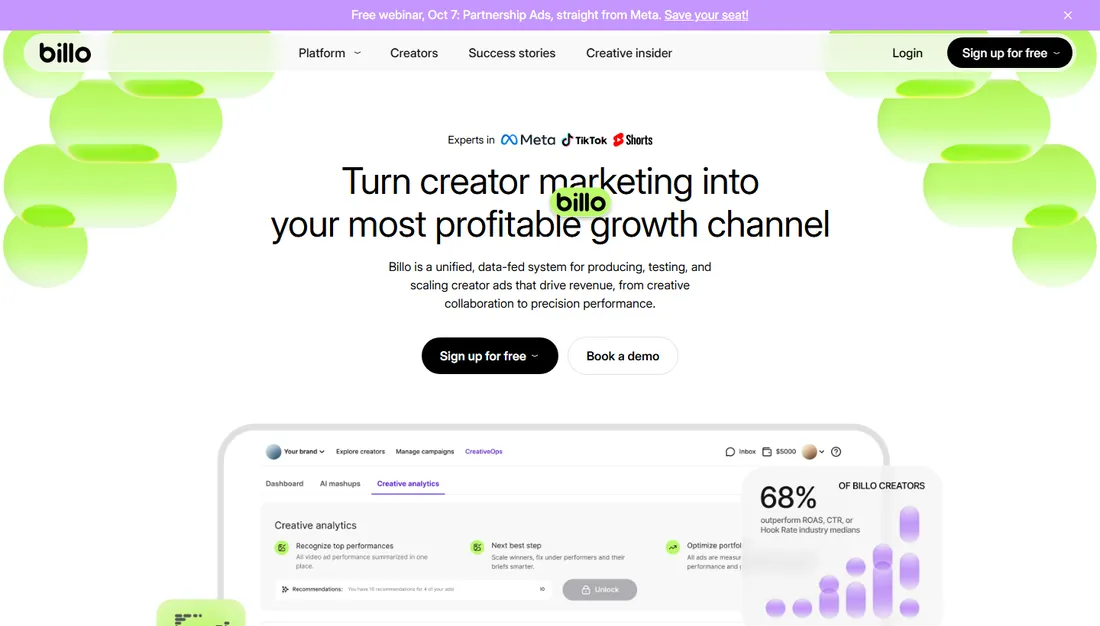
Billo is one of the oldest UGC video marketplaces, and it is built around physical-product brands, most of them in e-commerce. Brands submit a brief, set a budget, and creators apply to the campaigns that fit. The content tends toward unboxings, review-style clips, and lifestyle videos for products such as skincare, supplements, and kitchen gadgets.
Pay on Billo usually lands between $50 and $200 per video, depending on the usage rights a brand needs. The platform handles payments and revisions on your behalf, which matters a great deal when you are new and do not want to chase a client for money.
Verdict: Billo is a reliable, high-volume UGC platform for building a body of work, though it is competitive enough that newer creators sometimes underbid, so you should not expect premium rates until your reel is strong.
2- Ainfluencer
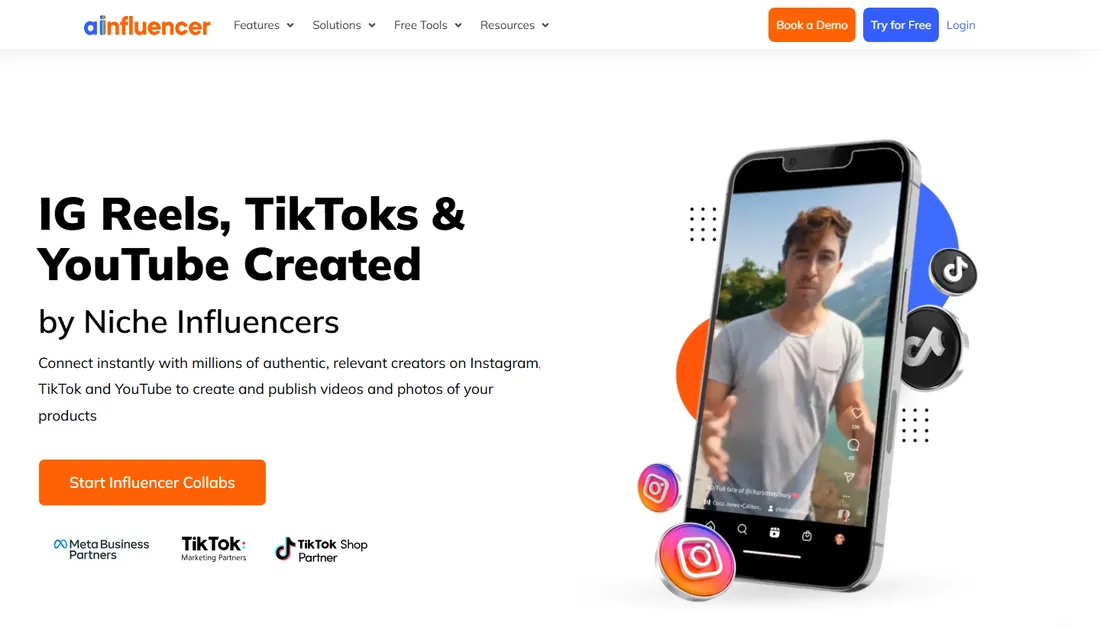
Ainfluencer is a free, do-it-yourself marketplace that connects creators with brands for Instagram, TikTok, and YouTube content, so it spans both UGC and influencer work. You set up a profile, browse open campaigns, and apply, with a pool of millions of creators on the other side of the platform.
The escrow system is the main draw. A brand funds the campaign up front, the money stays locked until your deliverable is approved, and it then lands in your wallet and pays out to PayPal or Stripe on the 1st and 15th of each month. There is no subscription, though Ainfluencer keeps a 20% commission from your payout on completed deals, with processing fees included.
Verdict: Ainfluencer is one of the few genuinely free UGC platforms for creators, and its escrow safety net makes it a low-risk place to take on your first paid campaigns. A detailed Ainfluencer review walks through the payout timeline.
3- JoinBrands
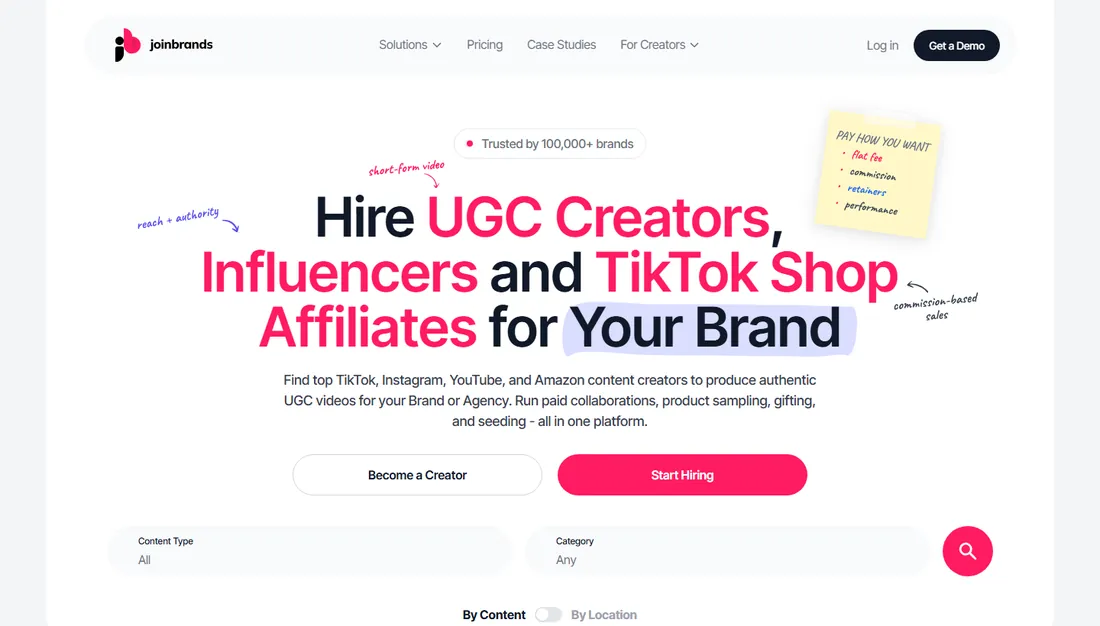
JoinBrands is a marketplace that blends UGC and micro-influencer campaigns, and it is known for a low barrier to entry and a deep pool of United States creators. Brands post campaigns, creators apply, and the platform runs the transaction from beginning to end.
Rates on JoinBrands skew low for pure UGC work, generally between $30 and $100 per video, with more upside on influencer posts that you publish to your own feed. For that reason, it is a sensible place to log your first paid jobs and get comfortable with the process.
Verdict: JoinBrands is the easiest on-ramp for creators who want to get paid to create content, so it suits beginners well, even though the budgets become less appealing once you are scaling past $200 per video.
4- Trend.io
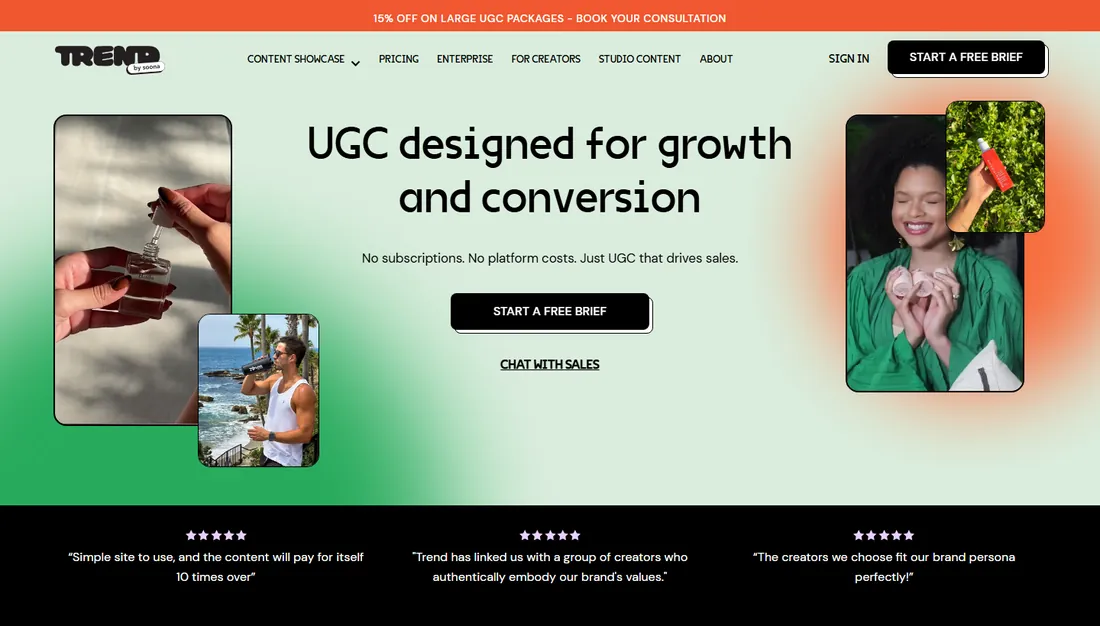
Trend.io takes the opposite approach to the open marketplaces, because both brands and creators are screened before anyone can apply to a campaign. The briefs are therefore cleaner and the budgets are larger, and you work with legitimate, vetted brands rather than sorting through unclear offers.
The trade-off is that acceptance takes time, and even after you are approved, a campaign in your exact niche is not always available. Patience is part of the arrangement with Trend.
Verdict: Trend.io is one of the better-paying UGC creator platforms once you are accepted, so it is worth applying early and continuing to build your portfolio while you wait for a decision.
5- Collabstr
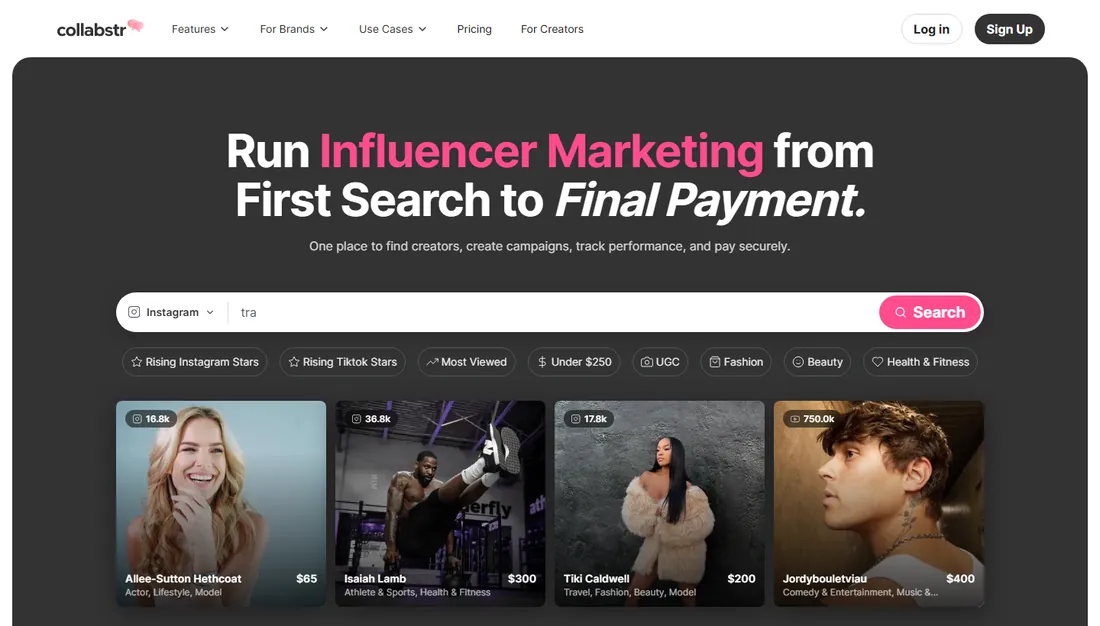
Collabstr reverses the usual model, because instead of applying to jobs, you build a profile with packages and a rate card, and brands request to book you when you are a fit. You approve or decline each request, so you are never locked into work that you do not want.
Since you name your own price, pricing discipline pays off on this platform. A creator with a defined niche and clean samples can command a higher rate here than they would win on a marketplace where creators bid one another down.
Verdict: Collabstr is a strong UGC marketplace for creators who want inbound bookings on their own terms, and it rewards those who already understand their worth rather than racing to the lowest bid.
6- Insense
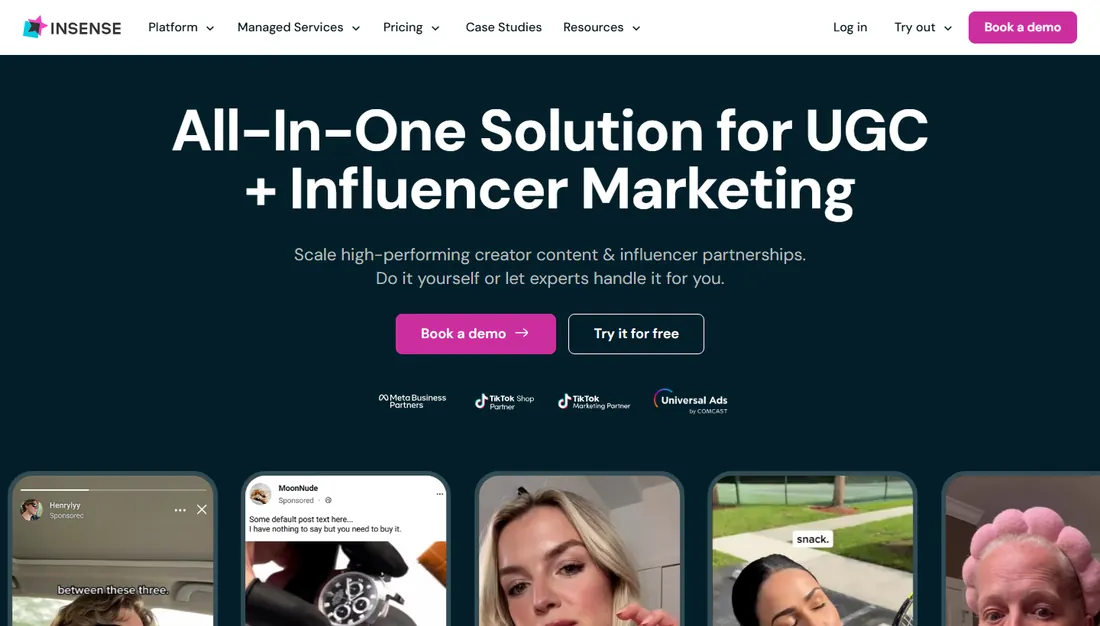
Insense specializes in UGC that brands run as paid social ads, so the content is conversion-focused rather than purely aesthetic. The platform also runs gifting collaborations, in which you receive a product in exchange for content. Its deliverables tend to be tighter and more performance-driven than a casual review would be.
Paid video work on Insense commonly falls between $50 and $300 per video, plus product, and ad-style briefs can repeat when a brand likes your angle and wants variations to test.
Verdict: Insense is the right UGC platform for creators who are comfortable producing ad creative, meaning hook-first videos with a clear call to action rather than slow, decorative b-roll.
7- Pitchlo
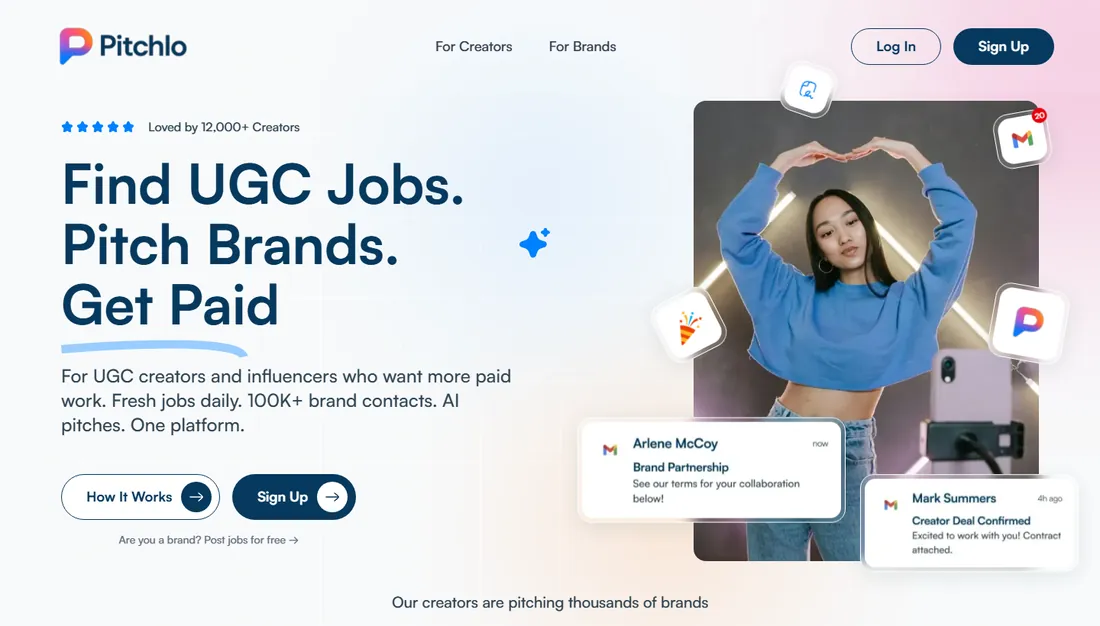
Pitchlo is a newer and smaller two-sided marketplace, and its entire premise is rate transparency. Every listing shows a fixed budget and clear deliverables before you apply, so you know exactly what you are competing for. Common software and app listings sit at a flat $150 per deliverable, and others fall in the $150 to $300 range.
The pool of live jobs is thinner than it is on the larger platforms, so it is best treated as a place to catch well-priced deals rather than a constant stream of volume.
Verdict: Pitchlo is worth a profile for any creator who is tired of guessing budgets, because it removes the cold-pitch grind and lists paid UGC brand deals with the rate attached.
Creator Databases and Networks Brands Search
Here you are found rather than applying. You build a profile, then brands and agencies come to you. It is slower to start, but the deals tend to pay more and recur.
8- #paid
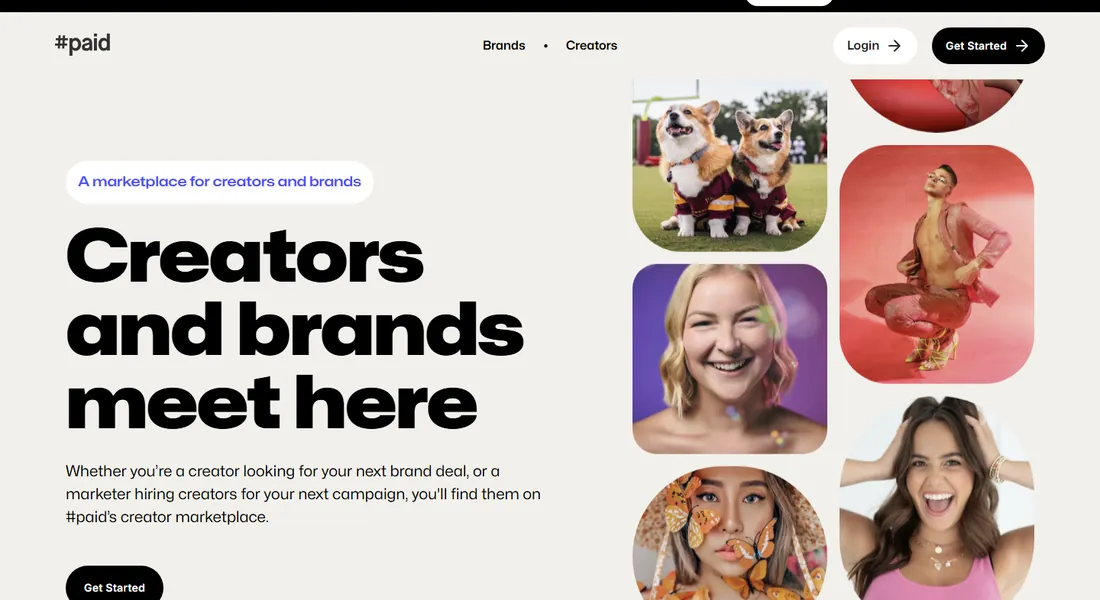
Hashtag Paid connects brands and creators for paid collaborations, and it has no minimum follower requirement, which keeps the door open to UGC-only creators. You submit a handraise for a campaign, the brand selects the creators who fit, and the work proceeds from there.
Creators consistently report fair rates and payment within 45 days, so it deserves a place among the best UGC platforms for creators who value quality over a high volume of gigs.
Verdict: #paid is a polished network with real budgets and no follower gate, so it is a good fit once you have a few samples that show range.
9- Aspire
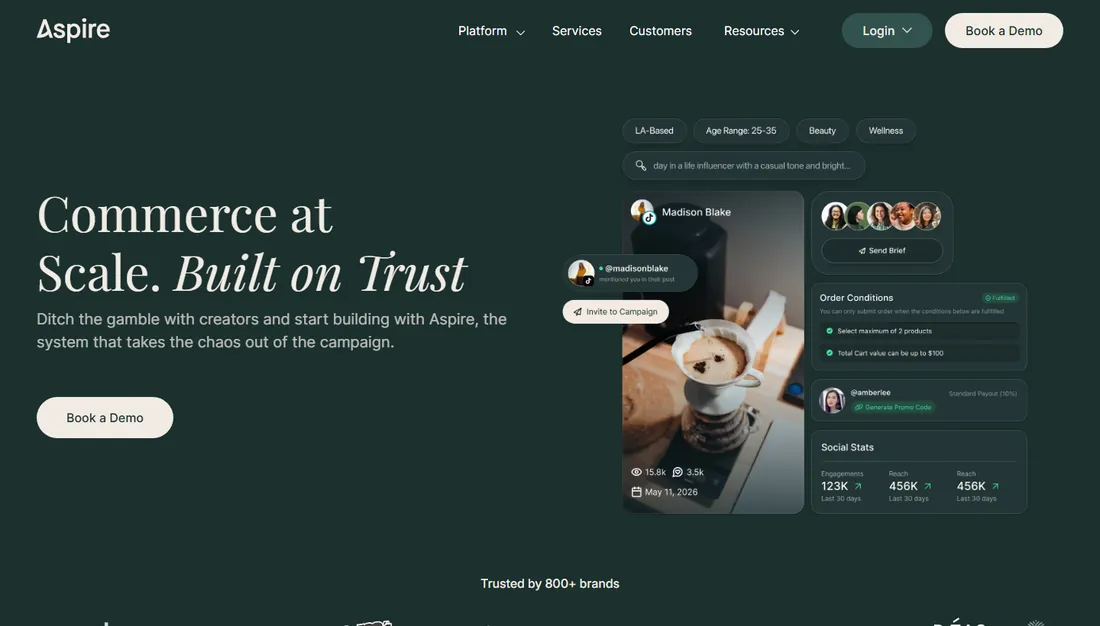
Aspire operates at the enterprise end of the market, because it powers influencer and UGC programs for larger brands with substantial marketing budgets. Creators join to be matched into those campaigns, and you should expect more structure, more detailed briefs, and larger payments than an entry-level marketplace offers.
Since the brands are established, both the competition and the expectations run higher, and polished, on-brief work is the price of admission.
Verdict: Aspire is worth pursuing once you have a track record, because it is where UGC creator platforms begin to intersect with serious brand budgets.
10- Platform-Native Marketplaces (TikTok and Meta)
TikTok and Meta both run built-in creator marketplaces. TikTok One, formerly the TikTok Creator Marketplace, and Meta’s Creator Marketplace let brands filter profiles and reach out directly, with your engagement and audience data available for them to assess.
The limitation is structural, because these tools favor creators with a genuine public following. A UGC-only creator who does not post to a large audience remains largely invisible, and you wait to be contacted rather than applying to open work.
Verdict: these native creator marketplaces are worth enabling if you already have reach, and you should pair them with a clear sense of how many followers on Instagram to get paid so your rate matches your numbers.
Own-Your-Pipeline Routes
No marketplace sits in the middle here. You attract or pitch brands yourself, keep more of the money, and carry more of the work. This is where creators go once they have proof and want control.
11- Fiverr and Upwork
Fiverr and Upwork are general freelance marketplaces rather than dedicated UGC platforms, yet many creators earn real money selling UGC as a productized service. You publish packages, set your own pricing, and brands hire you directly. When you niche down, for example to UGC for pet brands or wellness, you can build inbound demand without waiting for a listing to appear.
The fees are the trade-off, because Fiverr keeps 20% of each order and Upwork takes around 10%, and both algorithms reward gigs that gather reviews quickly, so early jobs often go out underpriced.
Verdict: Fiverr and Upwork are a durable way to find UGC jobs on autopilot once your gig ranks, and they work best after you have validated a niche and a repeatable package.
12- LinkedIn and Direct Brand Outreach
LinkedIn and direct outreach are not a platform in the usual sense, but the approach works, and it pays the most. Creators book deals worth $500 to $1,000 by pitching brand marketing managers directly on LinkedIn or by email, with no intermediary and no platform fee, so they keep the entire rate.
This route also demands the most effort, because response rates are low and consistency is what wins. A repeatable habit of ten to twenty targeted messages a week is what turns outreach into a pipeline, and you can warm it up by studying which brands that work with micro-influencers already buy creator content.
Verdict: direct outreach is the highest-margin path to paid UGC brand deals, and it is best suited to creators whose portfolio is strong enough to open a cold conversation.
How UGC Platforms Actually Pay
The pay model shapes your income more than the logo does. Sort every platform above into one of three payment structures and the map gets simple.
Pay-per-video marketplaces. Billo, JoinBrands, and Collabstr pay a fixed fee per deliverable. Predictable and beginner-safe, but the per-video ceiling is real unless you add usage rights or raw footage as paid add-ons.
Credit or subscription platforms. Trend and Insense run on brand subscriptions and campaign credits. Briefs are more structured and repeat more often, which is how you turn one good clip into an ongoing client.
Commission-free direct. Fiverr and Upwork take a cut, while pitching on LinkedIn takes none. Direct deals pay the most per project because there is no middle layer, but you absorb the sales and admin work yourself.
Charge for usage rights separately. A video a brand runs as a paid ad for six months is worth far more than the same clip posted once organically. Quoting one flat fee for both is the most common way creators leave money on the table.
Which UGC Platform Fits Your Stage
You do not need all twelve. Match the route to where you are right now, then add the next tier as your portfolio grows.
Just starting, no samples. Stack JoinBrands, Billo, and Pitchlo. The barrier is low, the deals are real, and Pitchlo shows you the rate before you write a word. Your only job is to ship three to five clean videos and turn them into a portfolio.
A few paid jobs in. Add Insense, Trend.io, and Collabstr. Apply to Trend early because acceptance is slow, run ad-style briefs on Insense, and set a real rate card on Collabstr so brands book you at your price.
Experienced with a reel. Layer in direct outreach on LinkedIn for the highest rates and zero fees, and pursue Aspire and #paid for larger brand budgets. Modeling your pitch on how micro-influencers get brand deals helps you punch above your follower count. This is where a creator stops hunting for scraps and starts choosing clients.
What Brands Check Before They Hire You
Marketplaces get you in the room. What closes the deal is the same on every platform, and it has almost nothing to do with follower count.
- A portfolio of three to five videos in the format you want to be hired for. Vertical, hook-first, well-lit. This matters more than any bio line.
- A media kit with your niches, past brands, deliverable options, and clear pricing, so a busy marketer can say yes without a back-and-forth.
- One link that holds all of it. Pasting five different URLs into an application looks amateur and buries your best work.
- A way to get paid between gigs so a slow month on one marketplace does not sink your income.
Nail those four and your acceptance rate climbs on every platform at once. It also pays to sharpen your personal branding so a brand remembers you after the first deal, and to treat UGC as one lane inside a wider plan to make money on TikTok and beyond.
Build Your Media Kit and Creator Storefront on brandID
Every platform above asks for the same things before it hires you: a portfolio, a media kit, clear rates, and a single link that holds them. Keeping those scattered across four separate logins is what makes applications slow and pitches weaker than they need to be. brandID is a free link-in-bio that becomes your creator home base, and it is built for exactly this situation.
A Media Kit and Portfolio Brands Can Click
Your media kit lives on the page itself, right next to your work. You publish your niches, your past brands, and your rates, and you showcase your best UGC videos and past collaborations in the built-in content gallery, so a brand that opens your link sees your portfolio and your terms without asking for a separate deck. That page becomes the one URL you paste into every UGC platform profile and every cold email.
Grab Affiliate Links in One Click
The affiliate marketplace is where the same page starts paying you between gigs. Through the built-in ShopID storefront you can browse more than 5 million products from over 2,000 brands, grab an affiliate link in a single click, and begin promoting it straight away, with no separate applications to fill out and no waiting for approval. Commissions reach as high as 75%, and you can group products into collections that match the content you already film.
More Ways to Earn on One Page
brandID adds several other income streams to the same link. You can rent out digital billboard space on your page to brands that want exposure to your audience, sell your own presets, LUTs, and guides as digital downloads, collect tips, offer paid subscriptions, and take bookings for your services. You can also capture the emails and phone numbers of the fans who visit and reach them again by email or text message. The effect is that the link which wins you UGC work keeps earning on the days you are not filming.
Your creator home base
Build a free page that holds your media kit, portfolio, rates, and a storefront of affiliate products, then send that one link to every brand and every UGC platform you join.
Bottom Line for UGC Creators
There is no shortage of apps promising brand deals. The best UGC platforms for creators are simply the ones where you can see real open jobs, real rates, and terms that pay out, then match that platform to your stage instead of signing up for all of them at once.
Start on JoinBrands, Billo, and Pitchlo, graduate to Trend, Insense, and Collabstr as your reel fills out, and reserve direct outreach for the premium work. Whatever you join, point every application at one link that carries your portfolio, media kit, and storefront, because that is what turns a browse into a booking.
FAQs
1- How much do UGC creators get paid per video?
Entry-level marketplace work runs about $30 to $100 per video on JoinBrands and $50 to $200 on Billo. Curated platforms and ad-focused briefs push higher, and direct brand deals booked through LinkedIn commonly reach $500 to $1,000. Usage rights, raw footage, and exclusivity all raise the number.
2- Do you need followers to get UGC jobs?
No. Most UGC platforms hire on the strength of your sample videos, not your audience size. Billo, JoinBrands, Trend, and #paid have no meaningful follower minimum. Platform-native marketplaces on TikTok and Meta are the exception, since those favor creators who already post to a public following.
3- Which UGC platform is best for beginners?
JoinBrands and Billo have the lowest barrier and the most volume, so they are the fastest way to book a first paid job. Pitchlo is worth adding because it lists the rate up front, which removes the guesswork that trips up new creators.
4- How do you land your first UGC deal with no experience?
Film three to five sample videos for products you already own, treating them like real ads with a hook, a demo, and a call to action. Put them on one link-in-bio page with your rates, then apply to open listings on JoinBrands, Billo, and Pitchlo. Samples, not follower count, get you hired.
5- Are UGC platforms better than pitching brands directly?
They serve different stages. Marketplaces hand you structure, escrow, and a steady stream of open jobs, which is priceless when you are starting. Direct outreach pays more and charges no fee, but it takes a portfolio and consistent effort. Most creators run both, using marketplaces for baseline income and outreach for premium deals.
6- What do you need before applying to UGC platforms?
A short portfolio, a media kit with your niches and pricing, and one link that holds both. A free brandID page covers all three and adds a storefront so you can earn between gigs. That single link is what you paste into every marketplace profile and pitch.
 Summarize this article with: