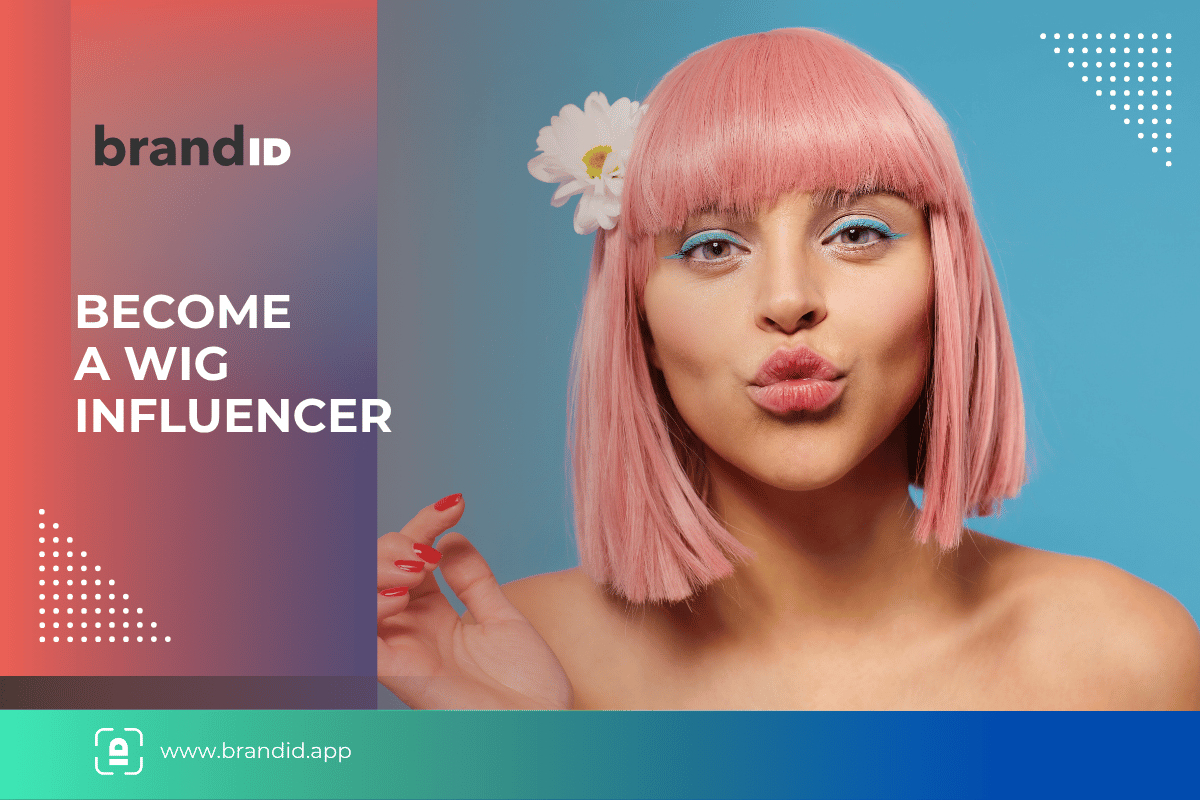
Wigs went from a quiet corner of the beauty world to one of the most watched categories on TikTok and YouTube, and the people driving that are not big-name celebrities. They are everyday creators filming install videos in their bathrooms. If you want to become a wig influencer, the good news is that this niche rewards skill and consistency far more than it rewards a huge head start, and the path to your first paid partnership is shorter than almost any other beauty lane.
A wig influencer films transformations, wear tests, styling tutorials, and honest reviews of lace fronts, closures, and units, then earns from affiliate commissions, brand deals, PR collaborations, and increasingly from selling directly through TikTok Shop. It follows the same path as becoming an influencer in any niche, with one shortcut most lanes do not have: the product sells itself on screen, and a believable before-and-after holds attention in a way most beauty content cannot.
Below is the realistic plan: what the job actually involves, the seven steps that move you from your first video to paid brand relationships, the real filming budget, every way the niche pays, and the beginner mistakes that quietly stall most new accounts.
Key Takeaways
- The wig niche rewards the install, not the follower count: a clean transformation video converts viewers into buyers even on a small account, which is why brands partner with micro creators here early.
- You can start for under $100: a recent smartphone, a ring light, a tripod, and a mannequin head cover nearly every video style the niche uses.
- Affiliate commissions come first, brand deals follow: most wig programs pay roughly 5 to 15 percent per sale, and PR units plus paid deals arrive once you have a consistent content library to show.
- TikTok Shop is the fastest payout route: wigs are one of the platform’s top-selling beauty categories, and the affiliate program lets you tag hair on video and earn commission without holding inventory.
- One link-in-bio storefront ties it together: every unit you feature can sit in a shoppable page that brand managers and buyers both land on from your bio.
What a Wig Influencer Actually Does
A wig influencer builds an audience around hair content and then monetizes that audience through the brands whose units they wear. The daily work is part filming, part styling, and part reviewing. You install and style wigs on camera, document how a unit holds up through a real day, and give viewers the honest verdict they cannot get from a product page.
The content splits into a handful of repeatable formats that the niche has settled on:
- Transformations: a bare mannequin or a protective style turned into a finished look in 30 to 60 seconds. This is the format that travels furthest.
- Install and styling tutorials: lace melting, plucking, bleaching knots, baby hairs, and heat styling, taught step by step.
- Wear tests and honest reviews: how a unit looks after a workout, a full day, or a wash, which builds the trust that converts to sales.
- Unboxings and first impressions: the moment a PR package arrives, filmed as a genuine reaction rather than an ad read.
This is adjacent to being a general creator, but the monetization is far more direct. Most lanes make you build an audience first and hope the money follows. The wig niche hands you a product people are already searching to buy.
Why Wigs Are One of Beauty’s Easiest Lanes to Monetize
Most beauty categories make you compete on personality and polish before a single dollar shows up. Wigs are different for three reasons, and understanding them shapes every decision below.
First, the product is high-consideration and high-price. A good human-hair unit runs anywhere from $150 to $600, so a single sale through your affiliate link pays more than dozens of clicks on a drugstore lipstick. That is a sharp contrast with lower-ticket beauty lanes, and it rewards the effort of picking a niche that actually pays rather than one that only looks fun.
Second, buyers research heavily before they commit, and they trust creators over catalogs. Nobody drops $300 on a lace front without watching someone wear it first. That search behavior sends steady traffic to review content for months, long after the video posts.
Third, wig brands need a constant stream of real footage and actively recruit creators of every size. You do not need a massive following to get noticed. Plenty of deals go to small accounts, which mirrors the wider pattern of how micro-influencers land brand deals across every category.
7 Steps to Become a Wig Influencer
Step 1: Choose Your Wig Lane and Your Audience
“Wig content” is too broad to grow fast. Pick one lane and own it. The common ones are glueless and beginner-friendly units, luxury human hair and raw hair, budget synthetic and affordable finds, protective styling and braided wigs, color and custom coloring, and medical or alopecia-focused hair. Each attracts a different buyer and a different set of brands.
Your lane decides who follows you and which companies will eventually pay you. A beginner glueless creator and a raw-hair luxury creator attract different sponsors and different price points. Choose the one that matches the hair you genuinely wear and can talk about for a year without running dry.
Step 2: Set Up a Filming Kit That Matches Your Budget
The niche looks expensive on screen and is cheap to start. Good light and a steady frame matter far more than an expensive camera. Here is the honest tiered budget.
| Tier | Total budget | What you get | When to upgrade |
|---|---|---|---|
| Starter | $0 to $100 | Recent smartphone, $25 ring light, $20 tripod, a mannequin head and stand ($25), a window with daylight | After your first few brand units arrive |
| Growth | $150 to $400 | Starter kit plus a larger LED panel, a clip-on mic, a second phone for overhead install shots, basic editing app subscription | Once you post 3 or more times a week and deals are steady |
| Studio | $600 and up | Mirrorless camera, softbox lighting, dedicated editing laptop, a clean styling backdrop | Only when brands request broadcast-quality footage |
Step 3: Film Your First Five Content Pillars
Before you chase a brand, build a small body of work that proves you can shoot the niche. Film five videos using wigs you already own, one in each core format: a transformation, an install tutorial, a wear test, an honest review, and a styling or restyling clip. These double as your portfolio when you start pitching.
Keep them short, vertical, and well lit, with the hair in frame from the first second. If you want to earn from paid footage for brands even before you grow an audience, the same clips feed naturally into creating paid content for hair brands as a UGC creator, where the footage is the product and followers are optional.
Step 4: Build a Link-in-Bio Storefront Brands Can See
Your bio link is where discovery turns into money. It should hold the units you feature, your review videos, your affiliate links, and a short line that tells brands you collaborate. A plain profile link wastes every viewer who wanted to buy the exact wig in your last video.
This is the backbone of the whole operation, so pick a flexible tool that turns one link into a shoppable page rather than a static list. Group your hair into collections, keep your current PR units pinned at the top, and make the whole thing load fast on mobile, since nearly all of your traffic will arrive from a phone.
Step 5: Join Wig Affiliate and TikTok Shop Programs
Affiliate income is the first reliable money in this niche because it does not need a brand to choose you. You choose the product, grab a link, and earn when someone buys. Wig and hair programs typically pay in the range of 5 to 15 percent per sale, and because units are expensive, those percentages add up quickly.
There are three layers worth joining early:
- Direct brand programs: most major wig companies run their own affiliate or ambassador tiers that you apply to on their site.
- TikTok Shop affiliate: wigs are one of the platform’s strongest beauty sellers, and tagging hair on a video lets you earn commission with no inventory. The mechanics mirror the wider process of becoming a TikTok Shop affiliate.
- Beauty affiliate networks: broader programs that cover hair tools, care products, and accessories you use in every video. It is worth scanning the wider list of beauty affiliate programs and the adjacent fashion affiliate programs for styling pieces.
Once the links exist, the work is promotion. Placing them where they get clicked, not buried, is its own small skill, and the basics of promoting affiliate links without sounding like an ad carry over directly.
Step 6: Pitch Wig Brands for PR Units and Paid Deals
Affiliate income proves you can sell. Brand partnerships are where the real money and the free hair come in. Wig companies send PR units to creators who already post consistently, so pitch only after you have your five pillars and a few weeks of regular posting.
Keep the pitch short: who you are in one line, your lane, a link to your storefront, one specific video idea for their product, and your rate if you have one. Send a handful a week to brands whose hair fits your lane. Smaller and newer wig companies say yes fastest, and they are exactly the brands that actively work with micro-influencers. If you are unsure whether you are big enough yet, the honest answer is that it depends less on size than you think, as the numbers behind how many followers you need before brands pay make clear.
Step 7: Post on a Schedule and Track What Converts
Consistency beats perfection in this niche. Three to five posts a week, with at least one transformation, keeps you in front of both the algorithm and the brands watching it. Post when your audience is actually online, which the data on the best times to post on TikTok can narrow down for you.
Then watch which videos drive clicks and sales, not just views. A quiet wear-test video that sends ten people to buy a $300 unit is worth more than a viral clip that sends none. Lean into the formats and the hair that convert, and the growth side takes care of itself as you learn what pulls new followers in.
How Wig Influencers Actually Make Money
The niche stacks several income streams, and the strongest accounts run most of them at once. Here is how they compare.
| Income stream | How it pays | When it starts |
|---|---|---|
| Affiliate commission | Roughly 5 to 15 percent per sale through your links | Day one, no following required |
| TikTok Shop | Commission on tagged units sold in-app | Once you meet the platform’s creator criteria |
| PR units and gifting | Free hair in exchange for content | After a few weeks of consistent posting |
| Paid brand deals | Flat fee per video or per campaign | Once you have a proven content library |
| Your own products | Full margin on wigs, tools, or digital guides you sell | When you have an audience that trusts your taste |
TikTok carries most of this niche, but the smartest creators repost to Instagram Reels and keep a YouTube channel for longer install tutorials, which rank in search for years. YouTube also opens the door to landing sponsorships on YouTube, and the broader habit of turning TikTok views into income applies across every platform you touch.
Mistakes That Stall Most New Wig Accounts
- Waiting to grow before monetizing. Affiliate links and TikTok Shop work on day one. Set them up before your first post, not after your first thousand followers.
- Reviewing everything instead of a lane. Jumping between budget synthetic and luxury raw hair confuses both the algorithm and the brands trying to place you. Pick one and go deep.
- Hiding the buy link. If a viewer loves a unit and cannot find where to get it in two taps, that sale is gone. Keep your storefront current and pinned.
- Only showing the glam, never the wear. The honest “here is how it looks after eight hours” footage is what builds the trust that converts, and it is the content brands value most.
- Treating it as content, not a business. A recognizable look, a consistent handle, and a clear personal brand are what let brands remember you between campaigns.
Turn Every Wig You Feature Into Commission
Here is the income line new wig creators miss most often. You already film real units on camera. If the exact hair, the tools, and the care products you use all sit behind one-click affiliate links on your page, every viewer who buys sends you a commission on top of anything a brand paid you.
The usual problem is that affiliate programs are a maze. You apply to each brand separately, wait days for approval, and often get rejected for a small follower count. This is where brandID and its ShopID marketplace change the math.
- 5 million+ products from 2,000+ brands already in the marketplace, searchable by niche, including beauty, hair tools, and accessories that fit wig content.
- One-click affiliate links. No separate applications and no approval wait. Pick a product, grab your link, and start earning the moment someone buys.
- No follower minimum. A brand-new creator gets the same access as one with 500K. ShopID looks at the product you want to promote, not your audience size.
- Commissions up to 65 percent on the highest-paying brands, with payout rates visible before you grab the link.
- A storefront on your brandID page, grouped into collections like “My everyday lace fronts” or “Styling tools I actually use,” that every bio visitor and every brand manager lands on.
The practical read: a wig creator earning on paid jobs can clear a second income stream on the same products, with the same effort, just by linking what they already film. Pairing it with a clear affiliate-ready bio turns your profile into a funnel instead of a dead end.
Bottom Line
Becoming a wig influencer is one of the shortest paths in the beauty world from first video to first payout, because the product sells itself on screen and brands recruit creators of every size. Pick one lane, film five strong pillars with hair you already own, set up a shoppable bio before you post, and turn on affiliate and TikTok Shop income from day one. Pitch brands once you are posting consistently, and let the units and the honest wear tests do the convincing.
The creators who win here are not the ones with the biggest followings. They are the ones whose install videos make a viewer think “I need that exact wig,” and who make it effortless to buy it. Build that, and the brand deals follow.
FAQs
How many followers do you need to become a wig influencer?
How much do wig influencers make?
What equipment do I need to start?
Which platform is best for wig content?
Do I need to buy wigs to get started?
How do I get wig brands to send me free hair?
 Summarize this article with: