
The Leap Review 2026: Thinkific's Bio Link Tool Limits, Hidden Costs & Best Alternatives
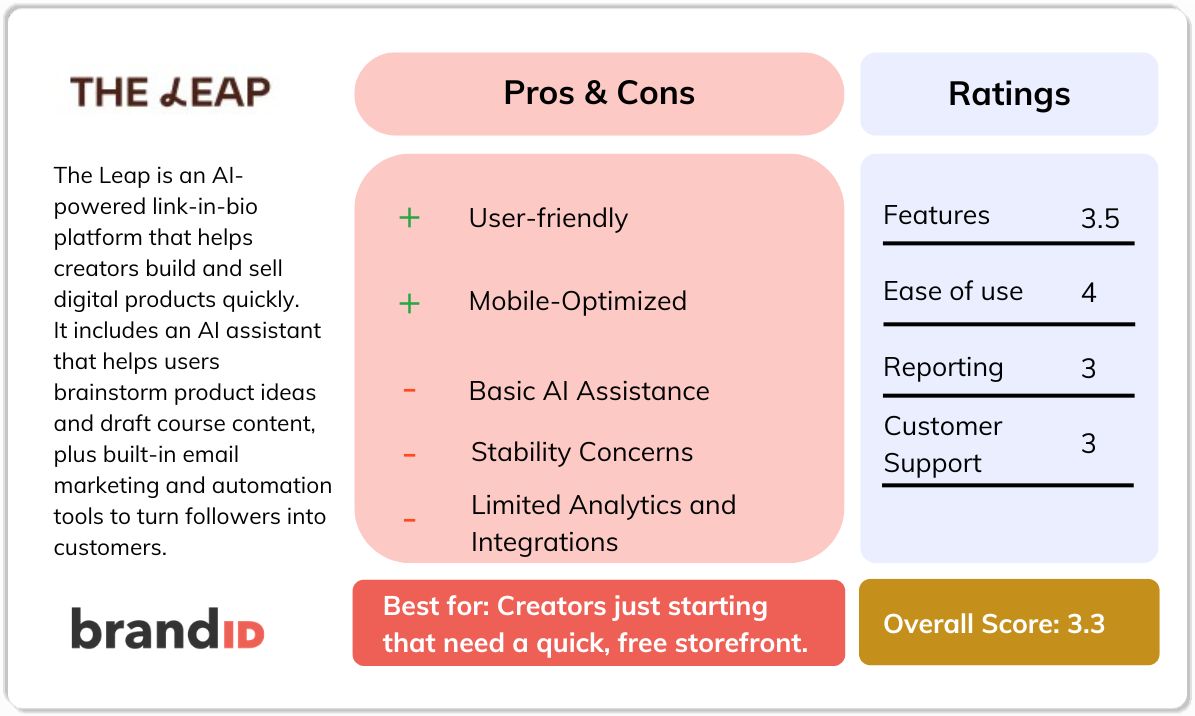
The Leap is an AI-powered link-in-bio platform that helps creators build and sell digital products quickly. It advertises itself as a “free, all-in-one creator store” where social-media influencers can create mini-courses, guides, and other mobile-first products using AI assistance.
However, despite positive buzz, The Leap has notable drawbacks that have led many creators to look elsewhere among the top link in bio tools available in 2026. In this review, we go deep into the latest information on The Leap, examine its features and pricing, and compare it to alternatives, particularly the rival platform brandID. Let's start.
What Is The Leap?
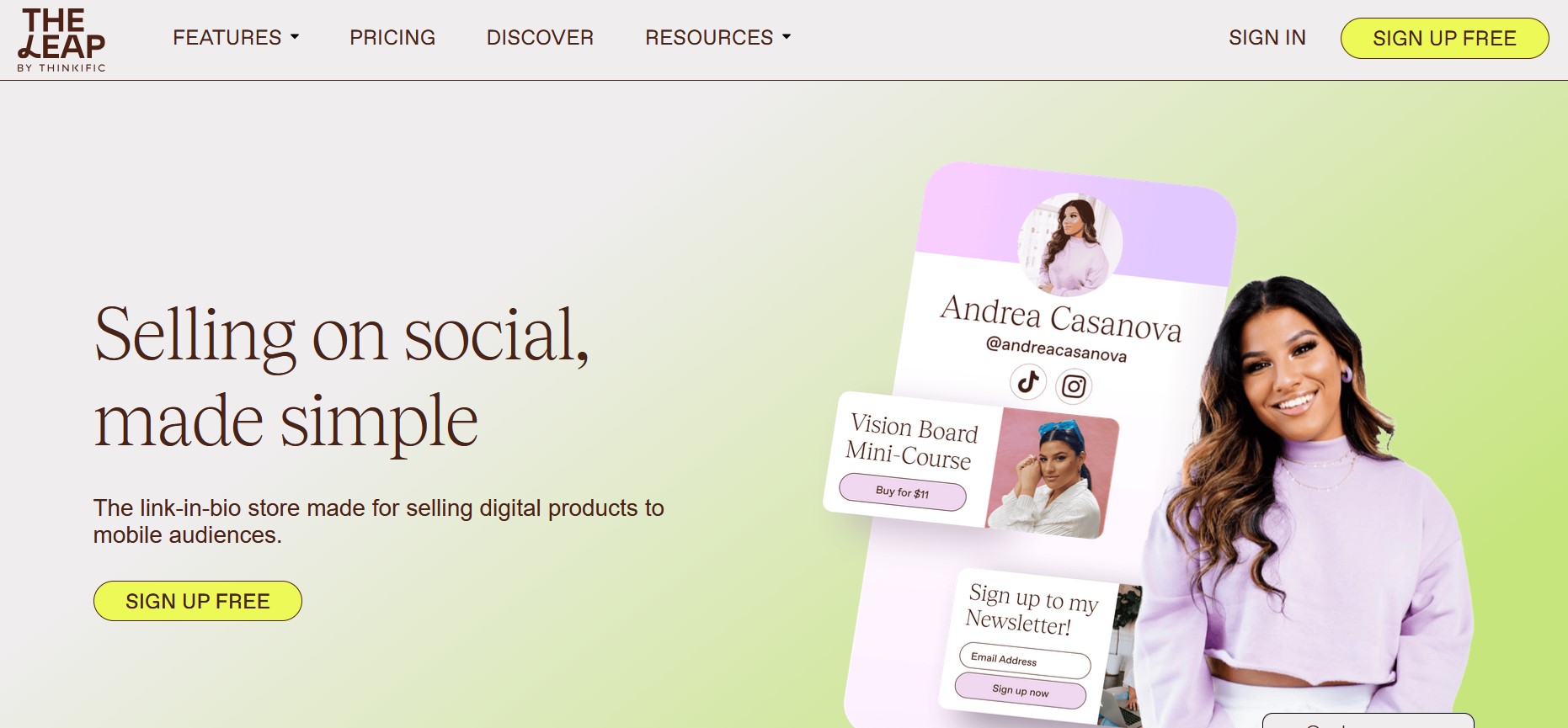
The Leap is a mobile-first link-in-bio platform created by Thinkific, designed for creators who want to sell digital products, such as courses, guides, and downloads, directly through social media.
Moreover, it includes an AI assistant that helps users brainstorm product ideas and draft course content, plus built-in email marketing and automation tools to turn followers into customers.
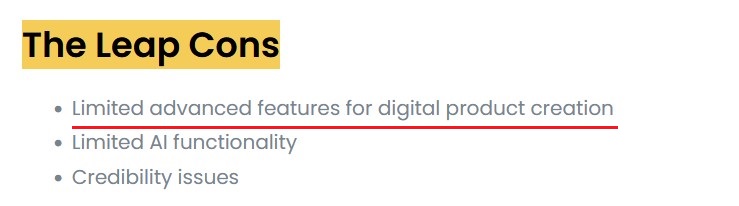
However, despite the strong marketing around AI and simplicity, many users say the platform feels limited in practice. The Leap reviews mention that the AI tools are basic and that advanced features for creating and managing digital products are lacking.
The Leap Overview
At a Glance
- The Leap launched on June 18, 2024.
- Thinkific, a Vancouver-based public company, developed The Leap as part of its creator tools ecosystem.
- The platform is designed for creators, influencers, and experts who want a simple mobile storefront to sell digital products.
- The Leap combines link-in-bio stores, landing pages, AI product creation, email marketing, and analytics in one platform.
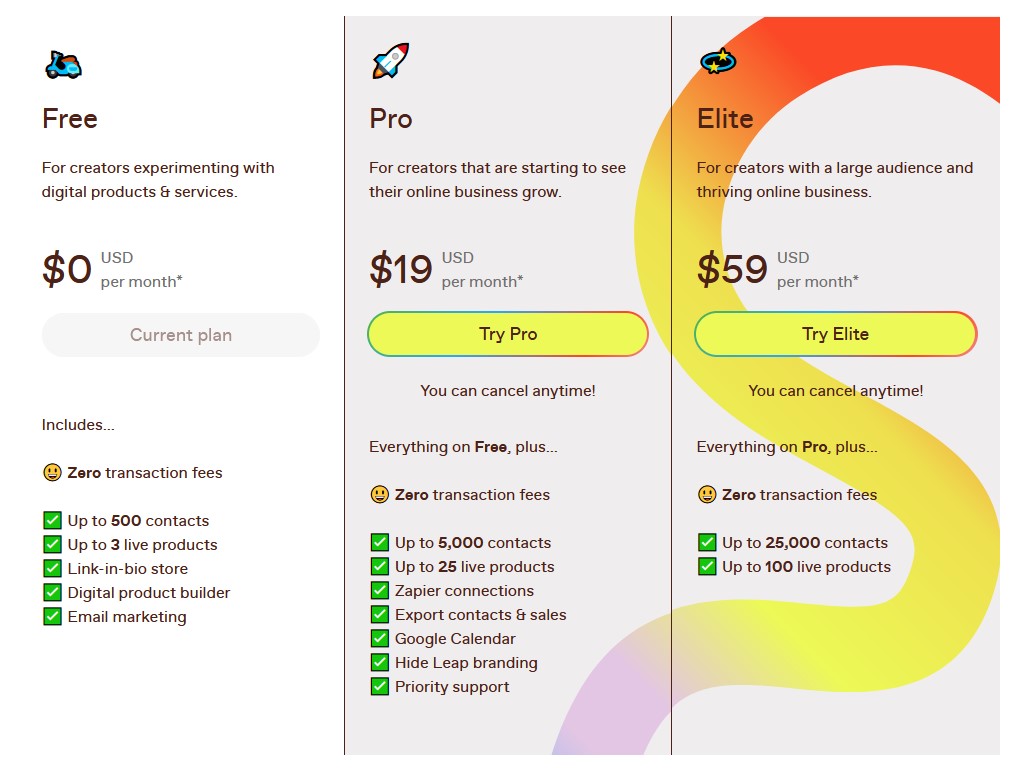
- The platform offers a free plan, as well as paid Pro ($19/month) and Elite ($59/month) tiers.
- Thinkific markets The Leap as an easy, all-in-one solution for selling on social media, though some users feel the execution falls short.
The Leap Features
Here are some of the core features The Leap has to offer:
AI-Powered Digital Product Builder
The Leap includes an AI assistant that can generate outlines or drafts for digital products like mini-courses, e-books, or challenges. Creators simply input a topic, and the AI suggests ideas and creates a basic product draft. However, this AI is reportedly quite basic – it provides a starting point, but serious editing and content work still should be done by the creators.
Link-in-Bio Storefront
At its core, The Leap offers a link-in-bio page that acts as a storefront. Creators get one main link that opens a mini-website listing all their products and offers. When a new product is created, The Leap automatically adds it to this storefront and generates a sales page for it.
Landing Pages
The Leap can build standalone landing pages separate from the main store. Creators can use these to promote specific products or collect emails.
Email Marketing
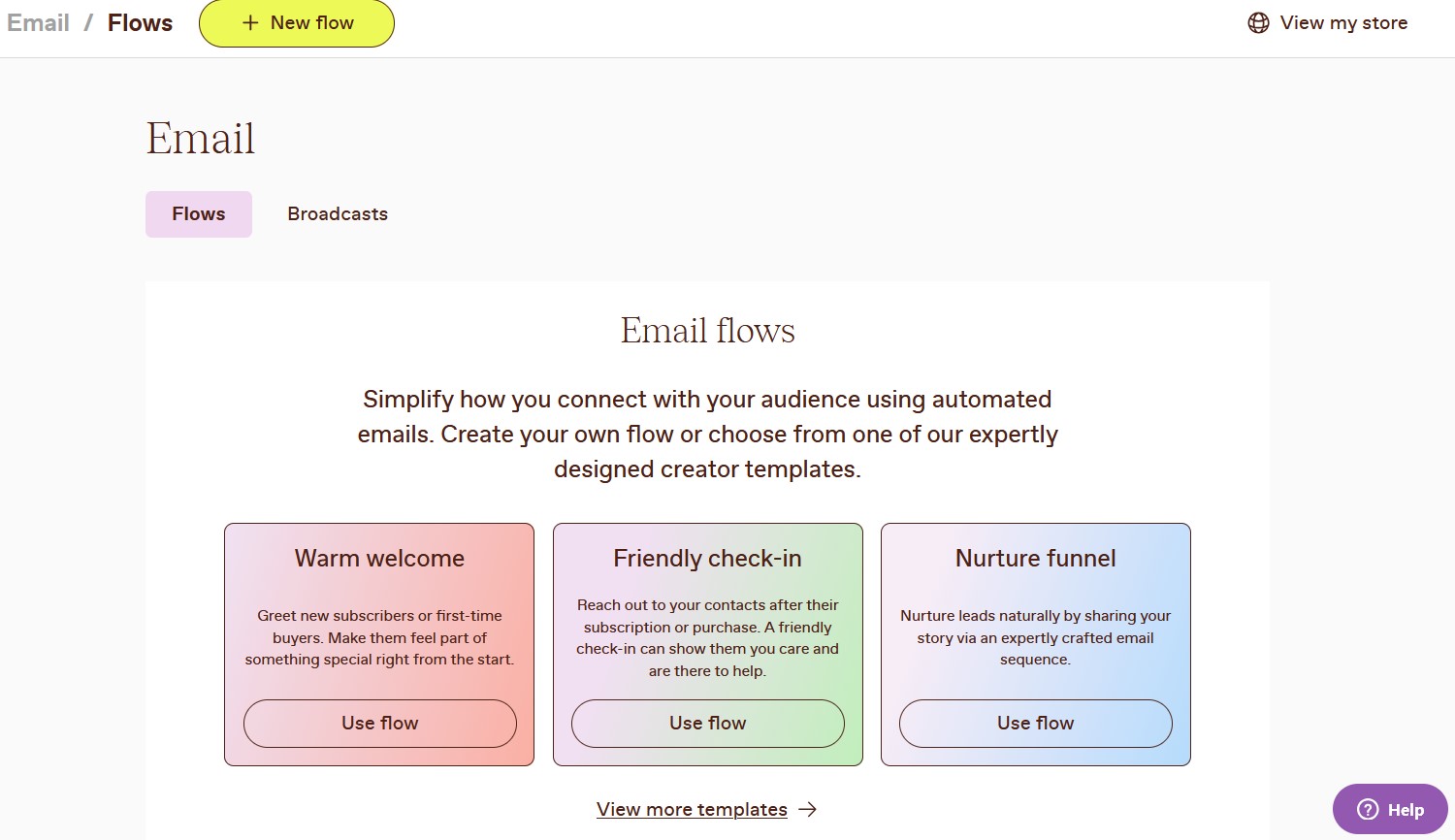
Every user automatically has access to email flows and broadcast emails. The platform provides pre-made email templates and automations, making it possible to nurture leads without external tools.
Mobile-Optimized
Every aspect of The Leap is designed for mobile audiences. The product builder, the storefront, and all pages are optimized for smartphones. The Leap's interface works on phones so creators can build and update on the go.
Analytics & Tracking
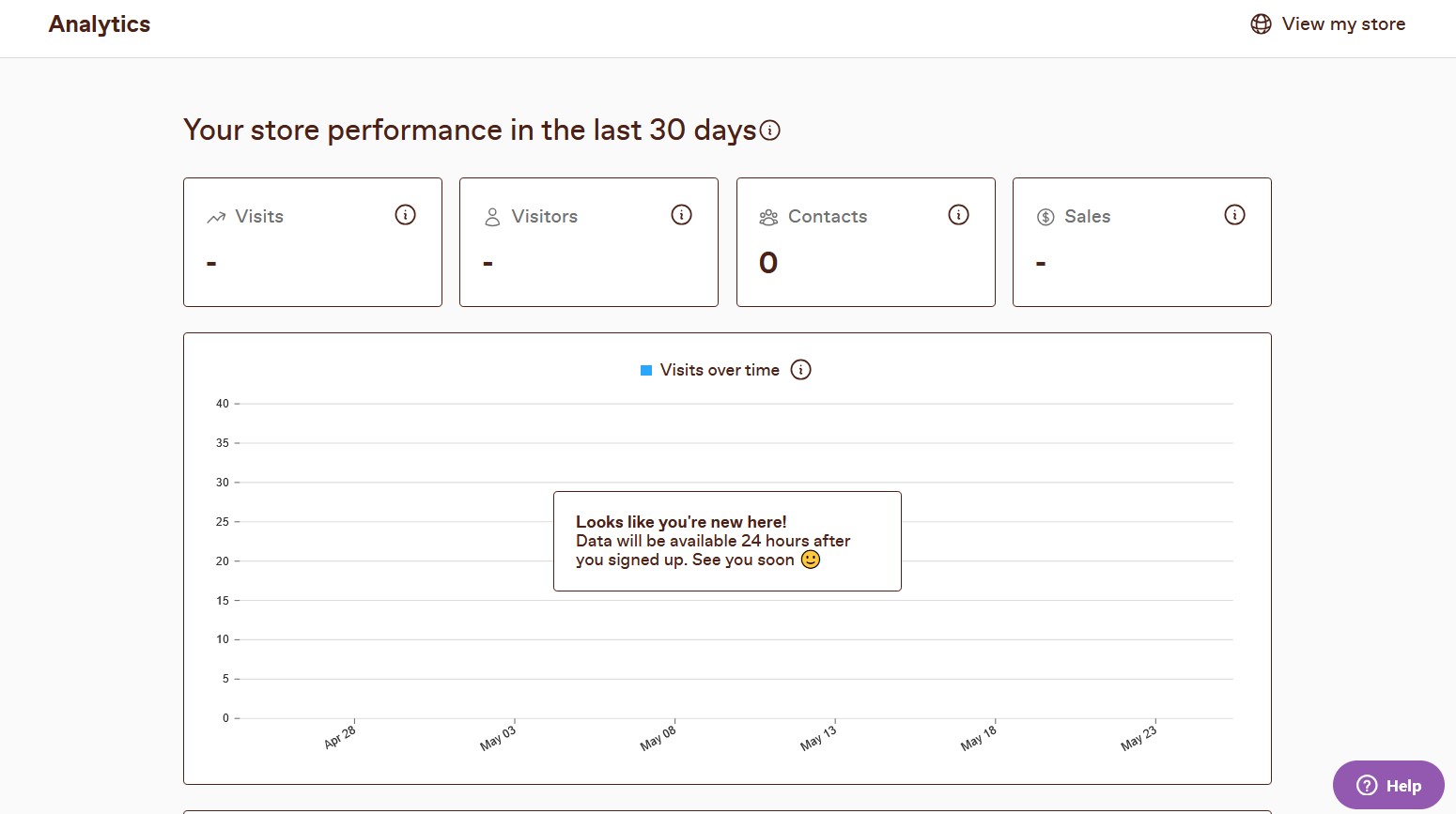
The Leap provides basic analytics so creators can track link clicks, page views, and sales conversions. For example, you can see which products generate interest or where visitors are coming from. While more limited than other full marketing suites, this built-in tracking is intended to help optimize sales strategies.
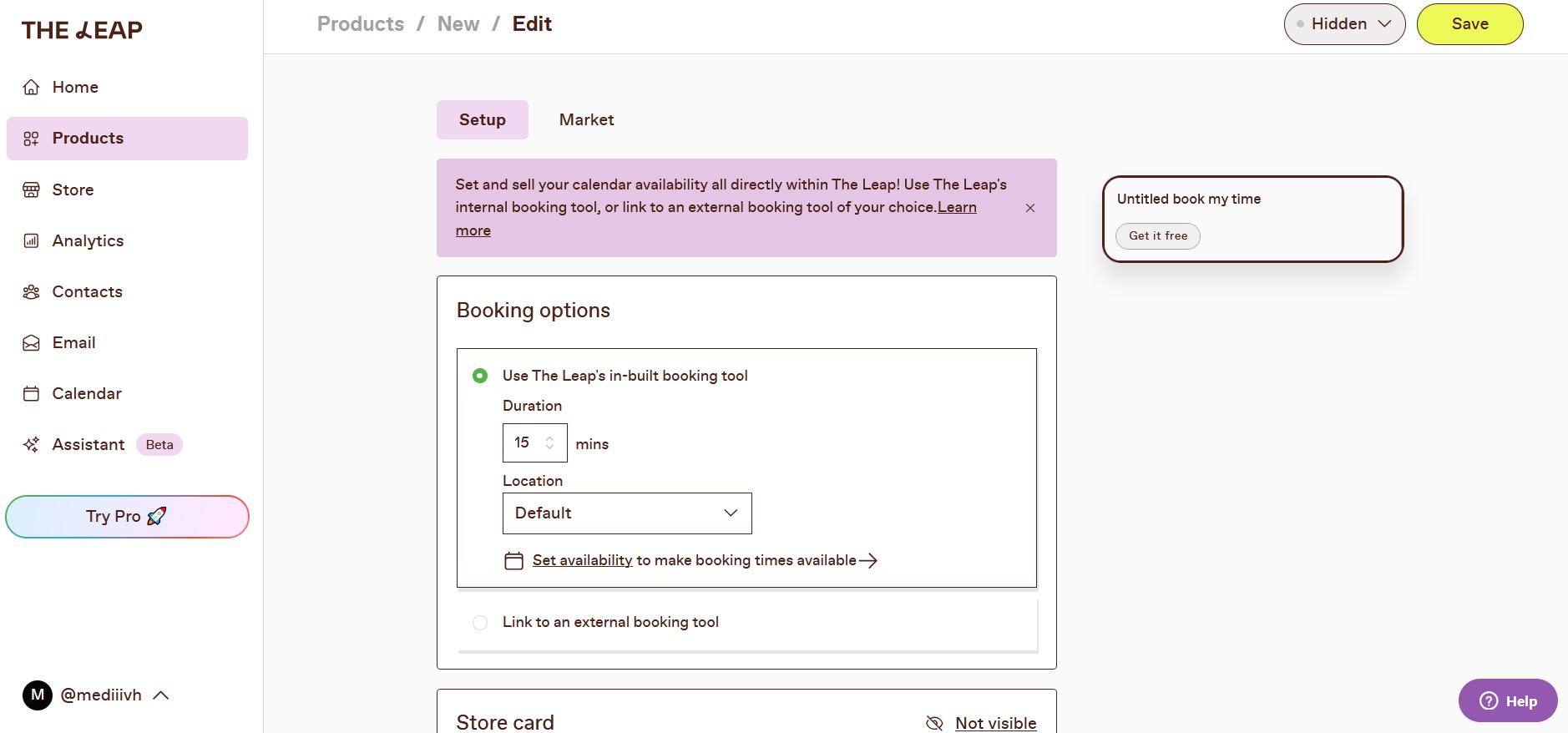
Calendar Booking
If you offer services or coaching calls, The Leap includes a calendar booking feature. This lets followers book appointments or sessions right from the storefront.
The Leap Pricing
The next part is the Leap's pricing model, which can be confusing at some points:
- Free Plan: Creators on the free plan get core features with some limitations. For example, the link-in-bio store, digital product builder, email marketing (up to 500 contacts), landing pages, and up to 3 live products. There is branding in the free plan that can't be removed.
- Pro Plan (Cost: $19 USD/mo): The Pro tier adds higher limits for some of the features. It includes everything in Free, plus support for up to 25 live products and 5,000 contacts. It unlocks features like Zapier integrations (for connecting to external apps) and data export for contacts and orders.
- Elite Plan (Cost: $59 USD/mo): This tier is aimed at established creators with big audiences. It allows up to 100 live products and 25,000 contacts. All Pro features are included. In this plan, The Leap's revenue comes purely from these subscription fees, not transaction commissions.
The Leap Reviews: Customers' Perspectives
Overall, public reviews of The Leap are surprisingly sparse. A deeper look at user feedback, including social media and tech blogs, reveals some recurring complaints about The Leap:
1. Limited Functionality
Some users say that despite its promises, The Leap feels more like a rudimentary MVP than a robust platform. The AI assistant, in particular, is described as a “just enough” content starter, but nothing you couldn't write yourself faster.
2. Technical Problems
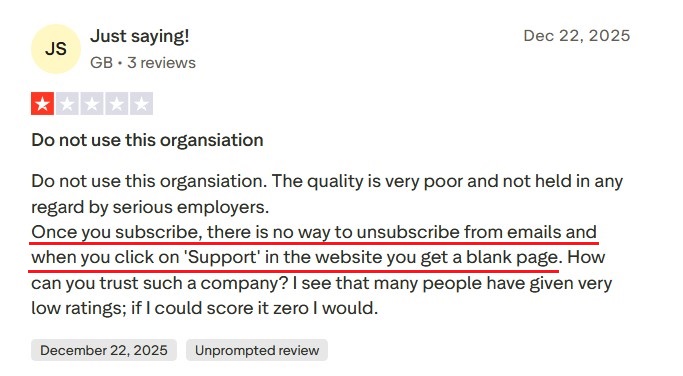
There have been many reviews about technical issues with the website and subscriptions to email. As Just Saying! In his The Leap review says there is no way to unsubscribe from their email.
3. Live Chat Problems
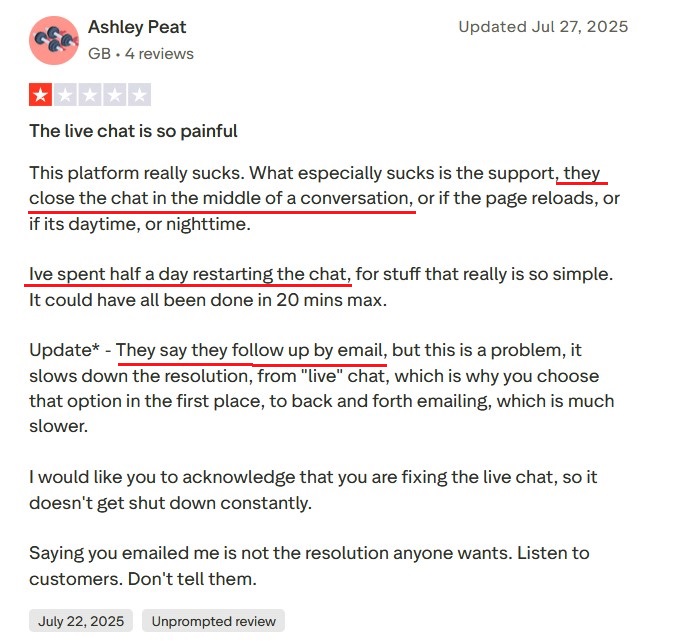
Another common theme is the problems occurring during live chats and solving them. As Ashley mentions here, they have moved to email, which is a step back from being responsive.
4. Difficulty With Creating Courses
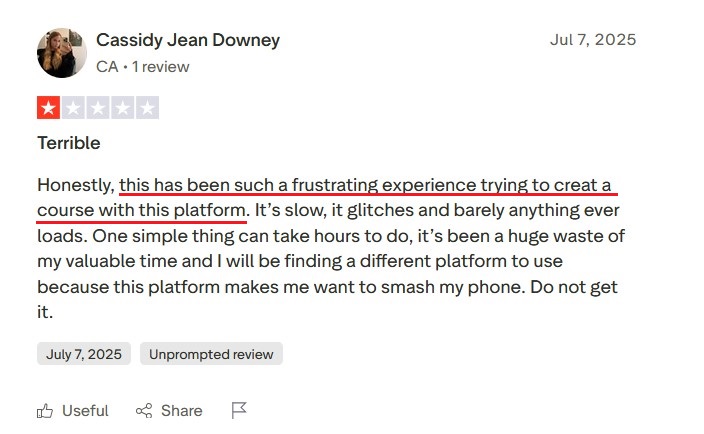
Cassidy Jean Downey tells us about her experience and frustration while using this platform. She couldn't create her course and is going to find a different platform for this matter.
The Leap seems best suited to creators just starting and who need a quick, free storefront. More advanced users, however, quickly encounter its limitations.
The Leap Pros and Cons
Below is a summary of The Leap's strengths and weaknesses:
Pros
- Free and All-Inclusive: The Leap's free plan includes almost every feature without charge.
- User-Friendly: The platform is easy to navigate. No coding or technical skill is needed, so even non-technical users can set up a store.
- Integrated Toolkit: By bundling email marketing, landing pages, and an AI product builder into one platform, The Leap offers a comprehensive toolkit under one roof.
- Mobile-Optimized: Every aspect of The Leap is mobile-friendly.
Cons
- Limited Customization: The design options are basic. You can't fully customize layouts or use custom domains, so stores can end up looking generic. Advanced style tweaks are largely impossible.
- Digital-Only: The Leap only sells digital products and services. If you want to sell physical merchandise or integrate other revenue streams, you're out of luck. There is no affiliate marketplace or built-in sponsorship feature.
- Basic AI Assistance: The AI content generation tool is limited. It helps generate ideas and simple outlines, but users report that it often creates generic copy that must be heavily edited.
- Stability Concerns: As a brand-new product, The Leap has growing pains. Some users mention occasional bugs and missing features like multi-currency or deep integrations.
- Limited Analytics and Integrations: While The Leap has basic analytics, it lacks advanced tracking. You can't integrate with Google Analytics or Facebook pixels directly. Also, aside from Zapier, there are a few app integrations.
brandID: Best The Leap Alternative
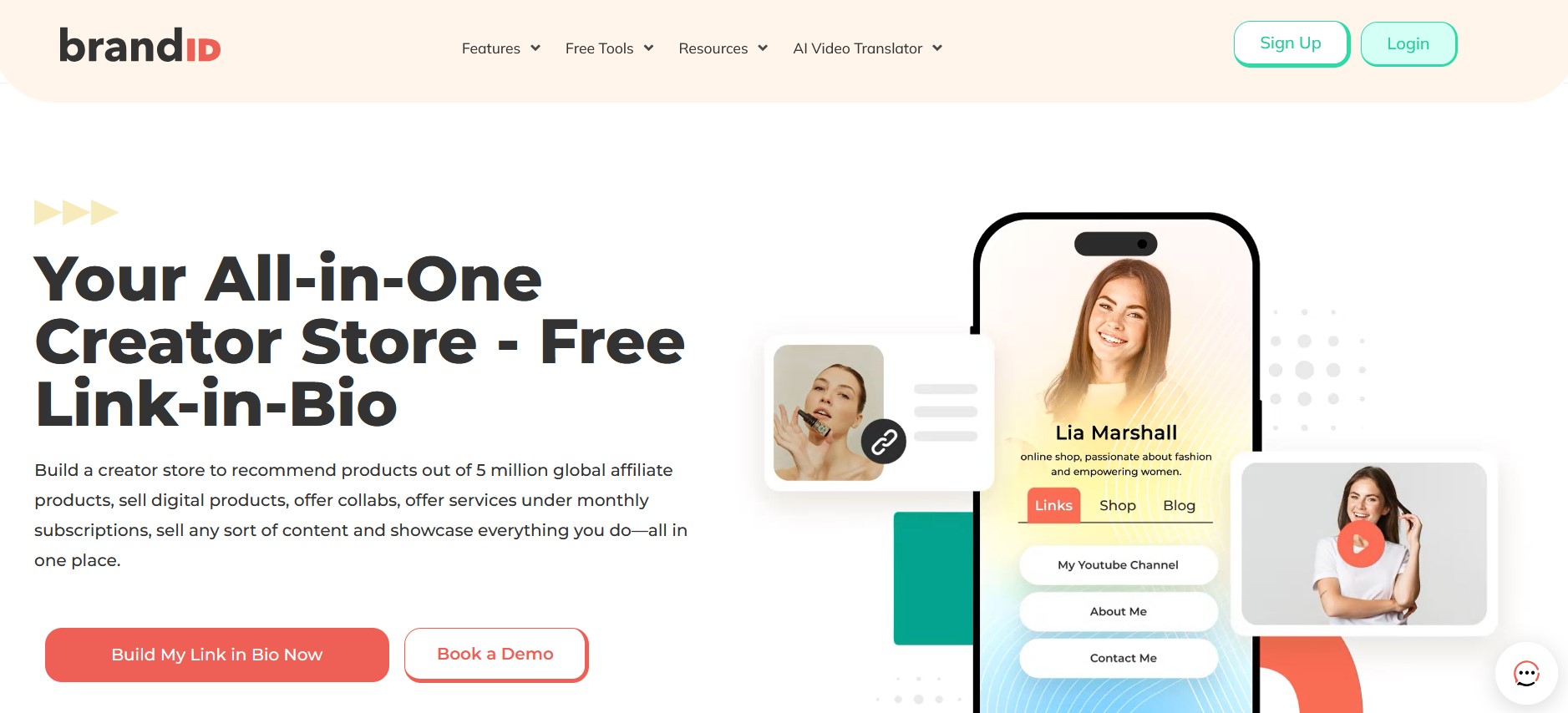
brandID is a free, all-in-one creator monetization platform that turns your bio link into a full storefront. Unlike The Leap, which focuses narrowly on selling digital products through an AI-assisted builder, brandID is built around the idea that creators today earn money in multiple ways. So it bundles a digital storefront, an affiliate marketplace, paid bookings, subscriptions, tips, email marketing, and even AI video translation into a single platform.
It's used by content creators, influencers, coaches, freelancers, and small business owners who want their bio link to function as a complete revenue hub instead of just a list of products.
Here's a feature-by-feature breakdown of what brandID offers, with notes on how it stacks up against The Leap.
brandID Features
Here's a feature-by-feature breakdown of what brandID offers, with notes on how it stacks up against The Leap.
1. Link-in-Bio Storefront
Both platforms give you a customizable bio page that lists your products and links in one place. The Leap caps you at 3 products on free, 25 on Pro ($19/month), and 100 on Elite ($59/month). brandID's Creator plan ($9/month) gives you unlimited products with no caps
2. Digital Product Sales
Both let you sell digital downloads, courses, and guides. The Leap leans heavily on its AI product builder to draft your products. brandID focuses on storefront flexibility, with no file-size limits, support for multiple file types per product, and unlimited inventory on paid plans.
3. Built-In Affiliate Marketplace
brandID gives you instant access to over 5 million products from 2,000+ brand partners, with commission rates up to 65% and more, with no minimum withdrawal. The Leap has no affiliate functionality and no marketplace, so creators who want passive income from promoting other products have to handle every affiliate program themselves.
4. Bookings and Scheduling
Both support paid bookings and scheduling. brandID's version (brandID bookme) syncs with Google, Outlook, and Apple Calendar, with automated reminders and payment collection at the time of booking.
5. Digital Billboard Rentals
brandID lets brands rent ad space directly on your bio page, with up to 3 slots across all plans. Brands submit rental offers and you approve or reject. The Leap has no equivalent, which means sponsorships have to be negotiated entirely outside the platform.
6. Email Marketing
Both include native email tools. The Leap caps free users at 500 contacts. brandID's Creator plan gives you 1,000 subscribers and email marketing, and Turbo Creator ($15/month) makes it unlimited.
7. AI Video Translator
brandID offers one of the best video translator tools, allowing you to dub your videos into 200+ languages while preserving your voice. Available on web, iOS, Android, and as a Chrome extension. For course creators selling globally, this replaces a multi-thousand-dollar localization process. The Leap doesn't offer video translation.
8. Tips, Subscriptions, and Memberships
brandID supports native tipping, subscriptions, and recurring memberships on all plans. The Leap focuses on one-time digital product sales and doesn't include native tipping or subscription tooling.
9. Payment Options
brandID accepts Stripe, PayPal, and brandID's own gateway. The Leap is Stripe-only, which is a hard wall for creators in regions where Stripe doesn't operate or who simply prefer PayPal.
10. Design and Customization
brandID offers hundreds of templates with a drag-and-drop editor, custom branding, advanced backgrounds (image, video, gradient), and full typography control on paid plans. The Leap's customization is mostly limited to pre-set themes with minimal styling options.
11. Promo Codes, QR Codes, and Giveaway Tools
All native to brandID across all plans. None of them are available in The Leap.
Many creators looking at The Leap would find brandID a better solution. brandID's clear messaging and rich feature list make it one of the best alternatives for The Leap. If The Leap's narrow focus or pricing model is a concern for you, brandID fills those gaps with a richer free offering.
12. Analytics and Integrations
Both offer dashboard analytics for views, clicks, and sales. brandID adds Google Analytics and Meta Pixel integration on paid plans, which The Leap doesn't support.
The Leap vs brandID
| Feature | The Leap | brandID |
|---|---|---|
| Starting Price | Free (With Limitations) | Free |
| Affiliate Program | Basic (No Marketplace) | Yes (all plans) |
| Link Management | Yes | Yes |
| Booking & Scheduling | Yes | Yes |
| AI Video Translator | No | Yes |
| Link in Bio Page | Yes | Yes |
| Secure Inbox | No | Yes |
| Collect Tips | No | Yes |
| Giveaways | No | Yes |
| Promo Codes and QR codes | No | Yes |
| Digital Billboard Rentals | No | Yes |
| CRM & Email marketing | Basic | Yes |
More The Leap Alternatives
Now is the time to mention other names as possible alternatives for The Leap:
1. Linktree
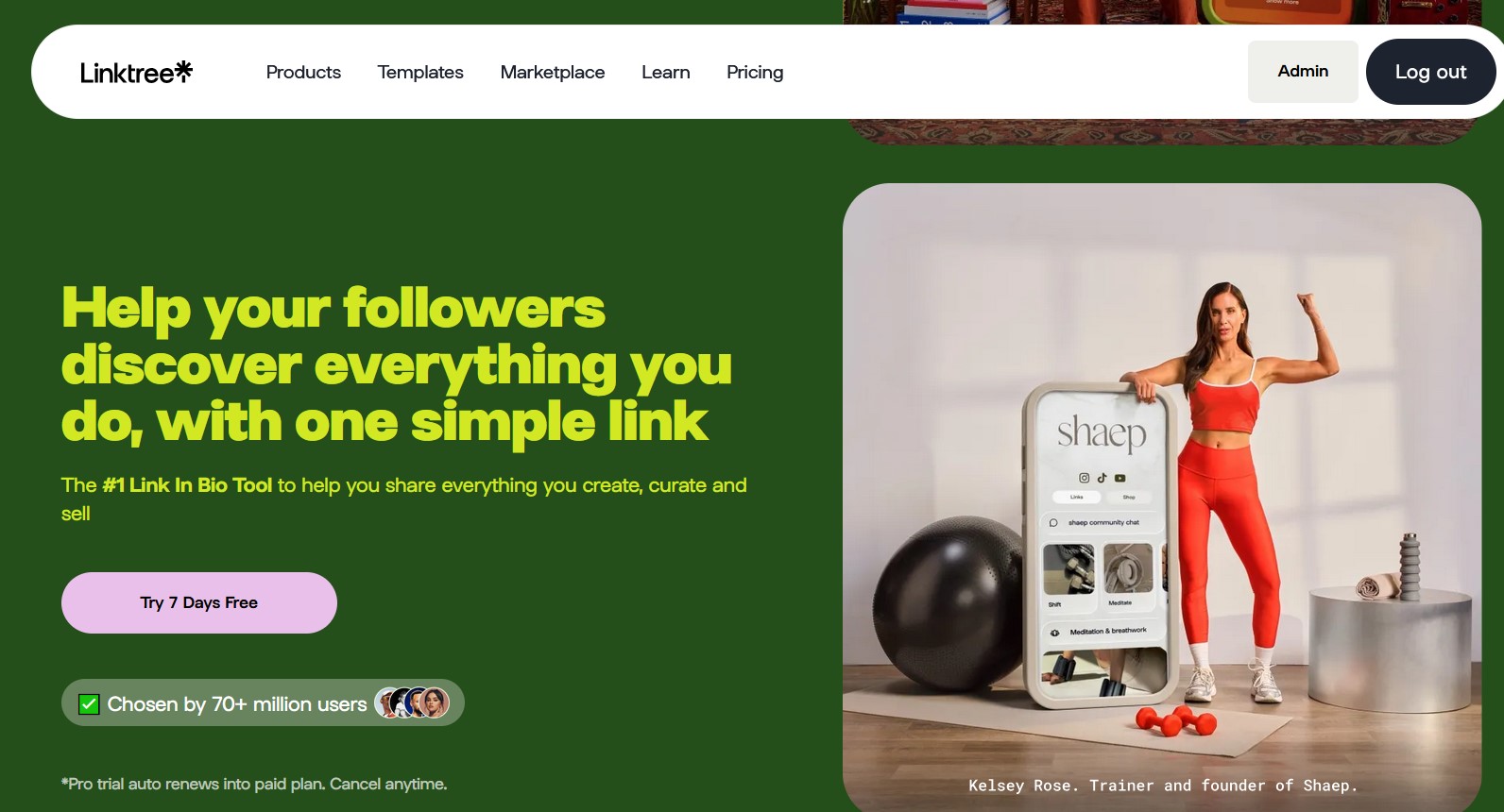
Linktree is extremely popular but has become controversial in recent years. Its basic plan is free, but it's quite limited: no email capture, forced Linktree branding, and a hefty 12% commerce fee on any sales.
Paid tiers now run $8-$35 per month. Even on the expensive Premium plan, creators had to pay Stripe fees and still couldn't sell products natively.
In practice, Linktree is mostly just a clickable menu, not a store. It charges fees and offers very little functionality beyond basic links. Creators looking to truly monetize often find its feature set frustratingly shallow. If you need to know more about this platform, our Linktree review will answer all your questions.
2. Stan Store
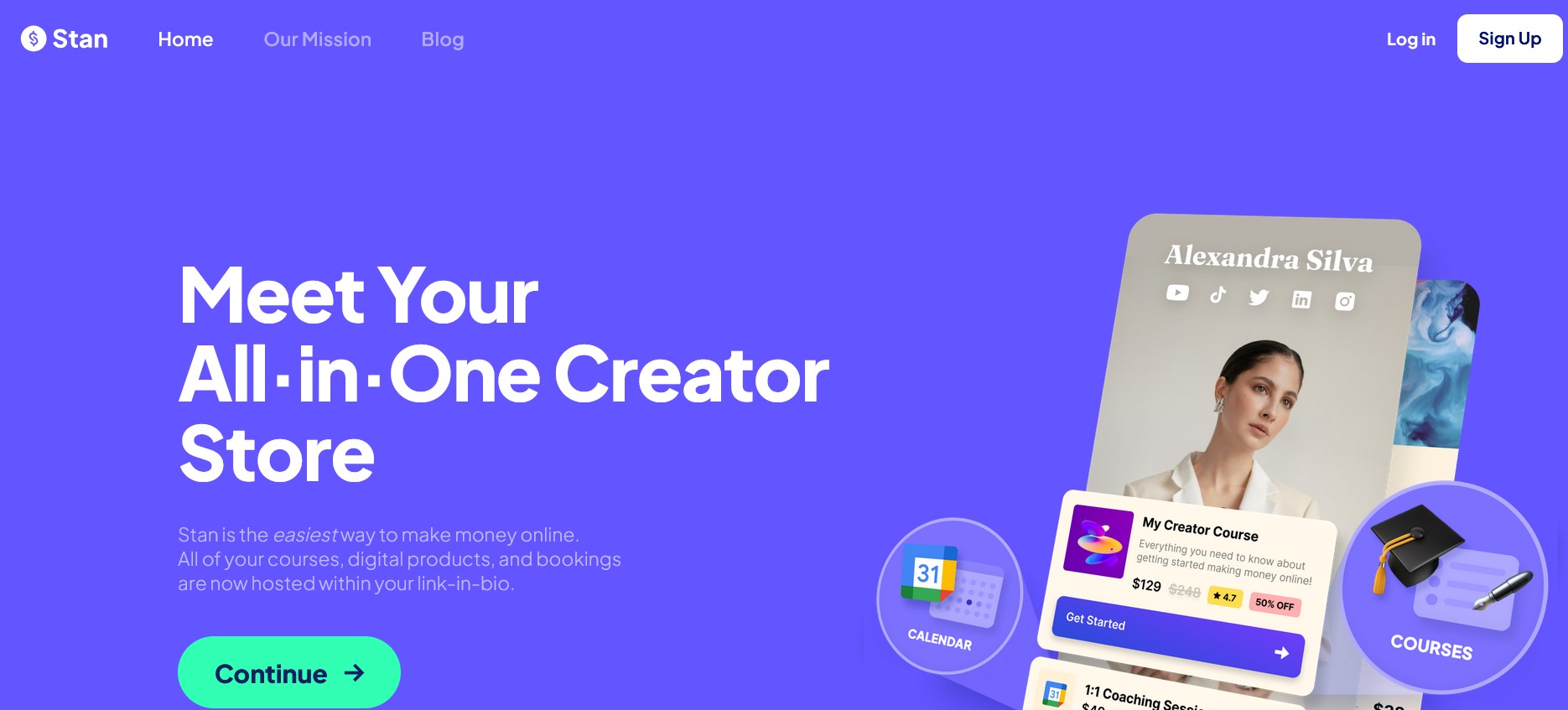
Stan is a newer platform aimed at creators. It allows digital product sales and has some e-commerce features, but comes with significant downsides. Detailed reviews reveal it locks you into rigid page templates and even hides your site on a Stan subdomain.
Key features like email automations are locked behind expensive upgrades, and email flows require a $99/month plan. Stan Store forces users to pay a premium for features that are standard elsewhere, and even then, it remains quite limited. Many creators complain that it quickly becomes expensive relative to what it offers.
Read our detailed Stan Store review if you're interested.
3. Milkshake
Milkshake is a mobile-first mini-website builder for Instagram profiles. It's super simple and very visual, but it's almost the opposite of a storefront. There is no checkout or sales system at all in Milkshake, as it only creates pretty link pages.
Its free plan is very restrictive on links, forcing users to upgrade to add more. Essentially, Milkshake is fine if you only need to share links and images on mobile, but it cannot process payments or build courses. Creators quickly outgrow it once they want to earn actual revenue.
Conclusion
The Leap by Thinkific is an ambitious attempt to give creators a one-stop, AI-assisted sales platform, but it falls short in execution. It offers some useful tools like link-in-bio store, landing pages, and email marketing for free, which is commendable. However, it is also very limited.
In contrast, alternative platforms may offer more flexibility. In particular, brandID stands out with a far wider feature set, like affiliate networks, subscriptions, affiliate products, and an unlimited free plan, with no hidden costs. It's a choice based on your needs and overall goals.
FAQs
Ready to try the all-in-one The Leap alternative?
Start with brandID — Free