
A cloaked affiliate link hides where a click actually goes. Affiliate decloaking flips that around: it strips off the mask and reveals the real destination behind a shortened or redirected link. That one action carries more weight than most marketers expect, because it sits at the center of two very different problems. One is about trust. The other is about fraud.
If you earn commissions online, your affiliate marketing links are your livelihood, and how you handle them shapes both your reputation and your payouts. Decloaking makes a lot more sense once you understand how affiliate marketing links actually work, so this guide builds on that foundation. From here, we cover what decloaking is, why links get cloaked, the free tools that expose them, and how brands run the same play in reverse to catch bad actors.
Key Takeaways
- Decloaking reveals the truth: it exposes the real destination URL hidden behind a cloaked or shortened affiliate link.
- Two sides exist: creators decloak for transparency, while brands decloak to expose fraud like ad hijacking and brand bidding.
- Free tools do the work: Redirect Path, Unshorten.It, and WhereGoes trace a redirect chain in seconds.
- Tracking is not decloaking: affiliate link tracking measures clicks, while decloaking exposes the endpoint.
- Fraud is expensive: affiliate schemes drain an estimated $3.4 billion in commissions a year, which is why brand-side decloaking is now standard.
| Aspect | Affiliate Cloaking | Affiliate Decloaking |
|---|---|---|
| Goal | Hide the destination URL | Reveal the destination URL |
| What the user sees | A short, branded, or disguised link | The full path and final landing page |
| Common use | Cleaner links, tracking, redirect control | Transparency, safety checks, fraud audits |
| Effect on trust | Can erode trust if discovered | Builds trust and credibility |
| Who relies on it | Affiliates and publishers | Creators, brands, and program managers |
Cloaking and affiliate decloaking are mirror images: one conceals the endpoint, the other exposes it.
What Is Affiliate Decloaking?
Affiliate decloaking is the process of uncovering the true destination URL behind a cloaked or shortened affiliate link. A cloaked link looks clean and simple, but it redirects through one or more hops before it lands. Decloaking follows that chain and shows exactly where the click ends up.
Put simply, if cloaking says “hide the address,” then affiliate link decloaking says “show me the address anyway.” The technique is used two ways. A creator might decloak their own links to prove they have nothing to hide. A brand might decloak a suspicious affiliate to check whether the link breaks the rules of the affiliate programs they run.
The term trips people up because both sides use the same word for opposite goals. Getting that distinction right is the whole point of this affiliate decloaking explained walkthrough, and it is where most competing guides stop short.
Why Affiliate Links Get Cloaked in the First Place
Before you decloak anything, it helps to know why the mask exists. Cloaking is not automatically shady. Most affiliate marketing links get cloaked for practical, legitimate reasons, and only a slice of them cross into fraud.
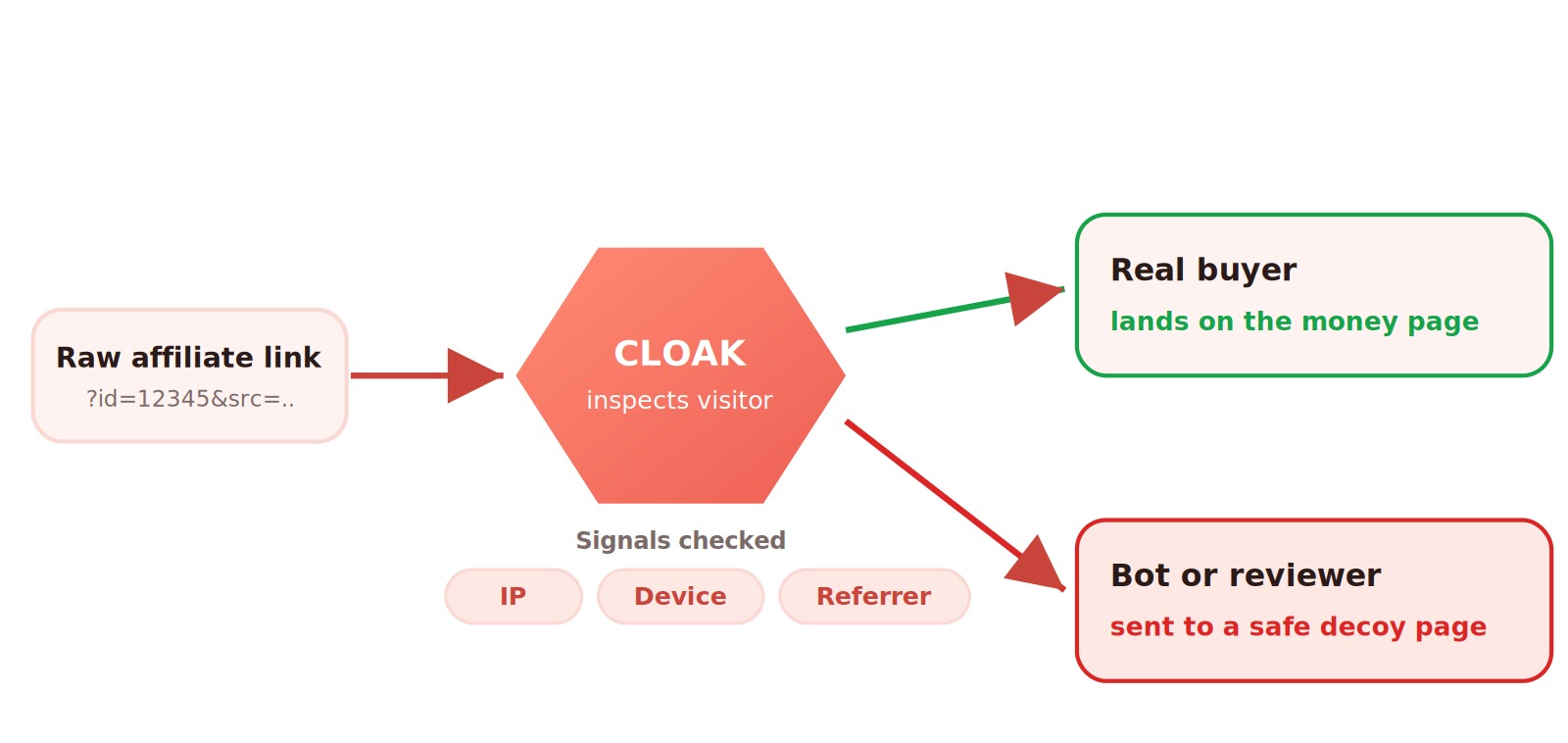
The same cloak serves two intents. Legitimate cloaking sends every visitor to one honest destination, while fraudulent cloaking splits traffic to hide the real page from reviewers.
Legitimate Reasons Affiliates Cloak Links
A raw affiliate URL is long, ugly, and stuffed with tracking parameters. Cloaking cleans it up and makes it usable. The honest motives are easy to spot:
- Readability: a short branded link is easier to share, remember, and type than a string of query parameters.
- Link management: when a program changes its URLs, one backend edit updates every cloaked link at once.
- Testing: affiliates swap the destination behind one cloaked link to A/B test two offers with the same promotion.
- Click-through rate: a descriptive link reads as trustworthy, so more people click.
When Cloaking Turns Into Fraud
The problem starts when cloaking is built to deceive. Sophisticated systems inspect every visitor and split traffic in real time. Real buyers get sent to the “money page,” while anyone who looks like a brand reviewer, an ad-verification bot, or a compliance checker is quietly rerouted to a clean “safe page.”
That split is what powers ad hijacking and brand bidding, where fraudsters run paid search ads on a brand’s own name and pocket commissions on customers the brand already owned. The scale is not small. Global ad fraud is projected to top $100 billion in 2026 according to Juniper Research, and affiliate schemes account for roughly $3.4 billion of direct commission losses inside that figure. Every dollar lost there is a payout for traffic the brand never needed to buy.
The Two Sides of Affiliate Decloaking
Here is the framework that makes the whole topic click. Affiliate decloaking splits cleanly into two intents. Which one you need depends entirely on whose links you are looking at: your own, or someone else’s.
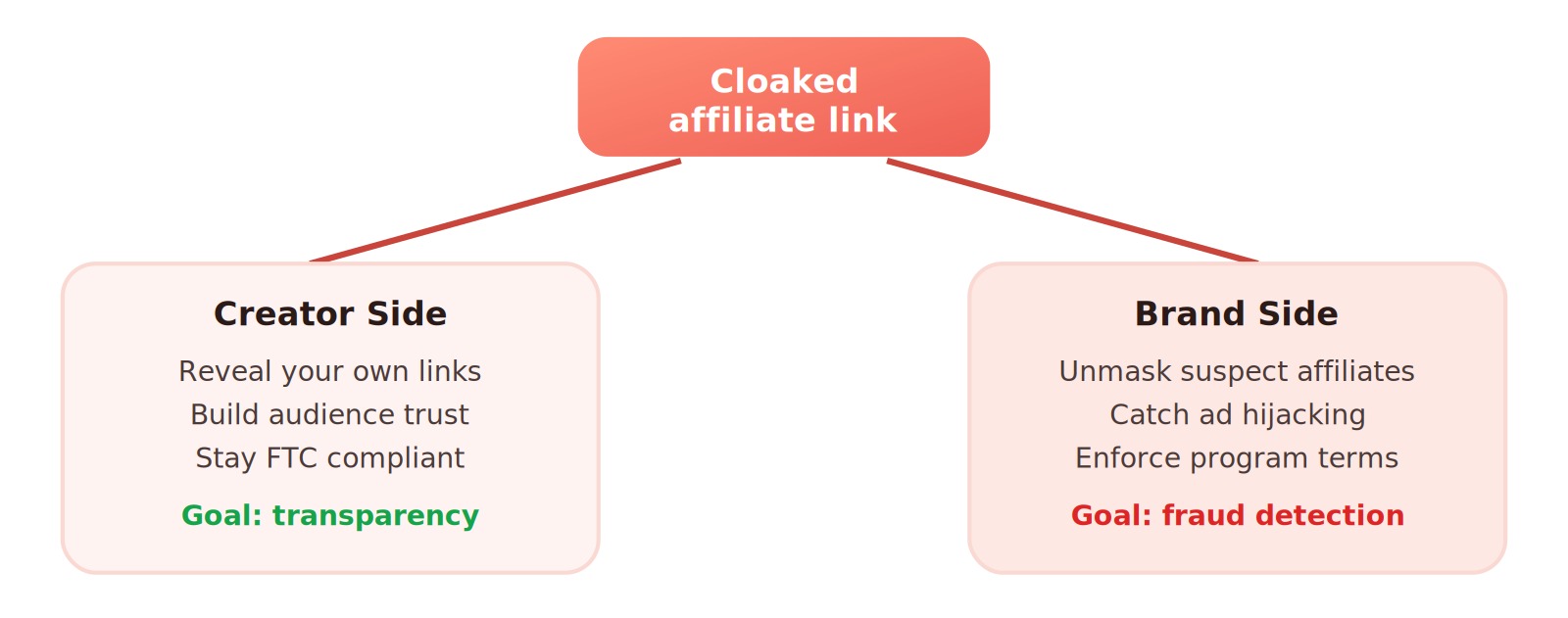
The same cloaked link, two opposite reasons to decloak it.
Creator-Side Decloaking (Transparency)
This is the version most bloggers and social creators mean. You decloak your own affiliate marketing links so your audience can see where a click leads before they take it. Honesty here is not just ethical, it converts. Readers who trust your links click more of them, and that trust compounds across every post you publish.
Brand-Side Decloaking (Fraud Detection)
This is the enforcement version. Advertisers and program managers decloak affiliate links they did not create, to confirm whether an affiliate is following the rules. It matters because 63% of affiliate marketers rank program fraud among their biggest challenges, ahead of algorithm changes. Brand-side decloaking turns a vague suspicion into documented evidence a program can act on.
How to Decloak Affiliate Links Step by Step
For everyday links, affiliate link decloaking takes under a minute. You click, watch the redirects, and read the final URL. Here is the exact sequence for checking a link safely.
Copy the Cloaked Link
Right-click the link and copy the address instead of clicking it directly. This lets you inspect it in a controlled tool rather than sending live traffic through an unknown redirect.
Run It Through a Redirect Checker
Paste the link into a decloaking tool or use a browser extension that logs redirects. The tool follows every hop and prints the chain, so you can see each intermediate URL, not just the endpoint.
Read the Full Redirect Chain
Look at the final landing page and every stop along the way. A single clean redirect to a known retailer is normal. A chain that bounces through several unfamiliar domains is a signal worth a closer look.
Verify the Destination Matches the Promise
Confirm the endpoint is the product or offer you expected. If you are auditing an affiliate, check that the live page respects your program terms. If you are a creator, make sure the link points exactly where your content says it does.
One caveat: basic checkers reveal legitimate cloaked links, but they cannot beat the sophisticated systems fraudsters use, which detect checker traffic and serve a safe page instead. That level of affiliate decloaking needs specialized monitoring built to imitate a real buyer.
Free Tools to Decloak Affiliate Links
You do not need paid software to reveal a standard cloaked link. These free tools handle affiliate link decloaking for the vast majority of everyday cases, from shortened social links to simple redirect chains. Each one is browser-based and takes seconds.
Redirect Path (Ayima)
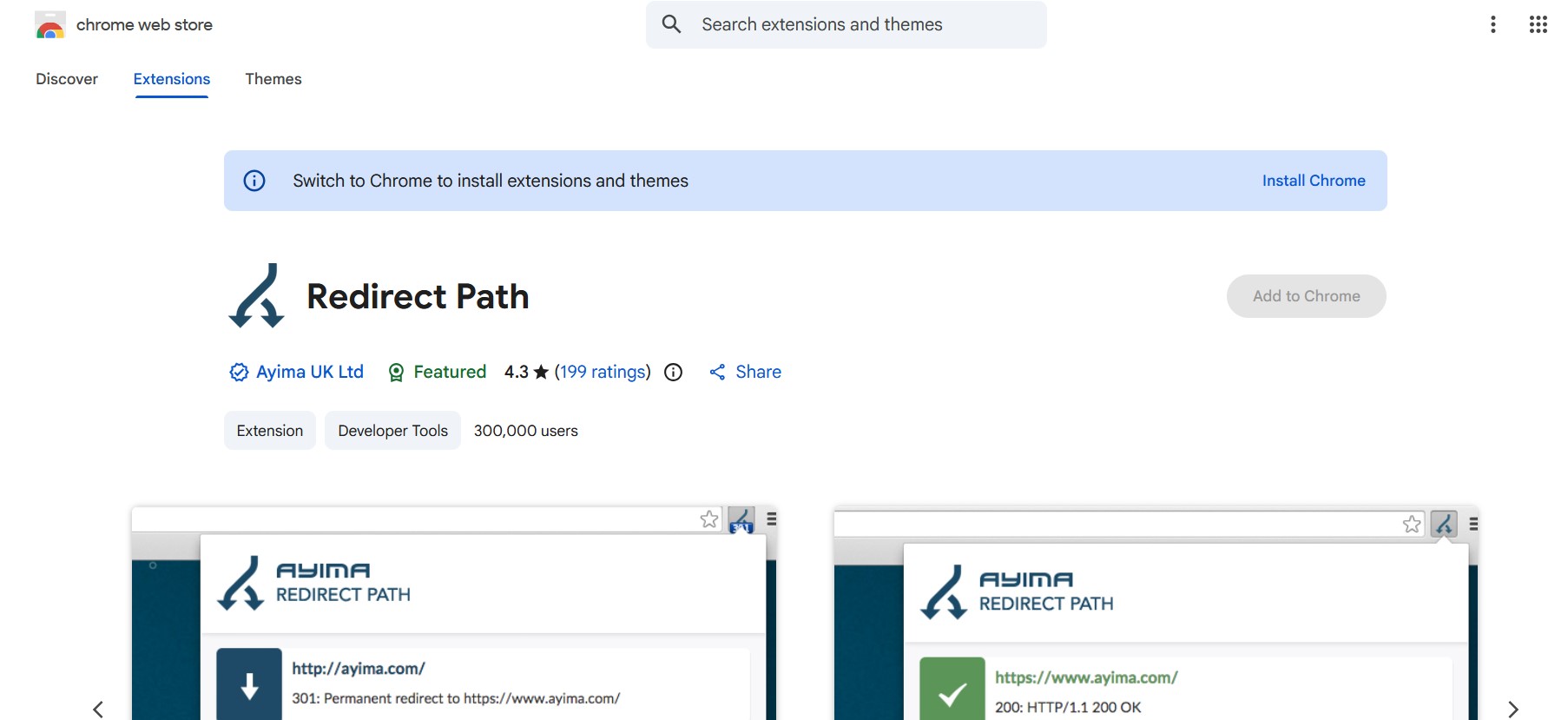
Redirect Path is a free Chrome extension that flags redirects and HTTP status codes for any page you visit. It sits in your toolbar and lights up whenever a link bounces through a chain, making it a fast first check for affiliate link decloaking on the pages you browse.
Best For: creators who want passive, always-on redirect alerts while browsing.
Redirect Path Features: live redirect and header display, 301/302 detection, one-click chain view.
- Free and lightweight
- Works automatically in the background
- One-click redirect chain view
- Chrome only
- Will not defeat cloaking built to hide from checkers
Recommendation: install it as your default browser companion for quick redirect visibility.
Unshorten.It
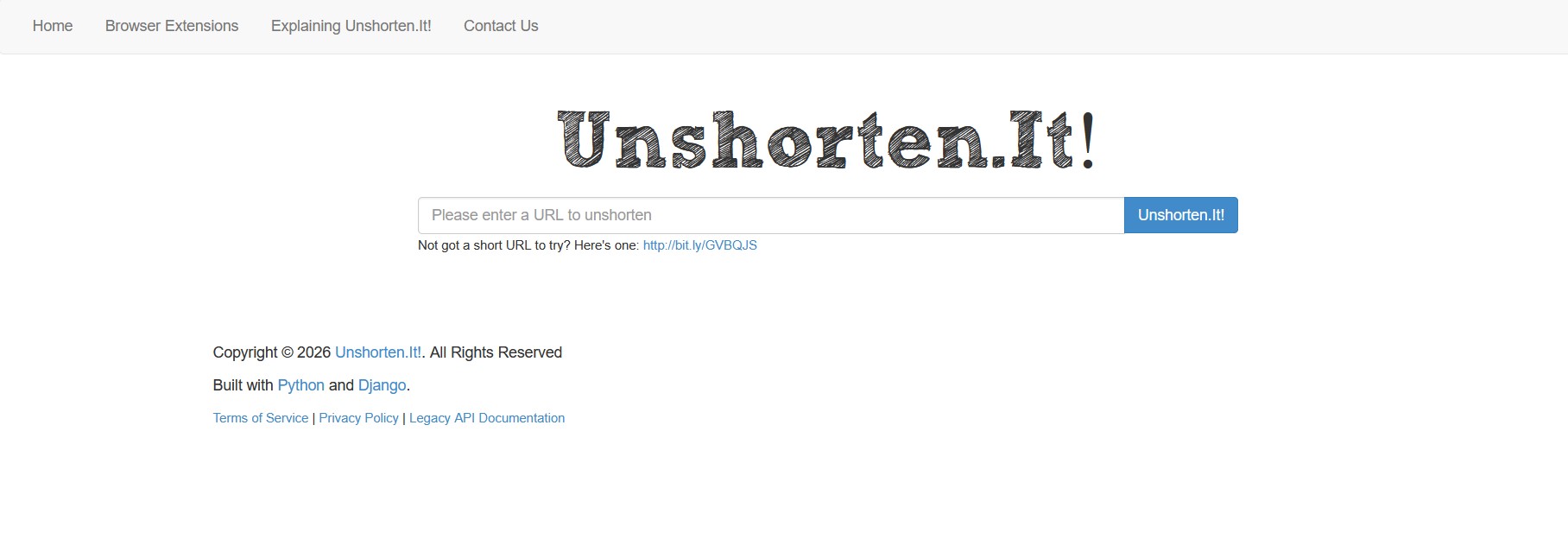
Unshorten.It is a web tool that expands any shortened or cloaked URL and reveals its final destination before you click. It adds a safety layer by screening the endpoint, which is useful when you are checking an unfamiliar affiliate link you did not create.
Best For: anyone checking a suspicious short link for safety and its true endpoint.
Unshorten.It Features: destination preview, redirect trace, basic reputation and screenshot checks.
- No install, works on any browser
- Adds a safety and reputation screen
- Previews the destination before you click
- Manual paste, one link at a time
- Limited on advanced cloaking setups
Recommendation: use it when a link looks off and you want the destination plus a quick safety read.
WhereGoes
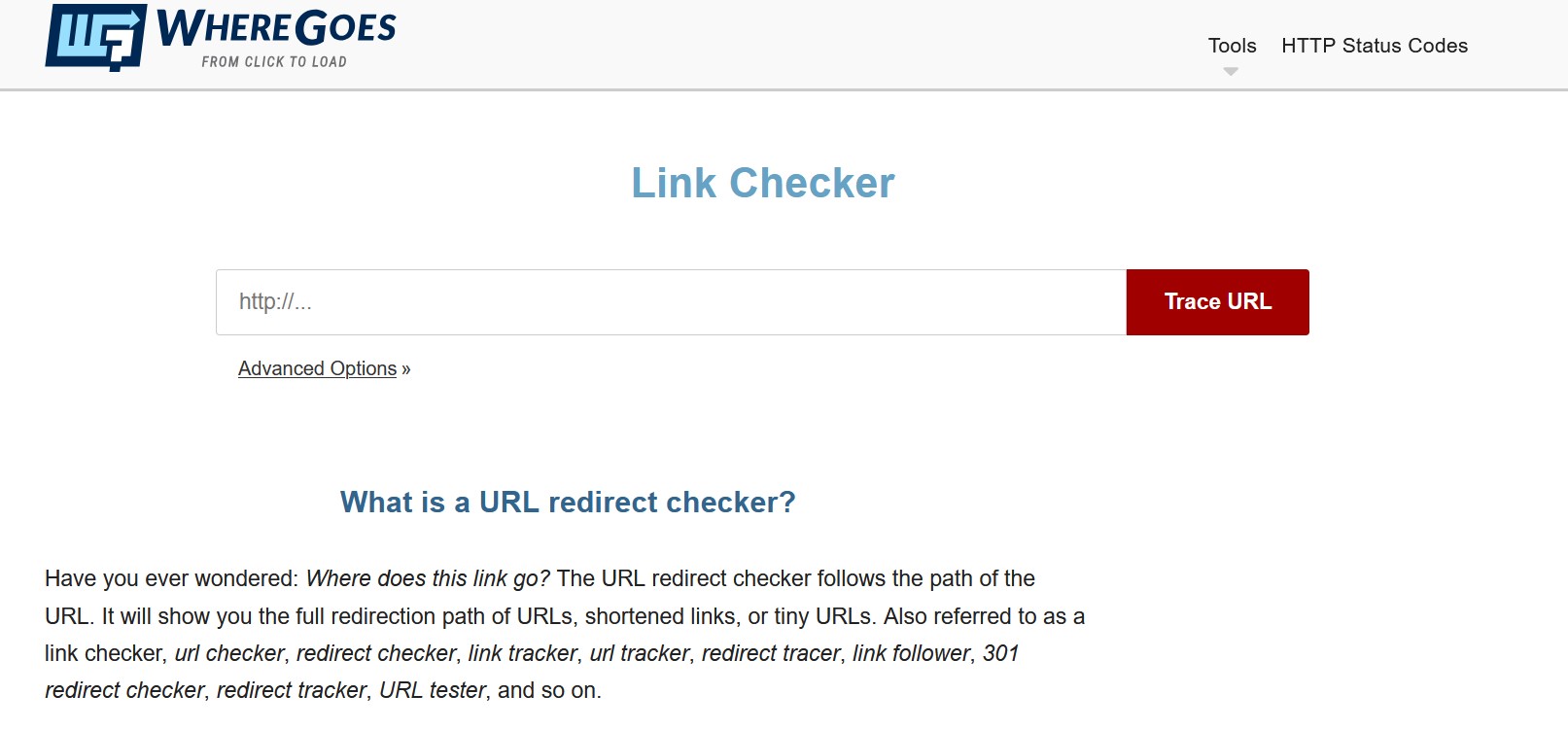
WhereGoes is a redirect tracer that maps the entire hop-by-hop path of a link and shows the server location for each step. It is the most detailed free option for understanding a full redirect chain, which is exactly what deeper affiliate decloaking demands.
Best For: users who want a visual, step-by-step map of a long redirect chain.
WhereGoes Features: full hop trace, status codes per hop, server geography display.
- Clear, visual redirect chain
- Shows every intermediate hop
- Displays server location per hop
- Free tier has usage limits
- More detail than casual users need
Recommendation: reach for it when a link redirects several times and you need to see the whole path.
GetLinkInfo
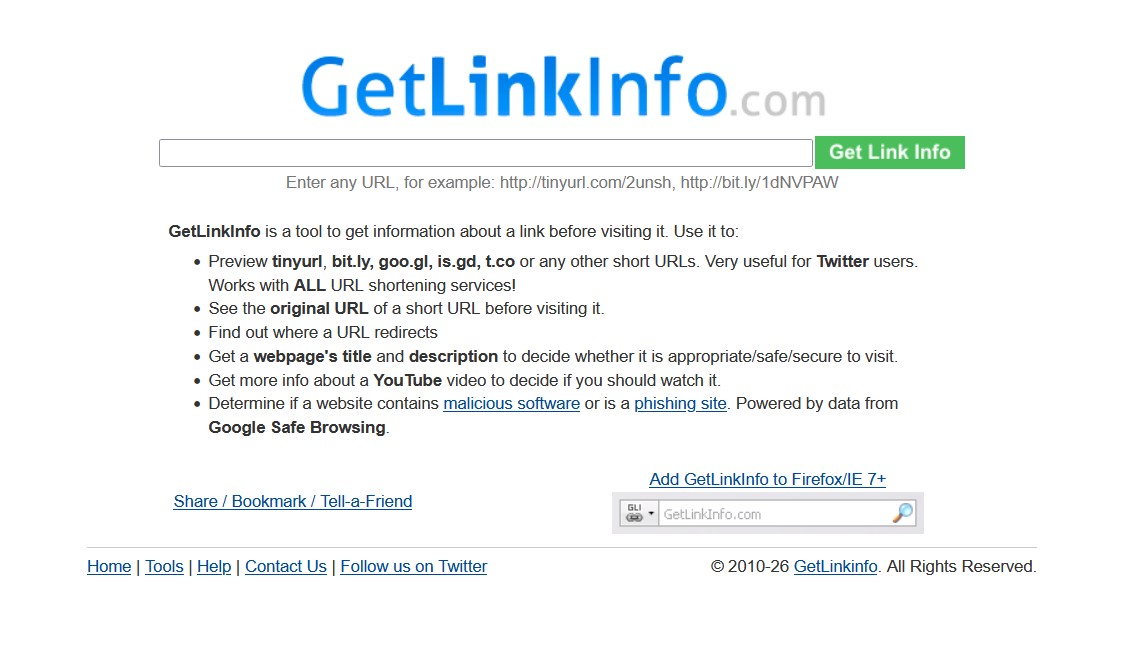
GetLinkInfo expands a shortened link and returns the final URL along with page metadata such as the title and description. It is handy when you want context about the destination, not just the raw address, before you trust or publish an affiliate marketing link.
Best For: checking the endpoint plus page details in a single lookup.
GetLinkInfo Features: URL expansion, page title and meta preview, safe-browsing signals.
- Free, no sign-up required
- Gives page title and meta context
- Includes safe-browsing signals
- One link at a time
- No bulk auditing for large programs
Recommendation: pick it when you want the destination and a preview of what sits there.
For a brand running affiliate activity across many countries and search engines, these free checkers are not enough on their own. Manual, link-by-link review does not scale, and the fraudsters worth catching are the ones these tools cannot see. That is where dedicated monitoring platforms take over, and where curated affiliate marketing tools earn their place in a serious stack.
Affiliate Link Tracking vs Decloaking: How They Connect
Affiliate link tracking and decloaking often get confused, but they answer different questions. Tracking asks “how many clicks and sales did this link generate?” Decloaking asks “where does this link actually go?” One measures performance, the other verifies the endpoint.
They connect because both depend on the redirect layer. A cloaked link routes clicks through a tracking domain that records the visit, then forwards the user to the merchant. Tracking lives inside that redirect. Decloaking reads the same redirect from the outside to confirm the destination is legitimate.
For a creator, clean affiliate link tracking and honest decloaking work together. You keep the analytics you need to optimize earnings, while still letting your audience see where they are headed. Transparency and measurement are not a trade-off when your setup is built right, which is exactly the point of learning how to promote affiliate links the honest way.
Best Practices and Common Mistakes
Whether you are revealing your own links or auditing someone else’s, a few habits separate a clean affiliate decloaking process from a sloppy one. Use this checklist before you publish or before you flag an affiliate.
- Do disclose your affiliate links. The FTC requires clear disclosure of paid relationships, and transparency here doubles as trust-building with your audience.
- Do keep your redirects short. One clean hop to the merchant reads as trustworthy. Long chains look suspicious even when they are innocent.
- Do not copy a link into your browser blind. Inspect suspicious affiliate marketing links in a tool first, never by sending live traffic to an unknown destination.
- Do not assume a free tool catches everything. Advanced cloaking hides from checkers on purpose, so brand-side audits need monitoring built to mimic a real buyer.
- Do not hide the destination to trick users. Cloaking that deceives can breach the FTC endorsement guides and get you banned from programs.
Turn Transparent Links Into a Shoppable Storefront With brandID
Decloaking is really a conversation about trust. The cleaner and more honest your links are, the more your audience clicks and buys. brandID is built around that idea, so your affiliate marketing links live inside a storefront your followers can actually see and shop, instead of a pile of masked redirects they have to second-guess.
Through the brandID Affiliate Marketplace, creators get access to more than 5 million products from over 2,000 brands, with average commissions reaching up to 65% and some brands paying even higher. You pick products in your niche, build a storefront in minutes, and organize everything into collections by season or campaign. Then you link your social posts straight to those products on your bio page, so every post becomes shoppable without a single confusing redirect.
That setup gives you the best of both sides of this guide. Your links stay transparent, your tracking stays clean, and your storefront does the selling. If you want the tooling side too, our roundup of the best link-in-bio tools shows where a shoppable bio fits.
Conclusion
Affiliate decloaking comes down to one question with two answers. If the links are yours, decloaking is how you prove there is nothing to hide, and that honesty tends to lift clicks and conversions rather than dampen them. If the links belong to someone promoting your brand, decloaking is how you confirm they are playing fair, and how you stop the quiet drain of hijacked commissions.
Start with the free tools for everyday checks, keep your own redirects short and disclosed, and lean on dedicated monitoring when the stakes and the scale climb. In a channel worth well over $18 billion in 2026, the affiliates and brands who treat transparency as a strategy, not an afterthought, are the ones who keep both their trust and their revenue intact.
Frequently Asked Questions
Is affiliate cloaking illegal?
Affiliate cloaking is not illegal by itself, and many marketers use it for clean, practical reasons. It becomes a problem when it deceives users or hides content that violates a program’s terms. Cloaking that misleads consumers can breach FTC disclosure rules and get you removed from an affiliate program.
Can I decloak affiliate links for free?
Yes. Free tools like Redirect Path, Unshorten.It, WhereGoes, and GetLinkInfo reveal the true destination of a standard cloaked link in seconds. They work well for shortened social links and simple redirects, but they cannot defeat advanced cloaking that detects checker traffic and serves a decoy page instead.
What is the difference between affiliate link tracking and decloaking?
Affiliate link tracking measures performance, recording clicks and conversions inside the redirect. Decloaking reads that same redirect from the outside to reveal where the link actually lands. Tracking answers how well a link performs, while decloaking answers where it goes. Both rely on the redirect layer, and honest setups use them together.
Why do brands decloak affiliate links?
Brands decloak links to confirm that affiliates follow program rules and are not running fraud like ad hijacking or brand bidding. With global ad fraud projected past $100 billion in 2026, decloaking turns suspicion into evidence a program can enforce, clawing back commissions paid on traffic the brand already owned.
 Summarize this article with: