Weight loss affiliate programs are among the highest-paying consumer affiliate options in 2026, and the payout gap between the top and bottom of the vertical has never been wider.
A single GLP-1 telehealth signup now pays creators $200 flat. A subscription meal delivery conversion pays $45 to $50 recurring. A supplement sale at 40% commission on a $200 stack pays $80. The same audience that would earn a coffee affiliate maybe $3 per conversion regularly clears $50 to $200 per weight loss conversion, and the underlying market is still growing. That payout gap is why affiliate programs for weight loss beat most other consumer niches on both flat payouts and recurring income.
Where weight loss sits in the wider affiliate landscape is closer to solar and finance than to normal consumer product categories. The buyer intent runs deep, the audience spends readily, and the same principles behind the best affiliate programs apply here, just at bigger scale. Weight loss also sits inside Google’s YMYL (Your Money or Your Life) category, which means Google holds these sites to higher trust standards than most niches.
Key Takeaways
- The best weight loss affiliate programs cluster into four distinct payout models: meal delivery (flat $40-$50 per sale), digital programs and apps (mixed one-time and recurring), medical and GLP-1 telehealth (flat $50-$200 per patient), and supplements (20-50% per sale with long cookies).
- GLP-1 telehealth programs pay the highest per-conversion commissions at $200 flat (Fella Health, Delilah, eMed) and reflect the fastest-growing sub-vertical in weight loss for 2026.
- Subscription-based programs (Noom, WeightWatchers, Mayo Clinic Diet, Metabolic Renewal) pay less per conversion but compound through recurring commissions and multi-month customer retention.
- Weight loss content sits in Google’s YMYL category and rewards credibility signals: cite reputable sources, disclose affiliations, avoid medical claims, and lean into programs with recognized authority (Mayo Clinic, physician-supervised offerings).
Top Weight Loss Affiliate Programs Compared
A quick reference across all 13 weight loss affiliate programs featured in this guide, sorted so the highest per-conversion commissions surface first:
| Program | Commission | Cookie | Model |
|---|---|---|---|
| Fella Health | $200 per referral | 30 days | GLP-1 telehealth |
| Delilah | $200 per referral | 30 days | GLP-1 telehealth (women) |
| Options Medical Weight Loss | $50 per patient | 30 days | Medical clinics |
| Diet-to-Go | $50 per sale | 45 days | Meal delivery |
| BistroMD | $45 per sale | 45 days | Meal delivery |
| Mayo Clinic Diet | 50% first subscription | 30 days | Digital program |
| Metabolic Renewal | Up to 50% | 60 days | Digital program |
| PhenQ | 40% per sale | Lifetime | Supplement |
| HealthyWage | $30-$50 per referral | 30 days | Gamified challenge |
| Organifi | 30% per sale | Lifetime | Supplement |
| Noom | Up to $15 per trial | 30 days | Subscription app |
| WeightWatchers (WW) | $10-$20 per signup | 14 days | Subscription app |
| Diet Direct | Up to 10% per sale | 30 days | Meal replacements |
Why Weight Loss Affiliate Programs Pay More Than Most Consumer Niches
Most consumer verticals cap out at 5-10% commission on relatively low order values. Weight loss operates by different rules because the pain point is acute, the buyer intent is deep, and the medical infrastructure around GLP-1 has created a new tier of high-ticket bounties that did not exist three years ago.

1- High-Ticket GLP-1 Bounties
GLP-1 medications (the drugs behind Ozempic and Mounjaro) reshaped the weight loss market, and a wave of telehealth companies now prescribe them alongside coaching. Fella Health, Delilah, and eMed all pay $100 to $200 per qualifying patient signup, with some programs adding recurring commissions on renewal. This is the single most important payout shift in the vertical since subscription meal delivery took off in the 2010s. A creator with the right audience can outearn most consumer niches with fewer than 10 conversions per month.
2- Recurring Revenue From Subscription Apps
Weight loss is a multi-month journey, not an impulse purchase. Noom, WeightWatchers, Mayo Clinic Diet, Metabolic Renewal, and Healthspan all operate on subscription models with meaningful retention. A single conversion that stays subscribed for 8-12 months turns a $15 signup bounty into $100+ in lifetime commission. This compounding makes subscription programs a great fit for SEO affiliate marketing where evergreen content keeps sending qualified traffic for years.
3- A Market Big Enough To Support Every Angle
The global weight loss market was valued at $257 billion in 2025 and is projected to reach $434 billion by 2028. That size means specialized sub-niches can be profitable too: bariatric surgery content, hormonal weight gain (perimenopause and PCOS), postpartum recovery, endurance athlete cutting, keto and low-carb, meal replacement for shift workers, and everything else. Unlike smaller niches where you fight for the same 10 keywords, weight loss has room for hundreds of profitable content angles that each map to different affiliate programs.
13 Best Weight Loss Affiliate Programs For 2026
Ranked within each of the four category models (meal delivery, digital programs and apps, medical and GLP-1, supplements), with commission rates, cookie windows, and audience-fit notes for each program.
●Meal Delivery And Nutrition
1- BistroMD
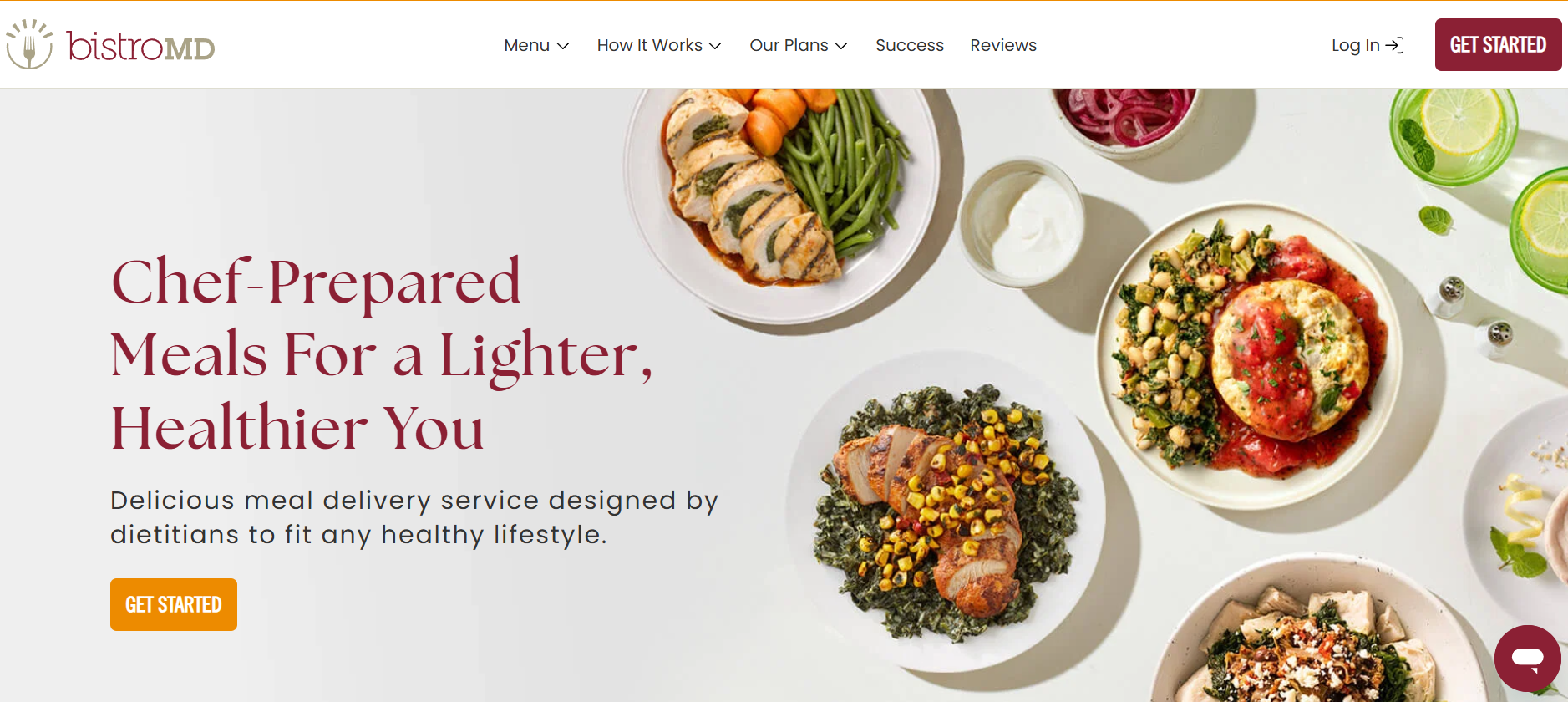
Doctor-designed meal delivery focused on metabolism correction rather than pure calorie counting. BistroMD sits at the medical end of the meal delivery spectrum and runs specialized landing pages for menopause, diabetes, and heart health, which lets creators target long-tail keywords that convert far above generic “meal delivery” terms. One of the strongest weight loss affiliate programs for creators who write about health conditions or clinical topics.
- Commission: $45 per sale, with bonus opportunities
- Cookie: 45 days
- Model: Meal delivery subscription
- AOV: $150-$250 per weekly plan
- Best for: Health and clinical bloggers, condition-specific niches
2- Diet-to-Go
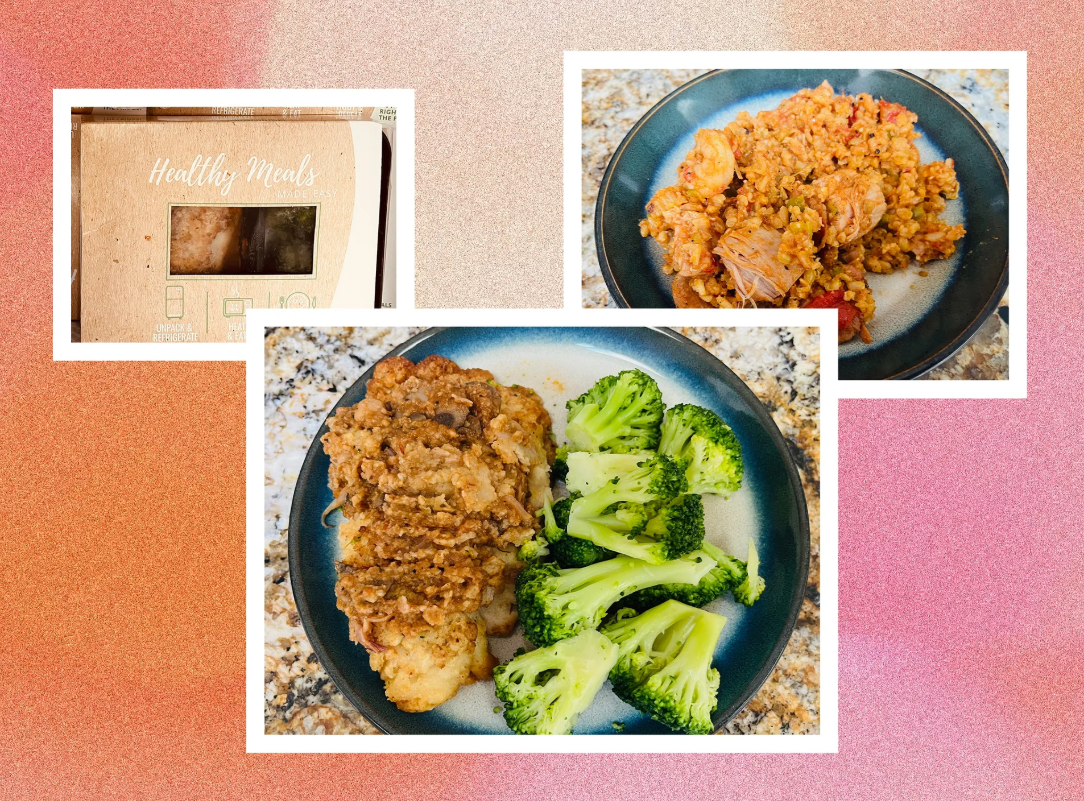
Chef-prepared meal delivery with a strong focus on calorie-controlled portions across Keto, Vegetarian, Balanced, and Diabetic-friendly plans. Diet-to-Go is one of the more established meal delivery affiliate programs and pairs well with content aimed at busy professionals or first-time meal delivery buyers. The 45-day cookie window is longer than most weight loss affiliate programs offer, which matters because meal delivery buyers often research for weeks before subscribing.
- Commission: $50 per sale, bonus tiers available
- Cookie: 45 days
- Model: Meal delivery subscription
- AOV: $130-$200 per weekly plan
- Best for: Busy professionals, meal-prep skeptics, keto and low-carb creators
3- Diet Direct
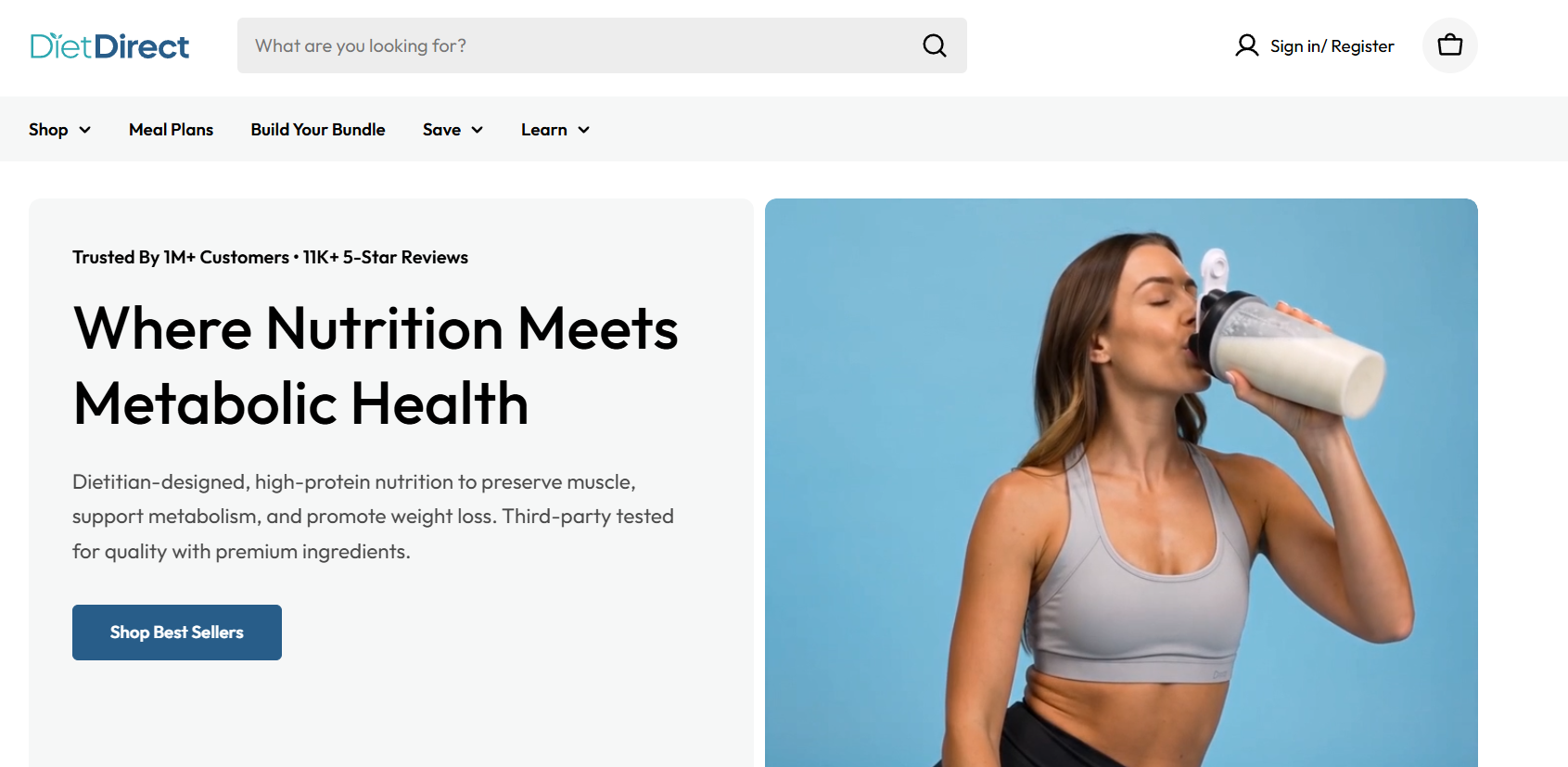
Focused on meal replacements, high-protein snacks, and weight loss shakes rather than full meal delivery, Diet Direct sits at the affordable end of the weight loss products affiliate programs category. The lower price point (typical carts are $40-$100 vs $150-$250 for full meal plans) makes conversions easier to earn, and frequent reorders bring repeat commissions from the same customer.
- Commission: Up to 10% per sale
- Cookie: 30 days
- Model: Meal replacements and shakes (one-time and repeat)
- AOV: $40-$100 per order
- Best for: Budget-conscious dieters, shake and bar reviewers
●Digital Programs And Apps
4- WeightWatchers (WW)
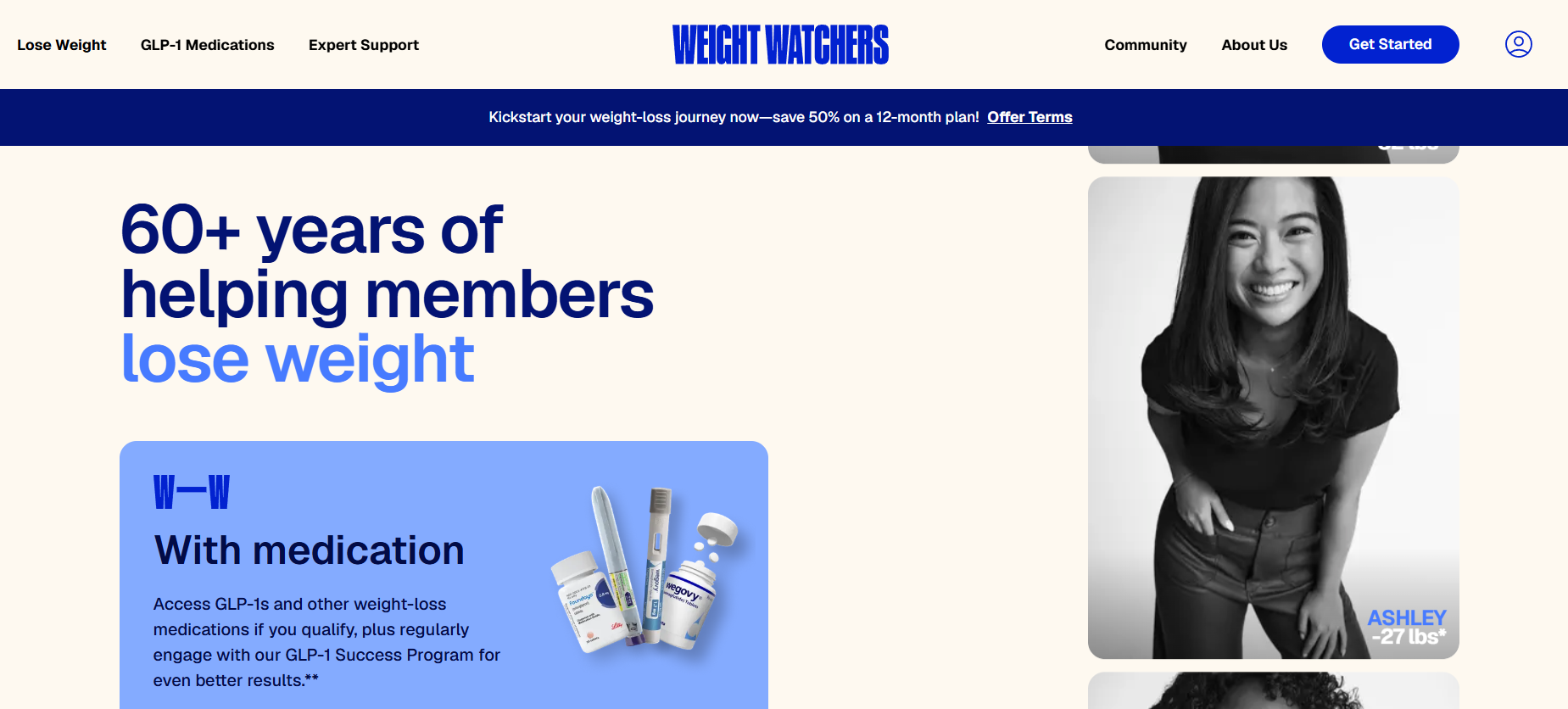
Brand recognition is the main asset here. WeightWatchers has decades of trust in weight loss and the familiar logo alone removes the scam-worry friction most weight loss affiliate programs deal with. Its rebrand toward “wellness” widened the audience, and the underlying points system remains one of the most widely recognized structured eating approaches. A strong pick for lifestyle bloggers, first-time weight loss affiliates, and anyone whose audience skews older or more risk-averse.
- Commission: $10-$20 per qualifying subscription
- Cookie: 14-30 days depending on network
- Model: Subscription app with recurring retention
- AOV: $23-$45 per month
- Best for: Lifestyle and family bloggers, beginner-friendly weight loss content
5- Noom
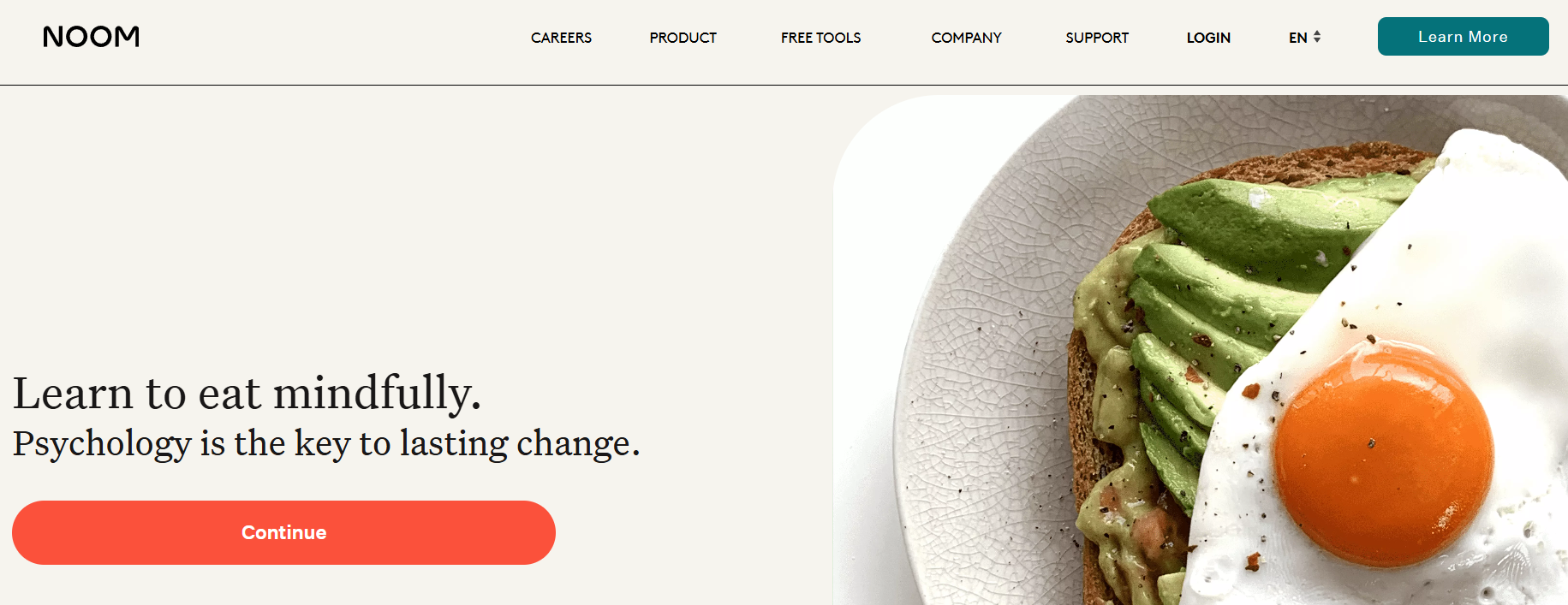
Cognitive behavioral therapy (CBT) applied to weight loss, delivered through an app-based coaching model. Noom’s anti-diet message speaks to readers who have tried and abandoned restrictive plans and want a psychology-first alternative. The low barrier to entry (trial signup rather than immediate purchase) makes it one of the highest-converting weight loss affiliate programs for general wellness bloggers and psychology-adjacent content creators.
- Commission: Up to $15 per trial or lead
- Cookie: 30 days
- Model: Freemium trial with subscription conversion
- AOV: $60 per month typical
- Best for: Wellness bloggers, anti-diet audiences, behavioral health niches
6- Mayo Clinic Diet
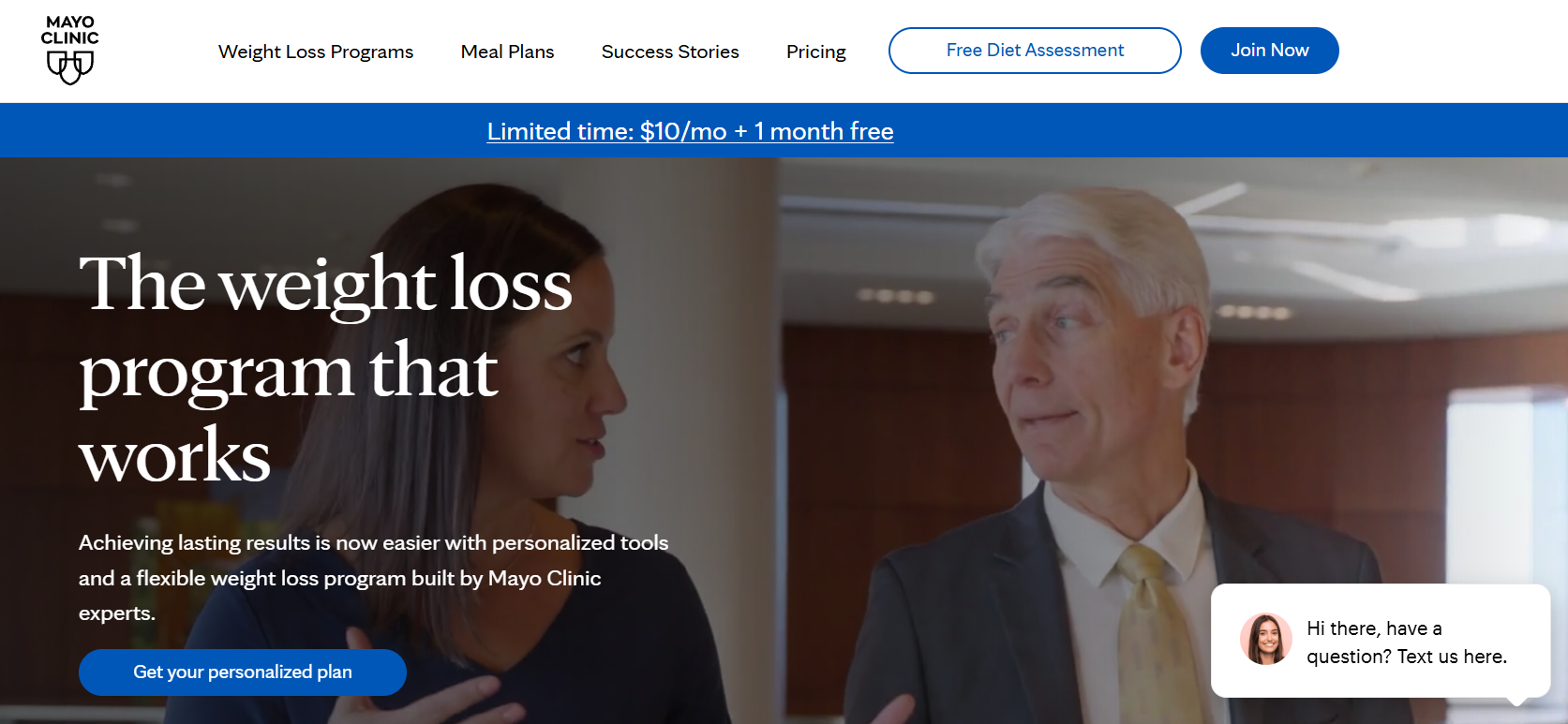
The single most credibility-boosting brand in the weight loss digital program category. Mayo Clinic name recognition is unmatched in the space, and the 50% commission on the first subscription payment ranks among the highest new-subscription payouts in the top weight loss affiliate programs. For sites concerned with E-E-A-T signals, promoting a Mayo Clinic-branded product is one of the safest possible pairings.
- Commission: 50% on new subscriptions
- Cookie: 30 days
- Model: Digital subscription (CJ Affiliate)
- AOV: $80-$100 first subscription payment
- Best for: Science-backed health blogs, higher-authority sites, older audiences
7- Metabolic Renewal
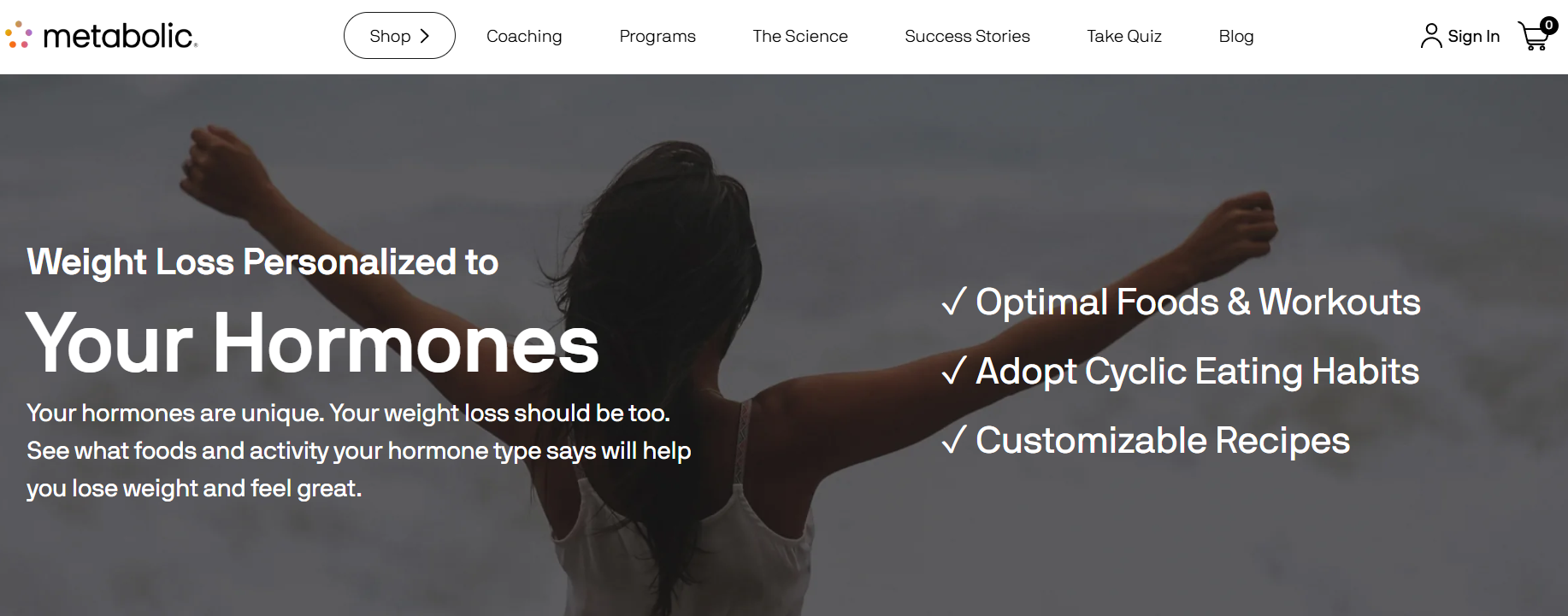
Targeted specifically at women dealing with hormonal changes (perimenopause, menopause, PCOS), Metabolic Renewal is a digital program combining hormone-aware training with meal planning and community support. The “hormonal weight” framing speaks to a real pain point that generic diet content misses, which builds trust fast and makes this one of the higher-converting high paying weight loss affiliate programs for women’s health creators.
- Commission: Up to 50% per sale
- Cookie: 60 days
- Model: Digital program (one-time or tiered)
- AOV: $97-$297 per program tier
- Best for: Women’s health, perimenopause and menopause niches, hormone content
8- HealthyWage
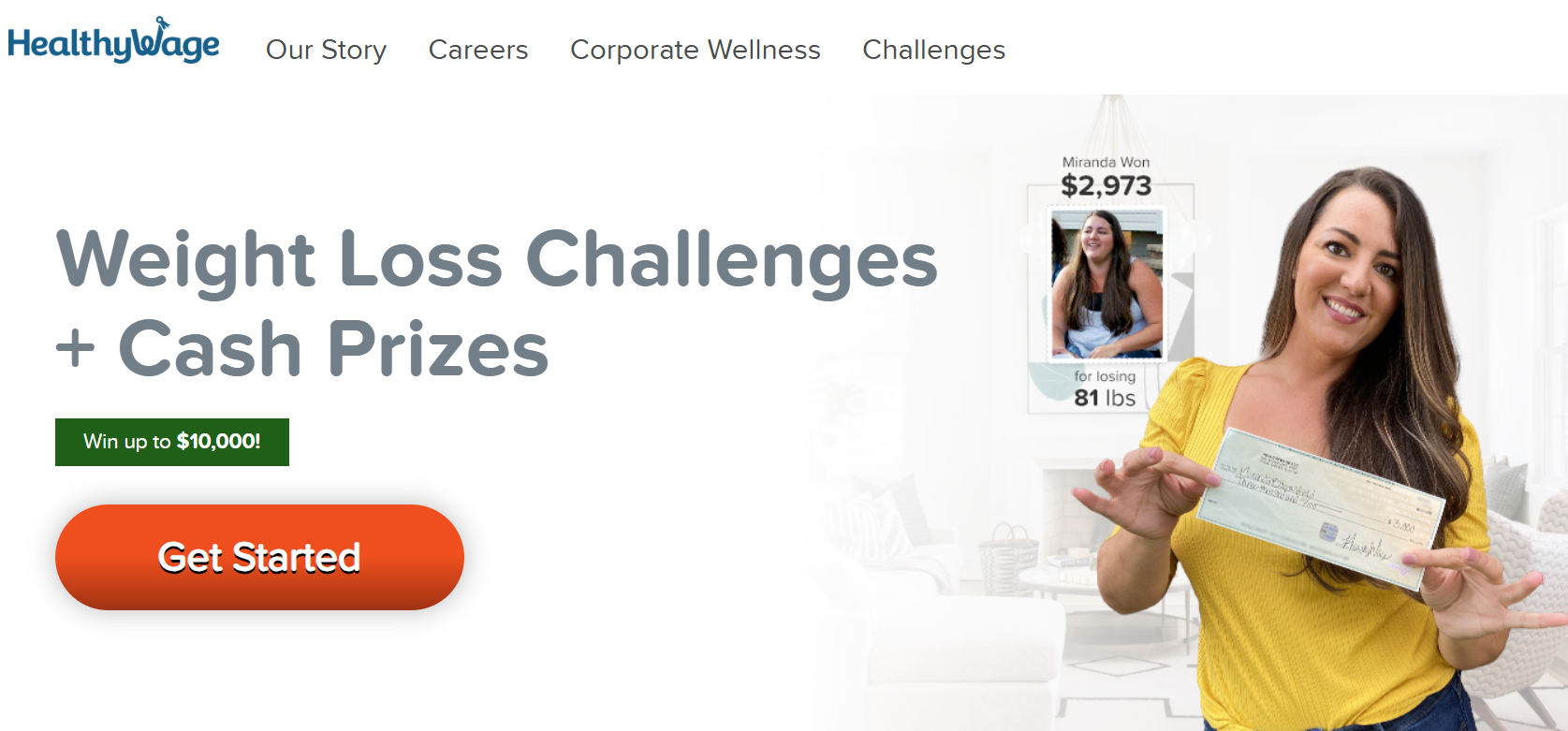
A gamified weight loss platform where users place a financial bet on hitting their own goal. If they succeed, they win money. This turns weight loss into a personal bet rather than a straight purchase, and the psychology drives unusually high engagement. HealthyWage works well for financial content and side-hustle audiences, giving creators an angle no other program in the niche can match.
- Commission: $30-$50 per qualified referral
- Cookie: 30 days
- Model: Gamified challenge platform
- AOV: $50-$500 bet size average
- Best for: Financial and side-hustle creators, motivation and accountability niches
●Medical And GLP-1 Programs
9- Fella Health
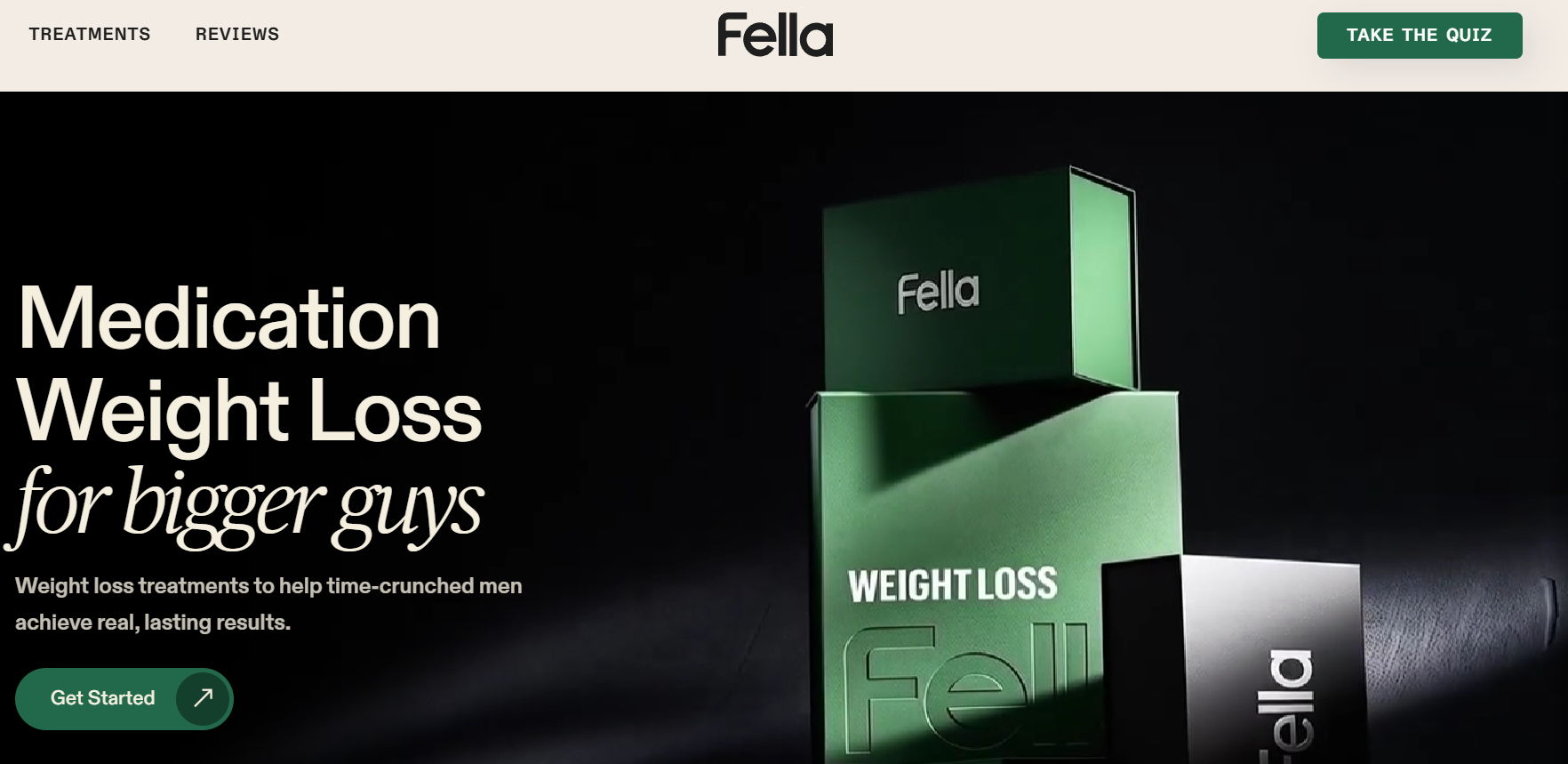
A telehealth program combining GLP-1 medications with testosterone therapy and behavioral coaching, targeted specifically at men. Fella Health represents the new high-ticket end of weight loss affiliate programs, with $200 flat bounties on qualified patient signups. Five conversions per month clears $1,000 in commission, which few consumer verticals can match at that volume. Best paired with men’s health, longevity, or fitness content.
- Commission: $200 per successful referral
- Cookie: 30 days typical
- Model: GLP-1 telehealth (men)
- AOV: $300-$500 monthly program cost
- Best for: Men’s health blogs, longevity content, testosterone and hormone niches
10- Delilah
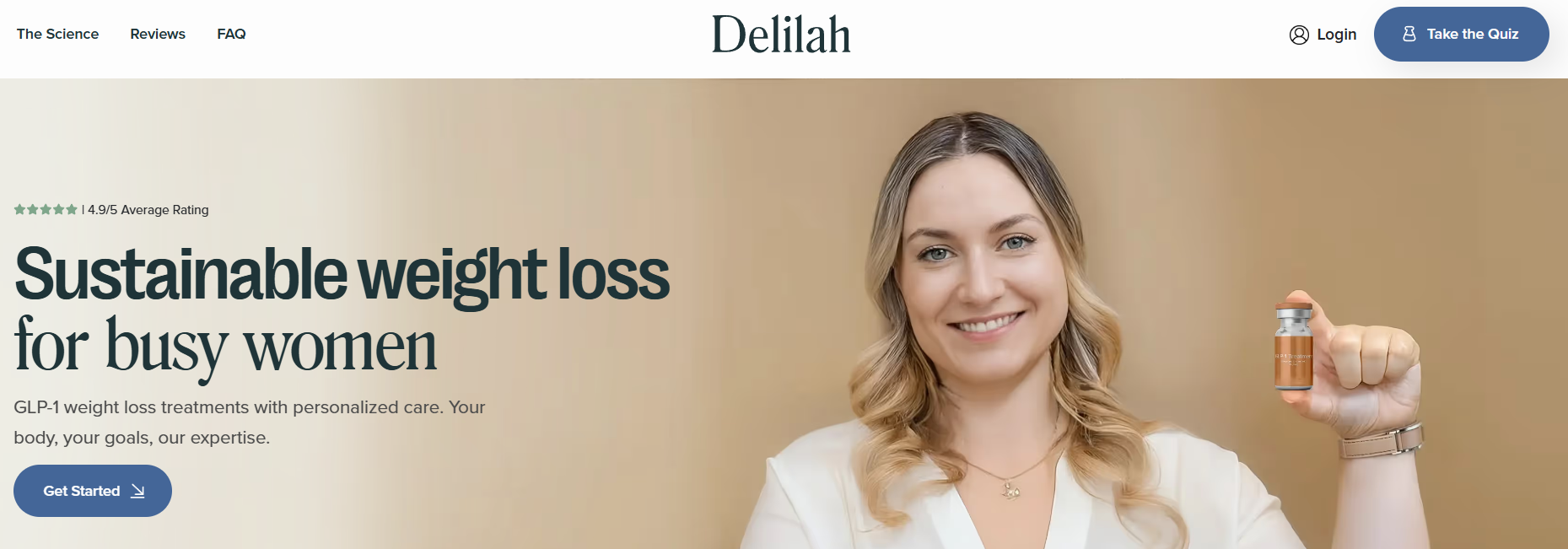
The women-focused counterpart to Fella Health, Delilah combines GLP-1 treatments with expert coaching and personal support, wrapped in a cleaner and easier-to-use experience than most medical weight loss platforms. Referrals also receive $150 off their first payment, which lowers the psychological friction to signup and boosts conversion rates for weight loss high ticket affiliate programs of this type. Best for women’s health, midlife wellness, and postpartum content.
- Commission: $200 per successful referral
- Cookie: 30 days typical
- Model: GLP-1 telehealth (women)
- AOV: $250-$500 monthly program cost
- Best for: Women’s health, midlife and postpartum content, wellness coaches
11- Options Medical Weight Loss
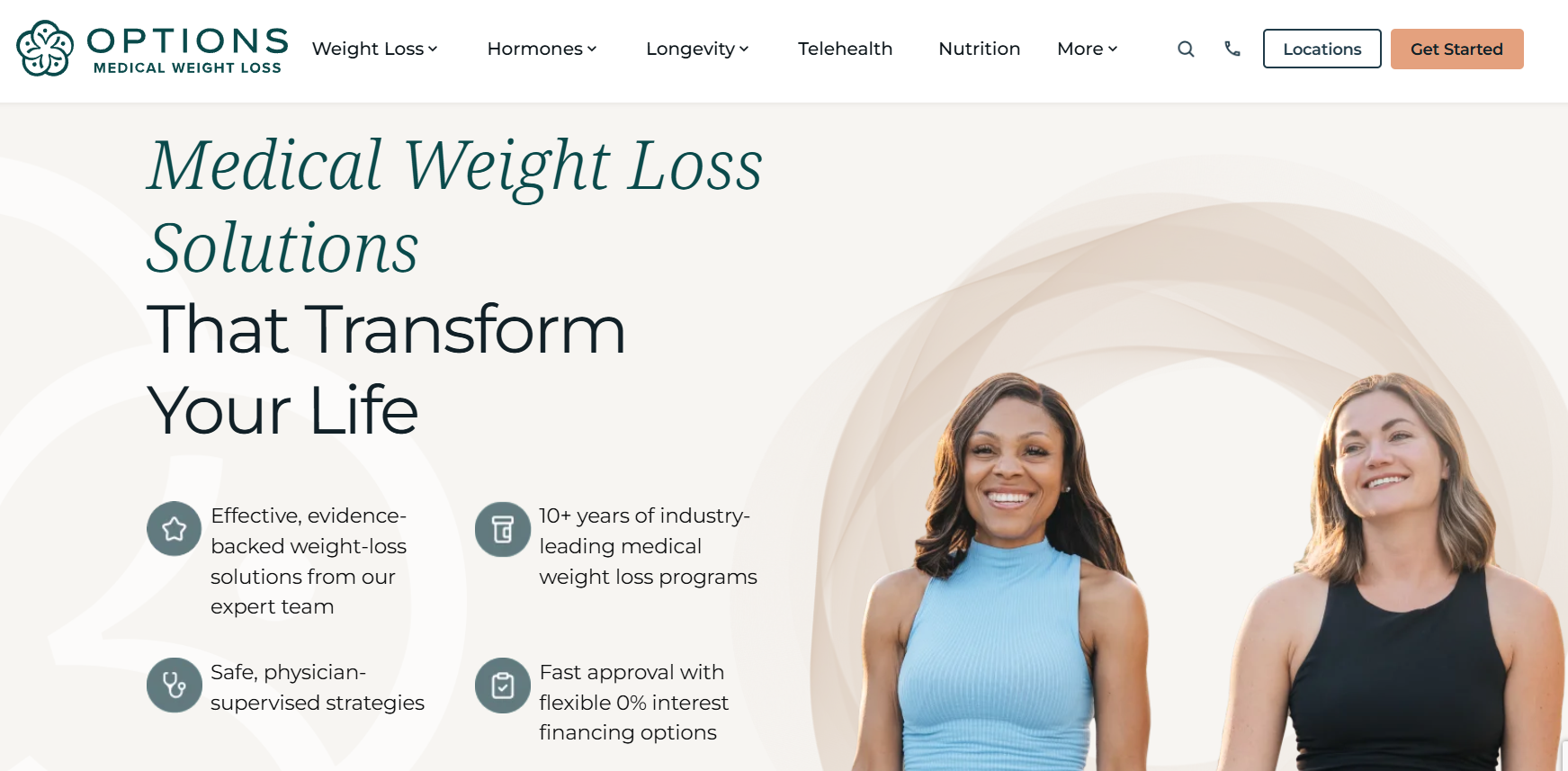
Physician-supervised weight loss including FDA-approved medications, meal planning, and counseling, offered through both physical clinics and telehealth. Options Medical targets individuals dealing with obesity or chronic weight issues rather than casual dieters, which produces higher lead quality and conversion values. Especially useful for location-based weight loss content or creators covering medically supervised programs alongside GLP-1 telehealth alternatives.
- Commission: $50 per qualifying new patient
- Cookie: 30 days
- Model: Physician-supervised clinical program
- AOV: $500-$2,000 program value
- Best for: Location-based content, medical weight loss niches, obesity-focused blogs
●Supplements And Products
12- PhenQ
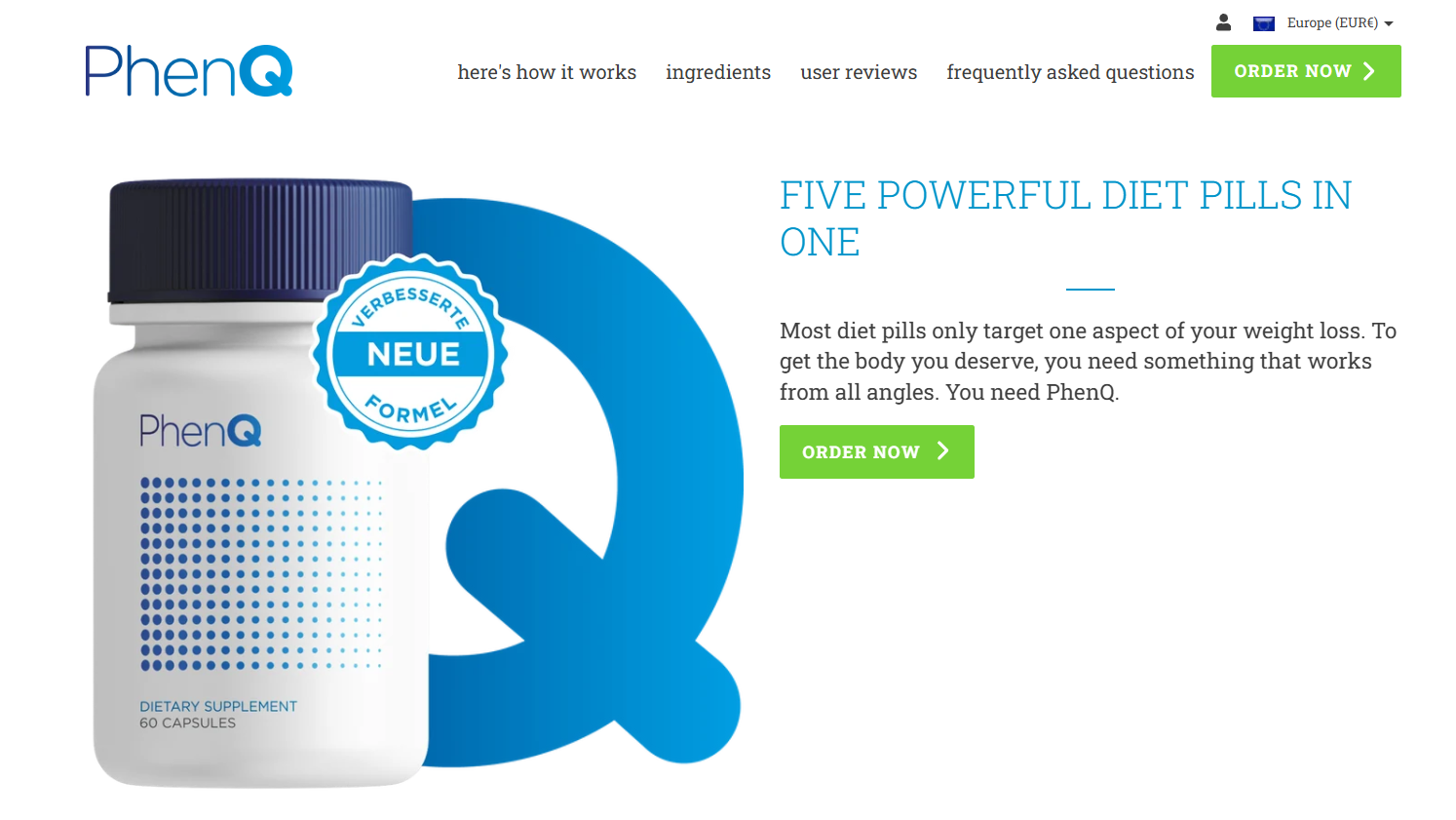
One of the highest-commission stable supplement offers in the weight loss supplements affiliate programs category, PhenQ pairs a 40% commission with a lifetime cookie, which is unusual and unusually valuable. The lifetime cookie means readers who bookmark, compare, and buy weeks or months later still credit the original referrer. Best treated carefully: promote alongside honest reviews and appropriate disclaimers, and match to audiences who understand supplement categories.
- Commission: 40% per sale
- Cookie: Lifetime
- Model: Direct supplement affiliate
- AOV: $70-$210 per stack
- Best for: Supplement review sites, fitness enthusiasts, comparison content
13- Organifi
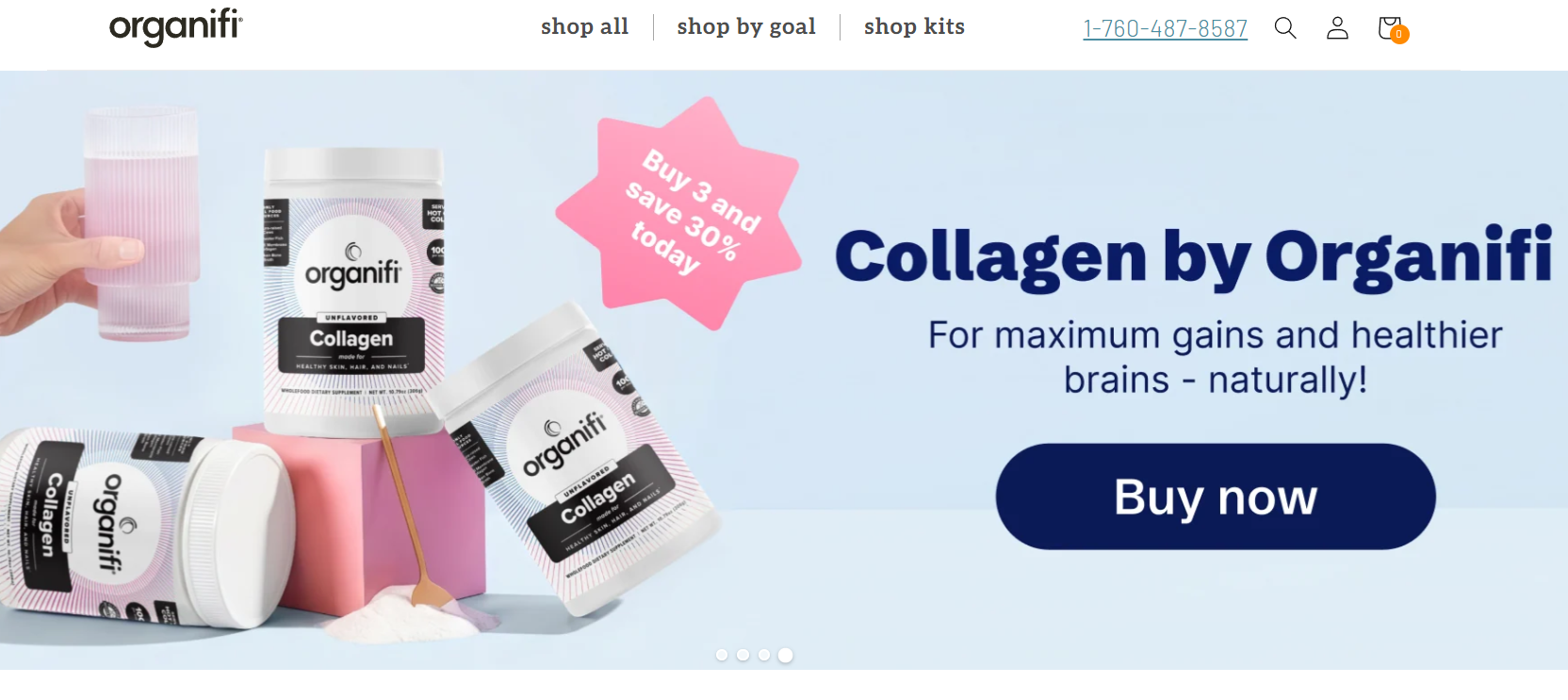
Premium superfood blends (Green Juice, Red Juice, Gold) with strong social proof from top-tier fitness and wellness influencers. Organifi’s high visibility on Instagram and YouTube means audiences have often already seen the product before hitting a creator’s link, which shortens the sales cycle. The 30% commission with a lifetime cookie makes this one of the strongest recurring-purchase supplement options among weight loss affiliate programs for holistic health and clean-living content.
- Commission: 30% per sale
- Cookie: Lifetime
- Model: Superfood supplement subscription
- AOV: $70-$150 per order
- Best for: Clean living, holistic health, plant-based nutrition content
Ditch The Approval Cardio
One dashboard, every weight loss brand, no repetitive approvals to grind through.
Applying to 13 different weight loss affiliate programs across ShareASale, Impact, CJ, and direct portals takes real time, and tracking payouts across all those networks each month adds up fast. brandID affiliate marketplace bundles 5 million+ products from 2,000+ brands, including major weight loss, wellness, and supplement retailers, into a single creator account with commission rates up to 65%. One application. One dashboard. Weekly payouts.
How To Maximize Weight Loss Affiliate Income
The audiences that convert best on weight loss content are usually not looking for a single product. They are researching an entire approach and picking components from different program categories. That reality shapes how successful creators structure their affiliate stacks.
- Combine categories, not competitors: Pair one meal delivery program (Diet-to-Go or BistroMD) with one subscription app (Noom or WW) and one high-ticket GLP-1 option (Fella Health or Delilah), then add a supplement (PhenQ or Organifi) as a lower-commitment upsell. This covers the full spectrum of buyer intent from budget to premium.
- Lean into audience-specific angles: Perimenopause weight loss (Delilah + Metabolic Renewal), postpartum recovery, PCOS, endurance athlete cutting, and shift-worker meal replacement all convert far above generic “how to lose weight” content because they map to specific buyer states with less competition.
- Publish comparison content: “Noom vs WeightWatchers” and “Fella Health vs Delilah” pull readers with credit cards in hand who just need a nudge toward one option. These posts convert 3-5x higher than broad category content.
- Weight loss transformation content pins exceptionally well, making Pinterest affiliate marketing one of the highest-ROI traffic channels for meal-prep, before-and-after, and progress-tracking content in particular.
- Transformation stories and meal prep videos dominate short-form, and making money on TikTok in the weight loss vertical rewards authenticity (show the process, not just the result) over polished influencer aesthetics.
- Faceless weight loss content works surprisingly well, particularly for meal prep timelapses, macro breakdowns, and product comparisons, which makes faceless affiliate marketing a viable path for creators who prefer not to appear on camera.
Weight loss content sits in Google’s YMYL category, which means stricter trust and credibility standards than most niches. Cite reliable sources, avoid overblown health claims, disclose affiliate links clearly per FTC endorsement rules, and lean toward programs with recognized authority. The same discipline behind strong survival affiliate programs content (specificity, credibility, honest reviews) applies double in weight loss because the stakes for readers are higher.
Final Weigh-In
The best weight loss affiliate programs in 2026 are no longer a single boring list of supplement offers. The vertical has split into four distinct payout models (meal delivery, subscription apps, medical and GLP-1 telehealth, and supplements), and creators earning the most in the niche are the ones who pick two or three complementary programs across categories rather than betting everything on a single high-commission offer.
Beyond the picks above, the fundamentals stay simple: match the program to the audience (someone Googling “GLP-1 alternatives” is a different buyer than someone Googling “meal delivery for busy moms”), publish evergreen content that ranks and pays for years, and treat compliance as a feature rather than a burden. Weight loss audiences also buy plenty of related digital products (meal plans, workout guides, coaching) and overlap heavily with beauty and skincare buyers, which makes the picks in the best digital products to sell guide and the best beauty affiliate programs roundup natural companion revenue streams for creators in this niche.
FAQs
1- What is the highest-paying weight loss affiliate program?
GLP-1 telehealth programs like Fella Health and Delilah currently pay the highest per-conversion bounties in the weight loss niche at $200 per qualified patient signup. For percentage-based commissions, PhenQ leads at 40% per sale with a lifetime cookie, and Metabolic Renewal pays up to 50% on digital program sales. High-volume subscription programs like Noom pay less per conversion but compound faster through recurring commissions.
2- Are weight loss affiliate programs profitable in 2026?
Yes. Weight loss remains one of the most profitable consumer affiliate niches because pain points are acute, the audience is willing to spend, and payout structures reward both volume (subscription apps) and premium conversion value (GLP-1 telehealth). Creators driving 20-30 conversions per month across a diversified weight loss program stack commonly generate $1,500-$5,000 in monthly commission. High-audience-fit content with GLP-1 or meal delivery focus can clear $10,000+ monthly.
3- Which weight loss affiliate programs pay recurring commissions?
Recurring commission programs in weight loss include Noom, WeightWatchers, Mayo Clinic Diet, Healthspan, and most GLP-1 telehealth programs (which typically pay per renewal). Recurring structures compound because weight loss customers stay subscribed for months or years, meaning a single conversion produces income long after the original click. Subscription-based programs pair well with SEO content that ranks for years.
4- Do I need medical credentials to promote weight loss affiliate programs?
No, but weight loss content sits in Google’s YMYL (Your Money or Your Life) category, which means stricter E-E-A-T standards. You do not need medical credentials to promote weight loss affiliate programs, but you should avoid making direct medical claims, cite reputable sources, include appropriate disclaimers, and disclose affiliate relationships clearly per FTC rules. Programs like Mayo Clinic Diet and Fella Health carry their own medical authority that boosts your credibility by association.
5- What is the best weight loss affiliate category to promote?
GLP-1 telehealth programs (Fella Health, Delilah, Options Medical) deliver the highest per-conversion commissions at $50-$200 flat rates and align with the fastest-growing sub-vertical in weight loss. Meal delivery programs (BistroMD, Diet-to-Go) convert well because they solve a concrete daily problem. Subscription apps (Noom, WW, Mayo Clinic) compound through recurring commissions. Supplement programs pay high percentages but face stricter compliance scrutiny. Most successful weight loss affiliates run 4-6 programs across at least two categories.
 Summarize this article with: