
Payhip Review 2026: Features, Fees & Real User Experience
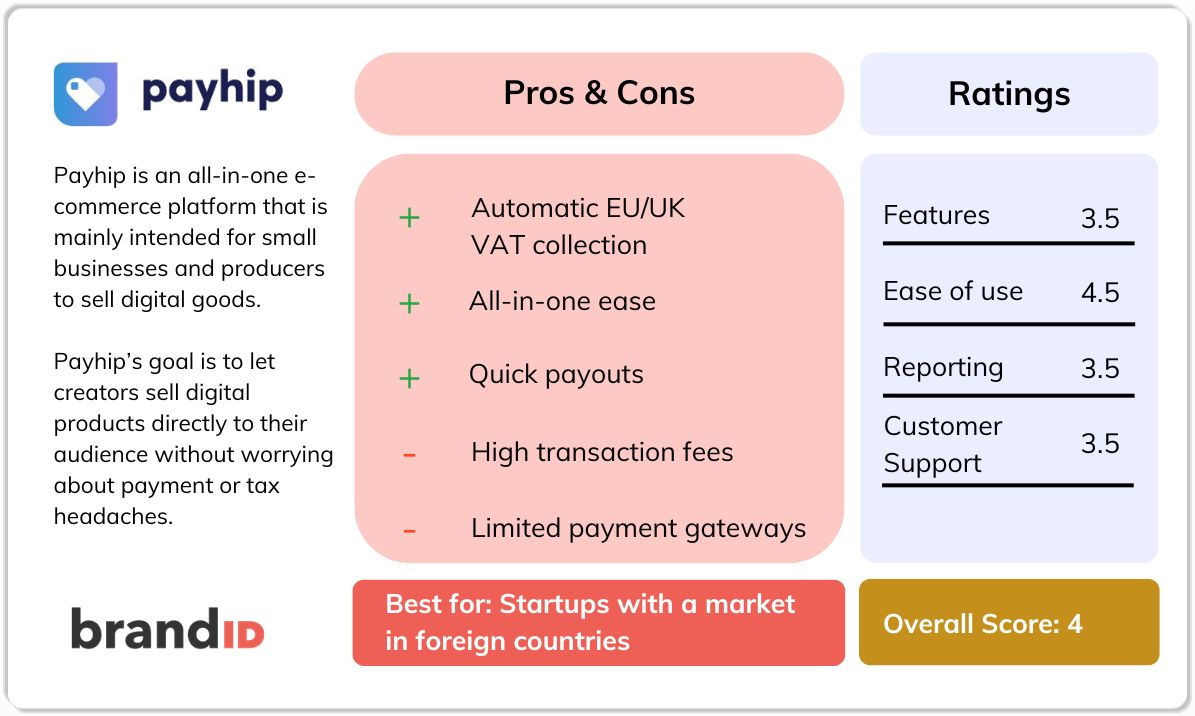
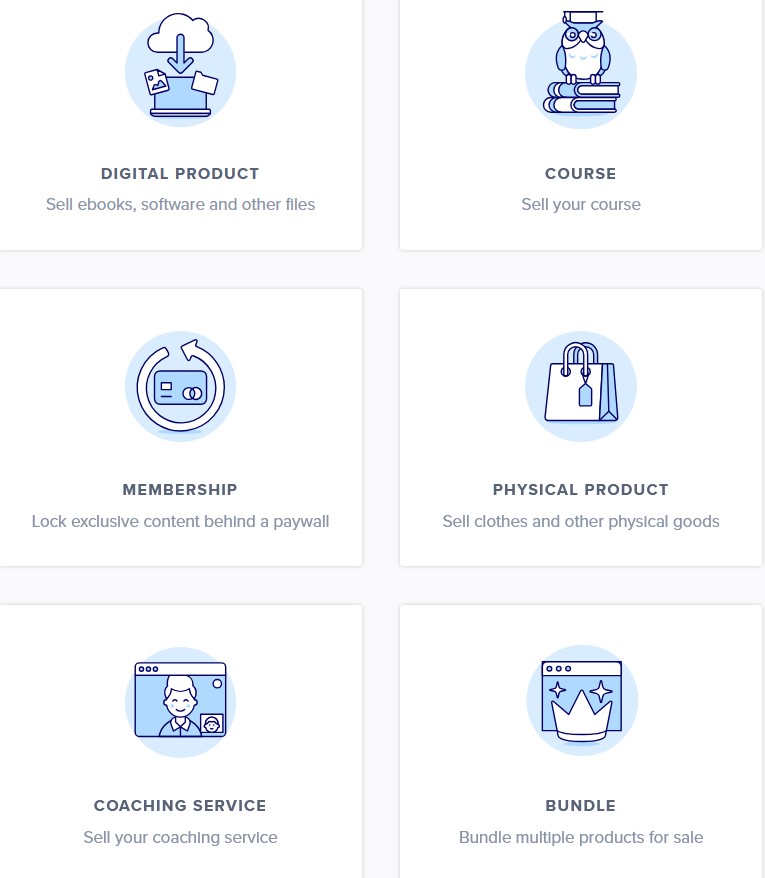
Payhip is an all-in-one e-commerce platform that is mainly intended for small businesses and producers to sell digital products. Anyone can put up a basic online store or checkout links and start selling things like eBooks, software, online courses, memberships, coaching sessions, or even tangible goods.
In this review, we dive into Payhip's features, pricing, and real customer feedback. We'll also look at its strengths and see for ourselves if there are any weaknesses too, and whether other alternatives like brandID can cover those or not.
What Is Payhip?
Payhip is an online store solution for digital and physical sellers. Payhip's goal is to let creators sell digital products directly to their audience without worrying about payment or tax headaches.
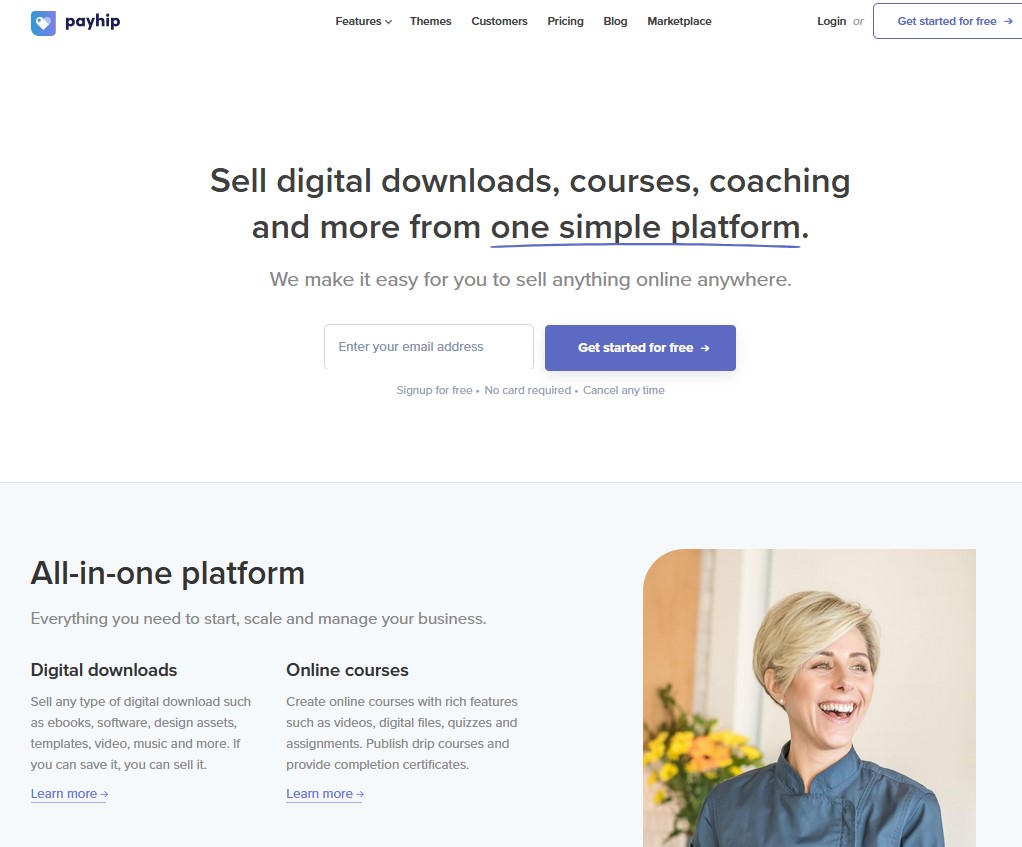
At its core, Payhip is a monetization tool designed specifically for the digital economy and enables creators to easily monetize their assets and expertise, in contrast to traditional e-commerce platforms that mostly concentrate on tangible goods.
It makes things easier for both buyers and merchants by removing the technological difficulties associated with hosting and payment processing.
But we are here to look beyond these usual terms and see if Payhip is really what it wants you to think it is, or if there are flaws to it.
Payhip Overview
At a Glance
- Payhip was founded in 2011 by Abs and Kahin Farah in London.
- Its main goal is to help creators sell products easily without technical skills.
- Includes marketing tools like coupons, affiliates, and email marketing.
- Integration with Stripe, PayPal, and Square.
- Handling EU and UK VAT taxes.
In order to help you determine whether it's the best option for you, we'll examine all sides of Payhip in this review and present a more compelling alternative at the end.
Payhip Features
Payhip includes a wide range of features to support online selling. Key features include:
Digital Downloads
You can sell digital downloads with Payhip. Up to 5GB of eBooks, PDFs, templates, music files, films, applications, and more can be uploaded.
Customers receive a secure download link after making a transaction. For security, you can also activate watermarking or impose download limitations.
Online Courses
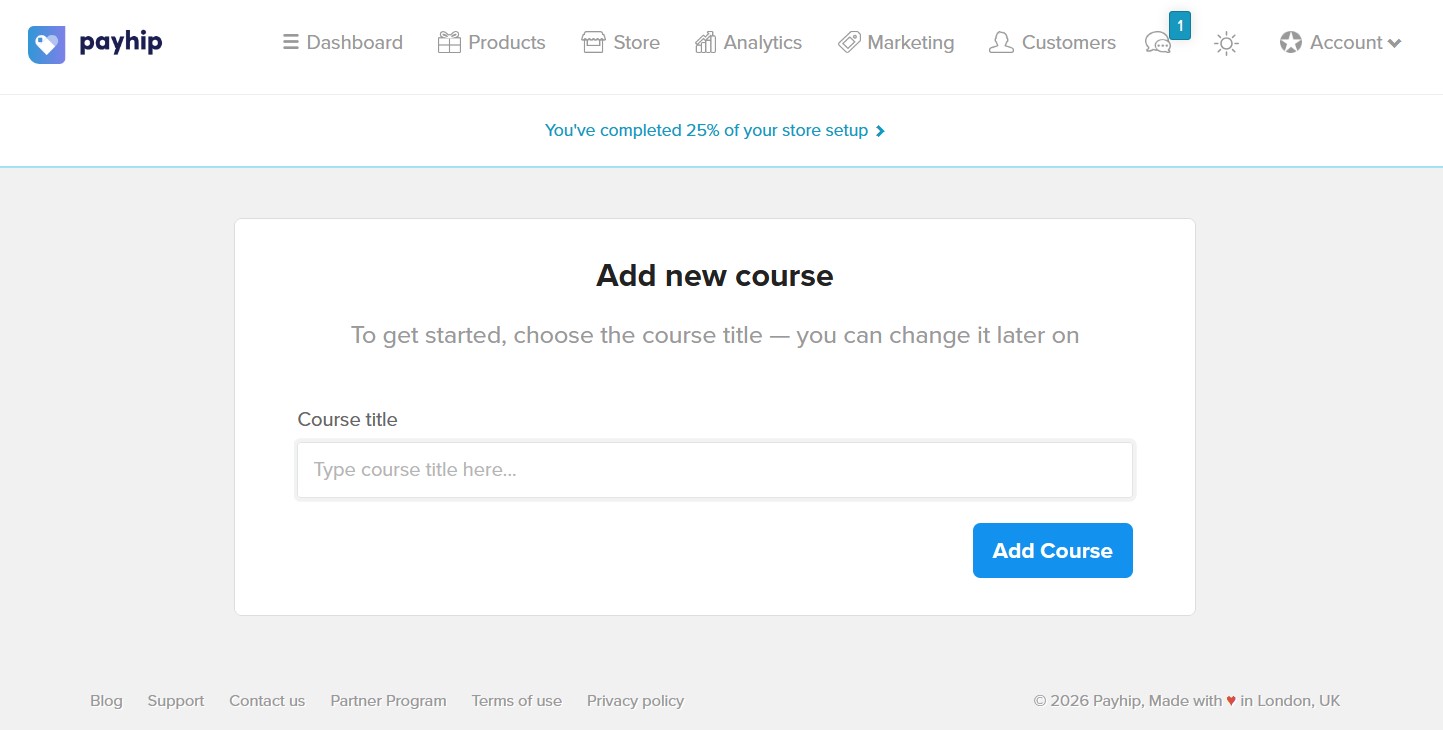
Payhip supports multi-lesson online courses. Creators can combine videos, text, quizzes, assignments, surveys, and downloadable resources into courses.
Some of the features that this system provides are drip-feeding content over time, tiered pricing, pre-orders, student accounts, comment sections per lesson, and a free preview option.
Memberships & Subscriptions
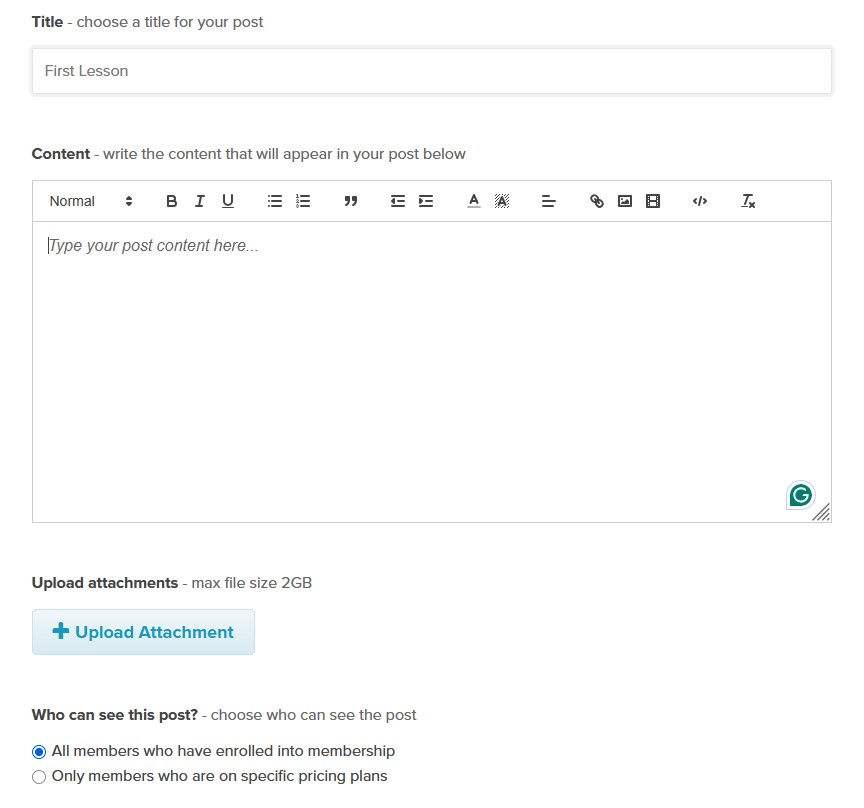
Payhip offers membership plans. You can build and sell different tiers of memberships with exclusive content.
Members can pay weekly, monthly, or custom periods for continued access. The system manages free trials and helps users manage their own accounts separately.
Coaching and Bookings
You can also use Payhip to sell coaching or services. It integrates with scheduling tools, and buyers can pay for coaching packages or one-on-one sessions.
Payhip's coaching tools allow you to set up appointments via Zoom or Calendly and collect payments in one workflow. You can bundle coaching with courses or digital products to create richer programs.
Payhip doesn't have a built-in scheduling feature, meaning you'll need to rely on third-party platforms like Calendly just to manage your appointments, adding extra steps, extra tools, and extra things that can go wrong.
If a smooth coaching experience is what you're after, brandID is a stronger choice. It comes with a built-in appointment scheduling feature that works like Calendly but is far more intuitive. No third-party integrations, no jumping between platforms. Everything your clients need, from booking to payment, lives in one place.
Physical Products
Although Payhip started as a digital product platform, it now supports physical products as well.
You can manage inventory, list physical items like books, prints, and merchandise, and offer shipping at checkout — making it easy to pair physical products with your existing digital offerings.
Payment Gateways
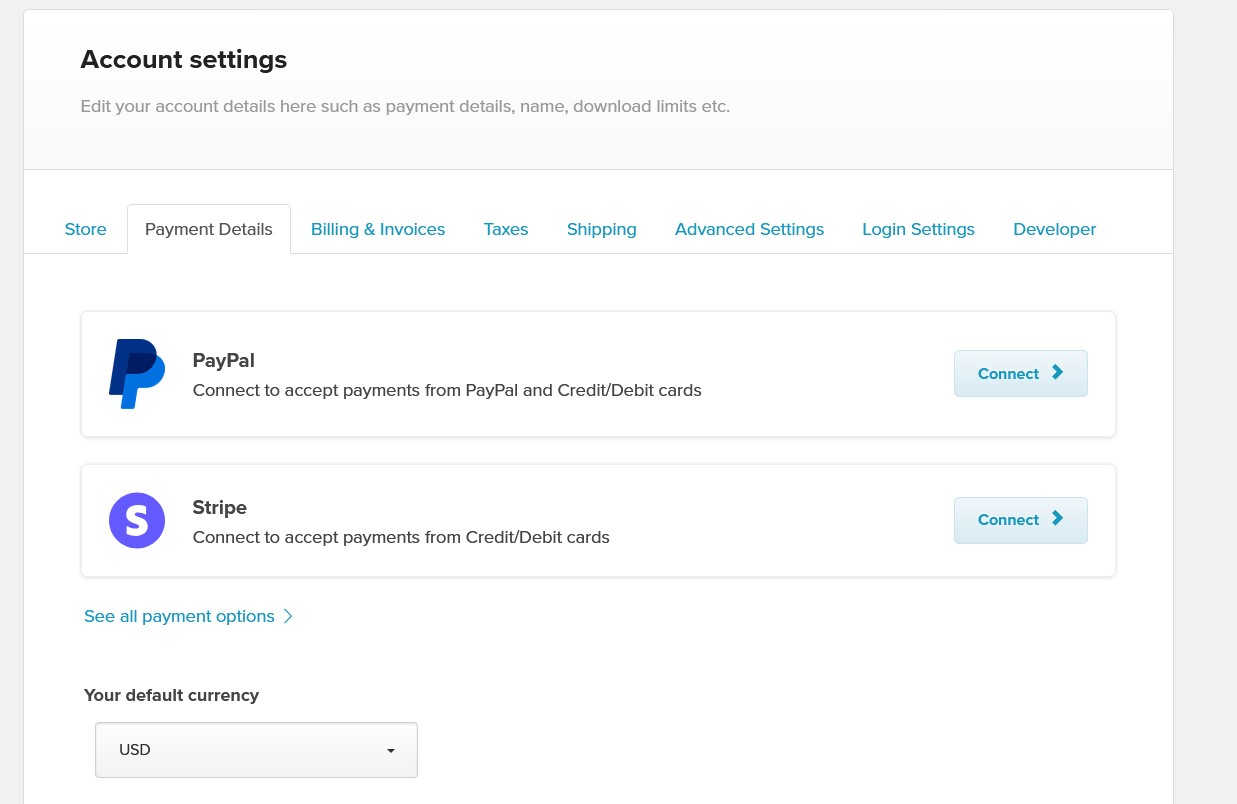
Payhip integrates directly with Stripe and PayPal for payments. This means customers can pay with credit cards or PayPal.
It also supports Apple Pay and Google Pay via Stripe, so buyers on mobile get a one-click checkout. Payouts to sellers are also automatic. Payhip immediately deposits the sale proceeds into your Stripe or PayPal account after each transaction.
Email Marketing
Email marketing is one of the most common local lead generation strategies. However, Payhip's email features are fairly basic — customers can receive product announcements and order updates, but that's about it.
You can also collect email leads and send messages through landing pages or opt-in forms.
That said, most sellers end up connecting Payhip to dedicated email marketing tools like Mailchimp or ConvertKit to unlock full automation and more advanced campaigns.
Analytics & Reporting
In your Payhip dashboard, you get essential sales reports. You can track views, clicks, conversions, and revenue by product.
Built-in analytics let you see which products are selling, where traffic comes from, and overall earnings trends.
However, Payhip's reporting is relatively basic compared to specialized analytics tools or other alternatives like brandID.
VAT & Tax Handling
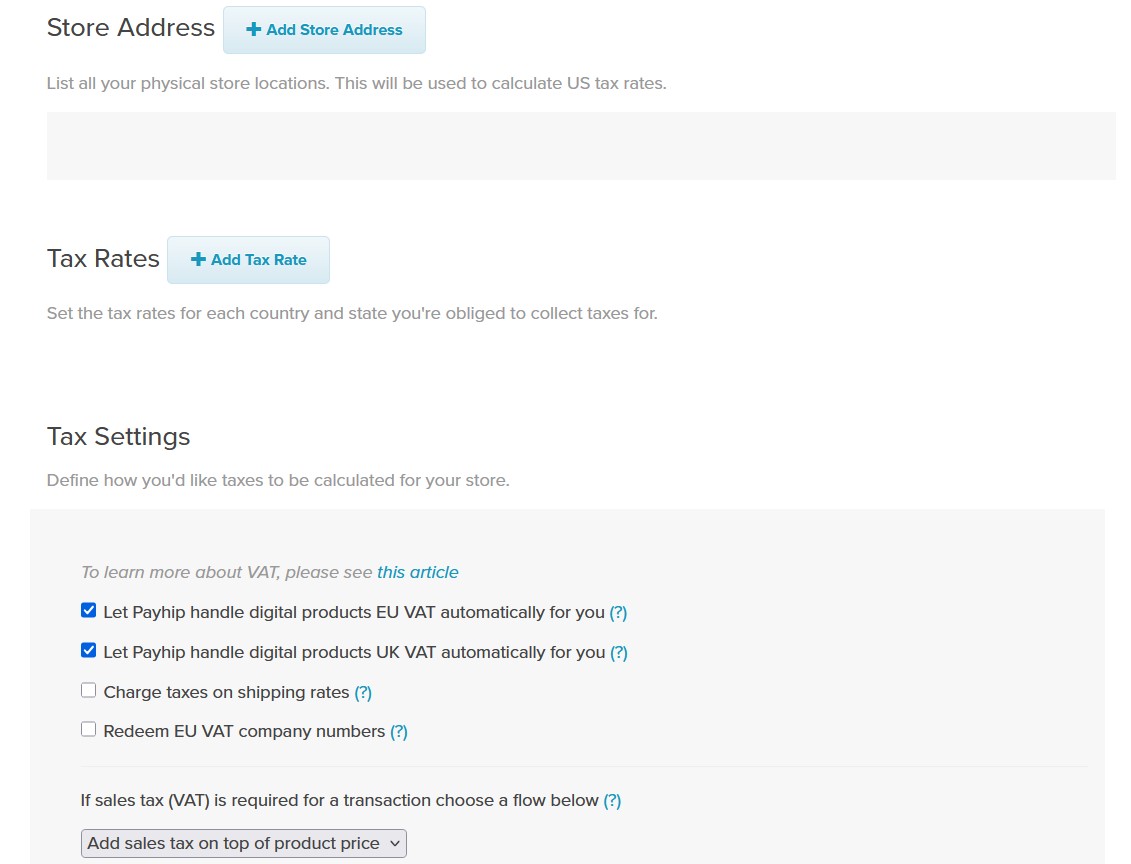
This feature automatically calculates, collects, and remits digital VAT for EU/UK customers on behalf of the seller.
You can optionally set up any other taxes with simple rules. In short, Payhip handles the paperwork of sales tax for digital goods. This is useful for small sellers who might otherwise struggle with international tax rules.
Payhip Pricing
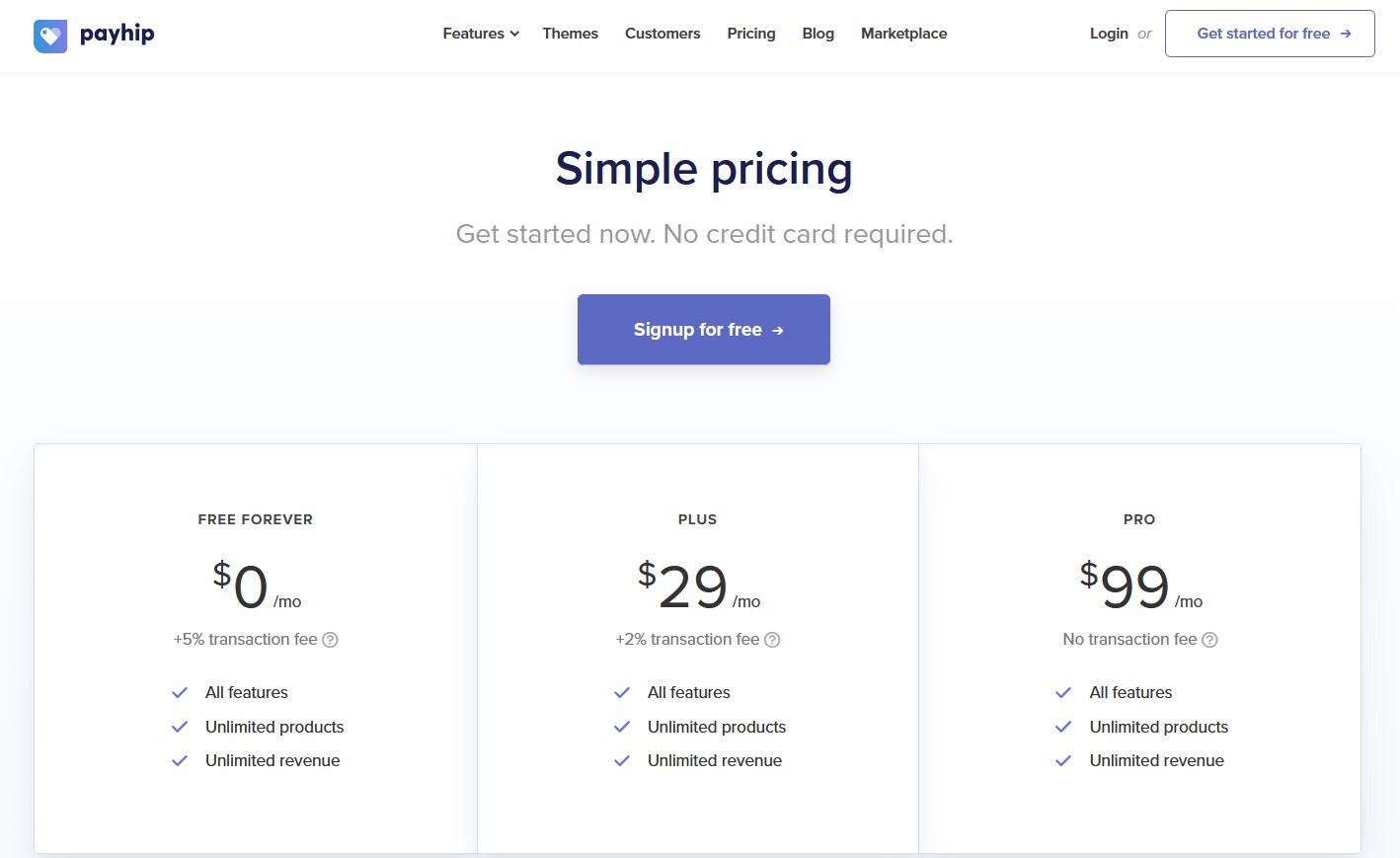
Payhip's pricing offers three plans:
- Free Forever Plan: $0 per month. Transaction fee: 5% of each sale. (You also pay standard Stripe/PayPal fees.) It's effectively a “pay-as-you-go” plan – you only pay when you make a sale. Many users start here to test the waters with no cost.
- Plus Plan: $29 per month. Transaction fee: 2%. This plan reduces the commission taken per sale. The Plus plan is best once you have steady sales and want to keep more profit. The $29 also helps offset Payhip's processing overhead.
- Pro Plan: $99 per month. Transaction fee: 0% (no Payhip fee). This plan removes the platform fee entirely, so you only pay payment gateway fees. The Pro plan has unlimited products and all features.
Payhip Reviews: Customer Feedback
Payhip has an overall 4.5 stars on Trustpilot. However, there have been some critical problems with the platform that we will cover here.
1. Payment processing issues
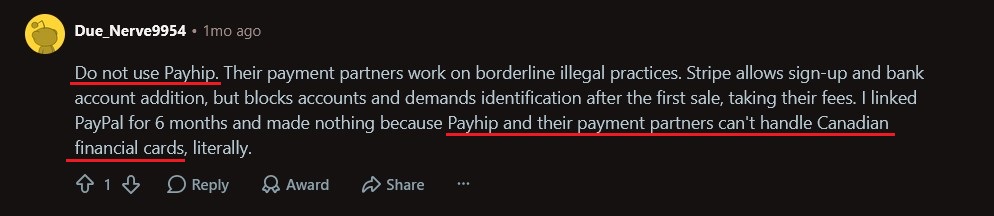
A few users have encountered problems with payments. On Reddit, one seller warned, “Do not use Payhip” after experiencing blocked payouts and identity checks from Payhip's payment partners. He reported that Stripe froze his funds after a sale, and PayPal could not process Canadian cards, resulting in months of zero payouts.
2. Unexpected account freezes
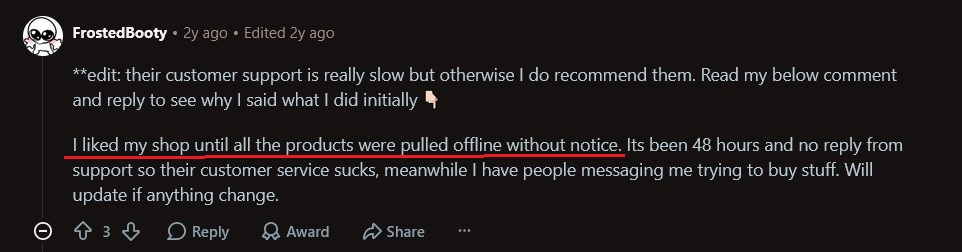
Another issue is account block. Both Trustpilot and Reddit reviews of Payhip include reports of accounts being disabled without a clear warning. For instance, a Reddit user said all her products were pulled offline abruptly, and it took several days to learn it was due to a custom code issue.
3. Limited payment gateways
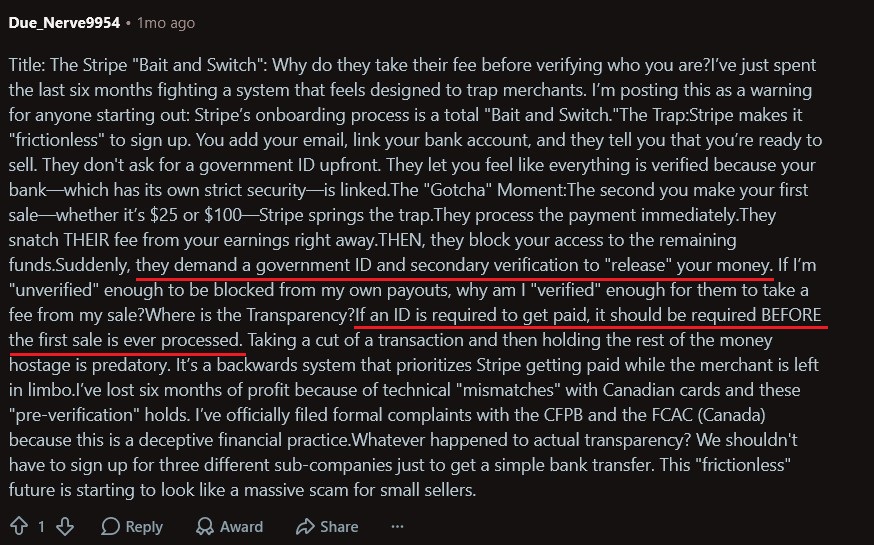
A common negative point is that Payhip only works with Stripe and PayPal for receiving funds. Some users worldwide find that problematic; for example, the Canadian seller's Reddit complaint highlighted Stripe's unwillingness to release funds without extra ID verification, effectively holding up her earnings.
4. Lack of SEO and blogging tools
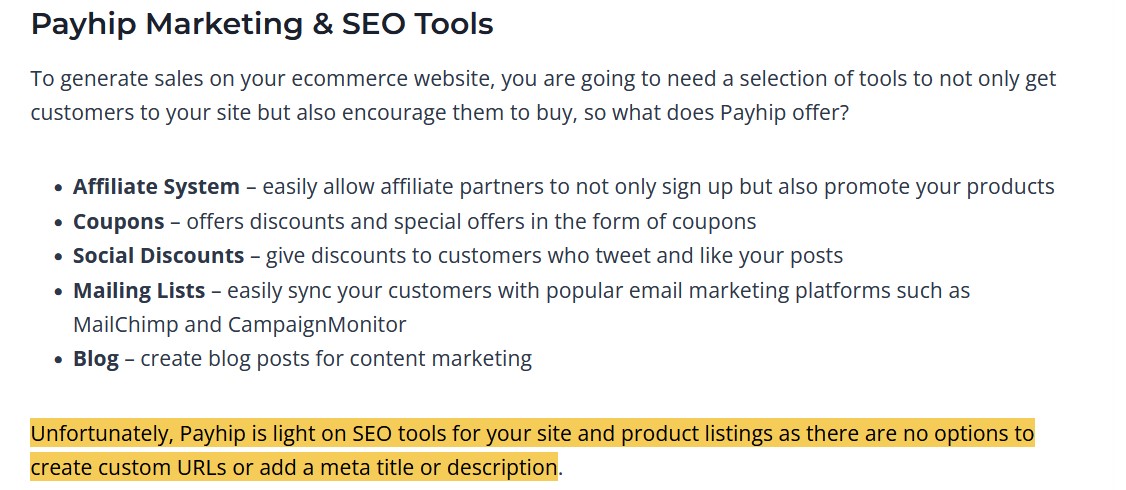
Several reviews and a review website mention that Payhip provides minimal SEO features. You cannot set custom URLs or meta titles on product pages, and there's no built-in blogging platform.
In short, Payhip reviews show that the main customer concerns are slow support, occasional payout or scam fears, and payment gateway limitations. Each of these issues can be serious for a starting business with little time or money to waste.
Payhip Pros and Cons
Now let's have a look at all of the points of this platform and group them into pros and cons for easier comparison:
Pros
- All-in-one ease: Payhip provides an easy place to sell digital goods on one platform.
- Many built-in tools: Even the free plan includes tools like affiliate programs, coupons, cross-selling popups, and integrated VAT handling.
- Flexible products: After learning how to price your products online, you can sell almost anything – digital downloads, courses, memberships, coaching, even physical items – all from the same account.
- Quick payouts: Payhip deposits your earnings after each sale.
- Tax handling: Automatic EU/UK VAT collection and the ability to set other taxes are time-savers for global sellers.
Cons
- Transaction fees: The Free plan's 5% fee (plus Stripe/PayPal fees) can add up. Even on the Plus plan, it's 2%. For high-volume sellers, these fees may be more than flat-price alternatives.
- Limited payment gateways: Only PayPal and Stripe are supported.
- SEO & customization: Payhip's SEO tools are basic. You cannot customize URLs, page titles, or meta descriptions for products and pages.
- Support response: Payhip's support can sometimes be slower than desired, especially on weekends.
- Account holds: In some cases, Payhip's fraud controls have unexpectedly frozen seller accounts or payouts.
In essence, Payhip is good for its all-in-one simplicity and free plan, but its drawbacks are the per-sale fees, a fairly narrow payment method selection, and limited SEO/marketing out of the box.
brandID: The Best Payhip Alternative
brandID is a creator monetization platform that turns a creator's link-in-bio into a full storefront. Using this platform, you can start selling digital products (PDFs, videos, audios, courses, etc.), affiliate items from 5 million products, subscriptions, tips, bookings, etc., built specifically for anyone who wants to monetize across multiple revenue streams from one branded page.
It's designed to be simple, mobile-friendly, and entirely free to start.
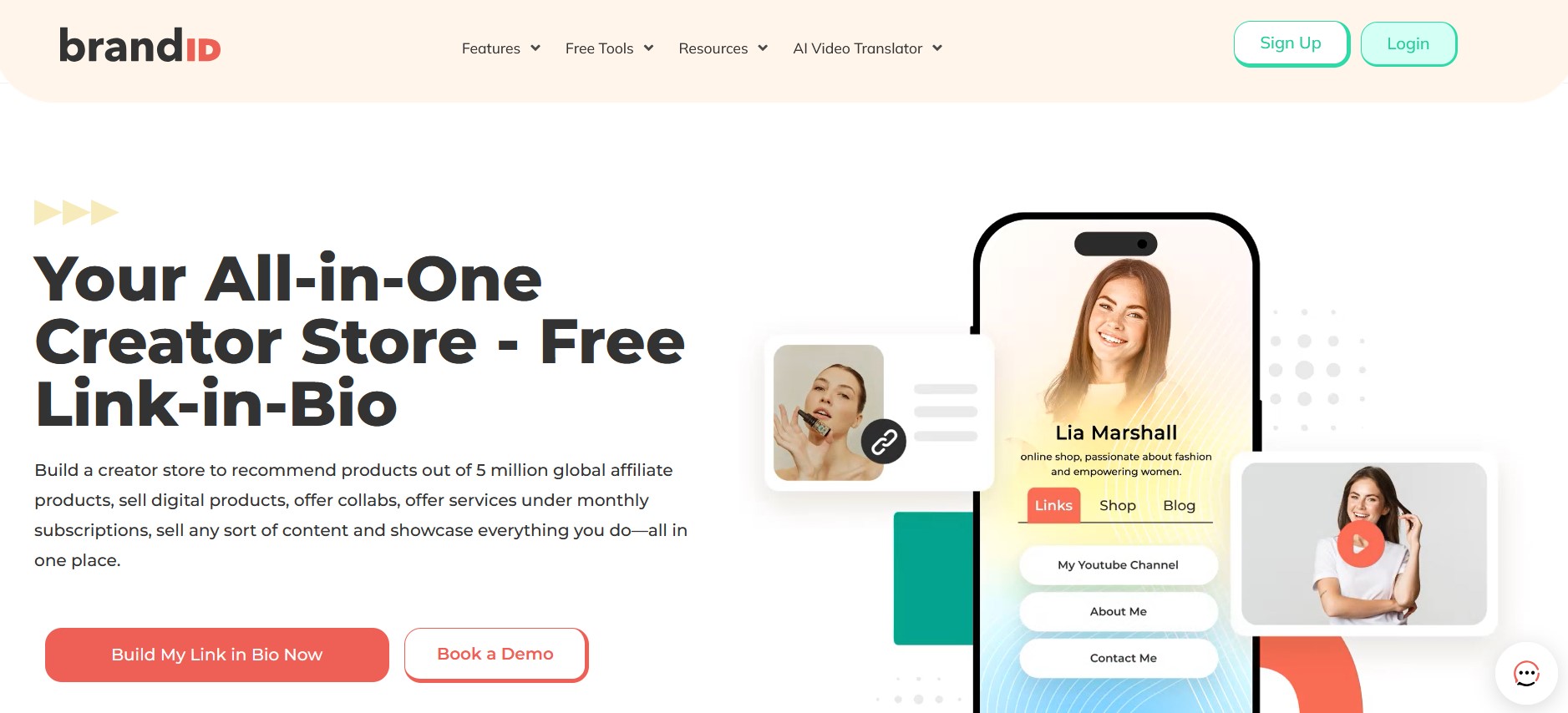
Here are some of the features you can expect from this platform:
What brandID Offers
1. Sell Digital Products (All kinds)
brandID lets you sell a wide variety of digital content directly from your page, including video courses, exclusive clips, music, podcasts, audiobooks, e-books, templates, PDFs, and even services like coaching or design.
2. Free plan
You can create a brandID account for free. BrandID takes a 5% fee on each sale if you connect your own Stripe/PayPal. There are no monthly subscriptions. This is similar to Payhip's Free plan (5%), but brandID never forces you to pay a monthly fee for no-fee transactions, and all revenue sharing is purely transaction-based. This can be advantageous if you have variable sales volume.
3. Subscription and Membership Selling
brandID allows you to create monthly or yearly subscription plans with multiple tiers. Each tier can unlock premium content, exclusive services, or community access.
4. Customization and Branding
brandID offers extensive design flexibility – you can customize fonts, colors, buttons, and layouts to match your brand. Payhip also lets you add logos and some styling, but brandID focuses on graphic design templates and a polished appearance from the outset.
5. Affiliate
BrandID has a strong affiliate infrastructure that will meet all your needs. You get access to over 5 million products from 2,000+ brands across categories like fashion, tech, fitness, and more. You can add these products directly to your page, earn up to 40% in commissions, and receive weekly payouts with no minimum requirement.
6. Booking and Scheduling
Using the built-in booking feature, you can set up a calendar, offer services or appointments, define your pricing, and accept payments. This is especially useful for consultants, coaches, and service-based professionals. Payhip does not include any booking or scheduling functionality.
7. Built-in Analytics
BrandID includes built-in page analytics to track traffic and conversions. You can easily see which part of your site is getting more views and which products must be cut off. You also get lots of detailed information about your customers, which can prove useful in future marketing plans.
8. Digital Billboard Rentals
You can generate passive income by renting out ad spaces on your brandID page to brands or collaborators at your own rates. This turns your page traffic into a monetization channel that Sellfy currently doesn't provide.
Payhip vs brandID
| Feature | Payhip | brandID |
|---|---|---|
| Starting Price | $29/month | $9/month |
| Sales Cap | Yes (plan dependent) | None |
| Affiliate Program | Yes (very limited) | Yes (all plans) |
| Link Management | No | Yes |
| Booking & Scheduling | No | Yes |
| Link in Bio Page | No | Yes |
| Secure Inbox | No | Yes |
| Collect Tips | No | Yes |
| Giveaways | No | Yes |
| Digital Billboard Rentals | No | Yes |
| CRM & Promo Codes | No | Yes |
| Physical Products | Yes | No |
| VAT & Tax Handling | Yes | No |
These are only a few of the many features that brandID provides you with, making it a standout among the best alternatives for digital sellers who want a free, stylish, and easy setup. It covers a big part of what Payhip offers and more in terms of marketing pages.
Other Payhip Alternatives
Three notable alternatives are:
1. Payhip vs Gumroad
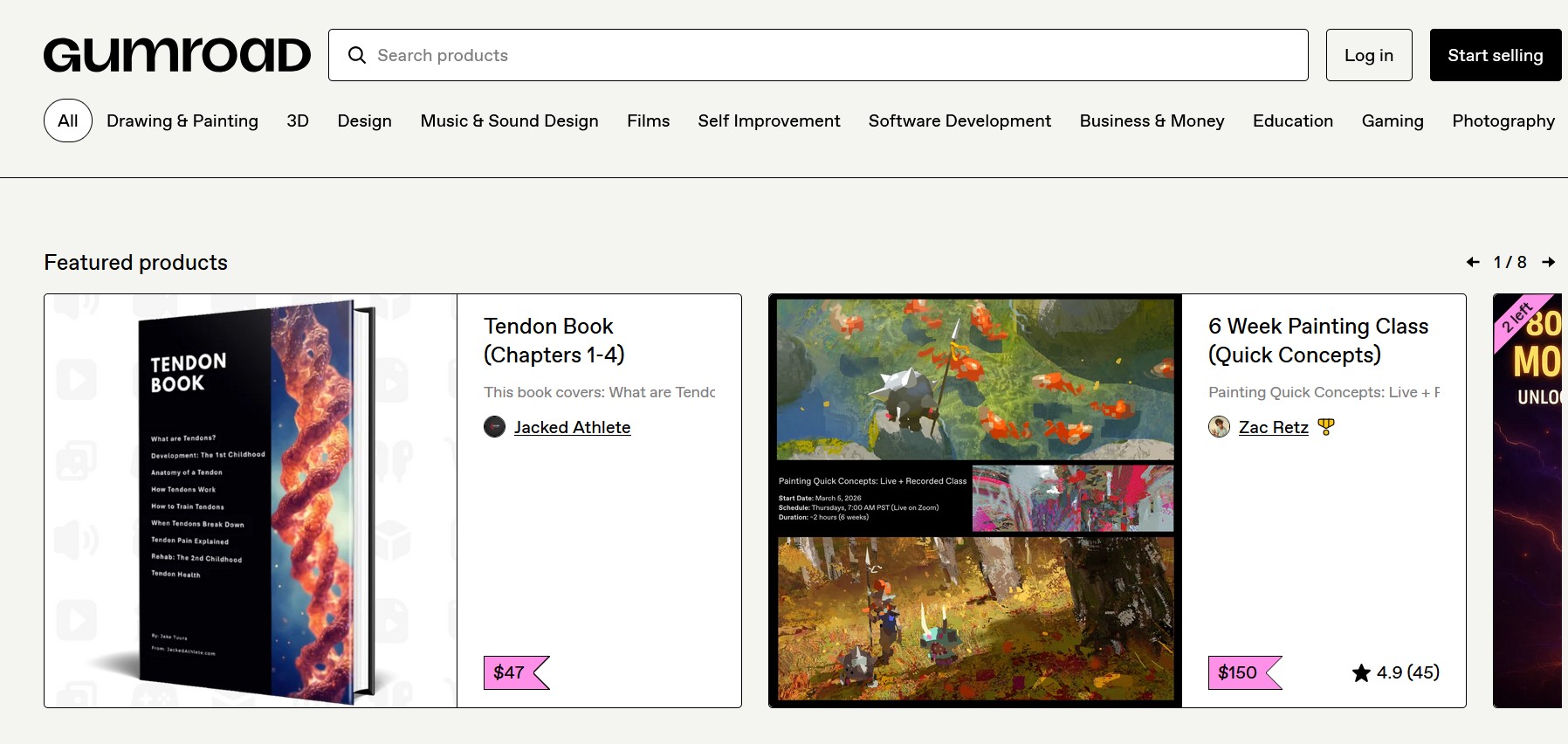
Gemroad is one of the digital marketplaces and a storefront builder on the market. For charges fees, Gemroad charges 10% per sale on its Starter plan +$0.50 from each sale you make.
Gumroad offers a built-in discovery feature where customers can browse products, something Payhip lacks. However, if someone buys a product from this route, you have to pay an extra %30 to Gemroud, which makes it a total of 40% of your sell which is a lot.
Gumroad is one of the tools available if you want a simple setup and access to a creator community, but it's less customizable than Payhip and charges higher fees on beginner plans.
2. Payhip vs Sellfy
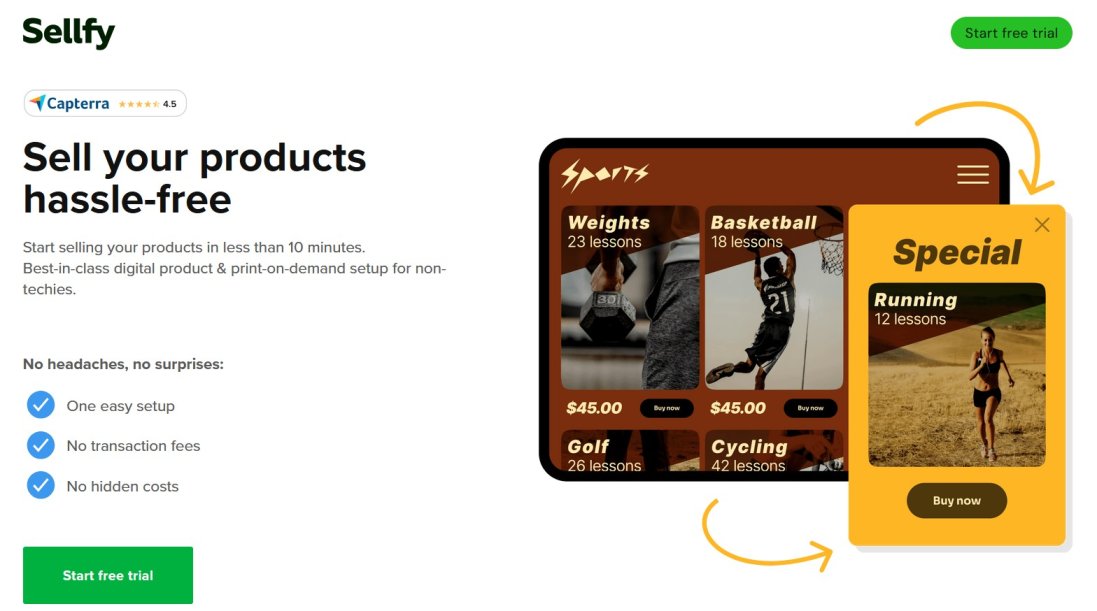
Sellfy is another E-commerce platform aimed at digital creators. It supports both digital and physical products, including print-on-demand items.
Unlike Payhip's free model, Sellfy requires paying a monthly fee. Its pricing is subscription-based, starting from $29/month. It has built-in marketing tools like email, upsells, memberships, affiliate tracking, and a store builder.
Sellfy is an alternative for those who plan to sell physical goods and concentrate on that field because there are better alternatives for digital goods. Read our detailed Sellfy review.
3. Payhip vs Podia
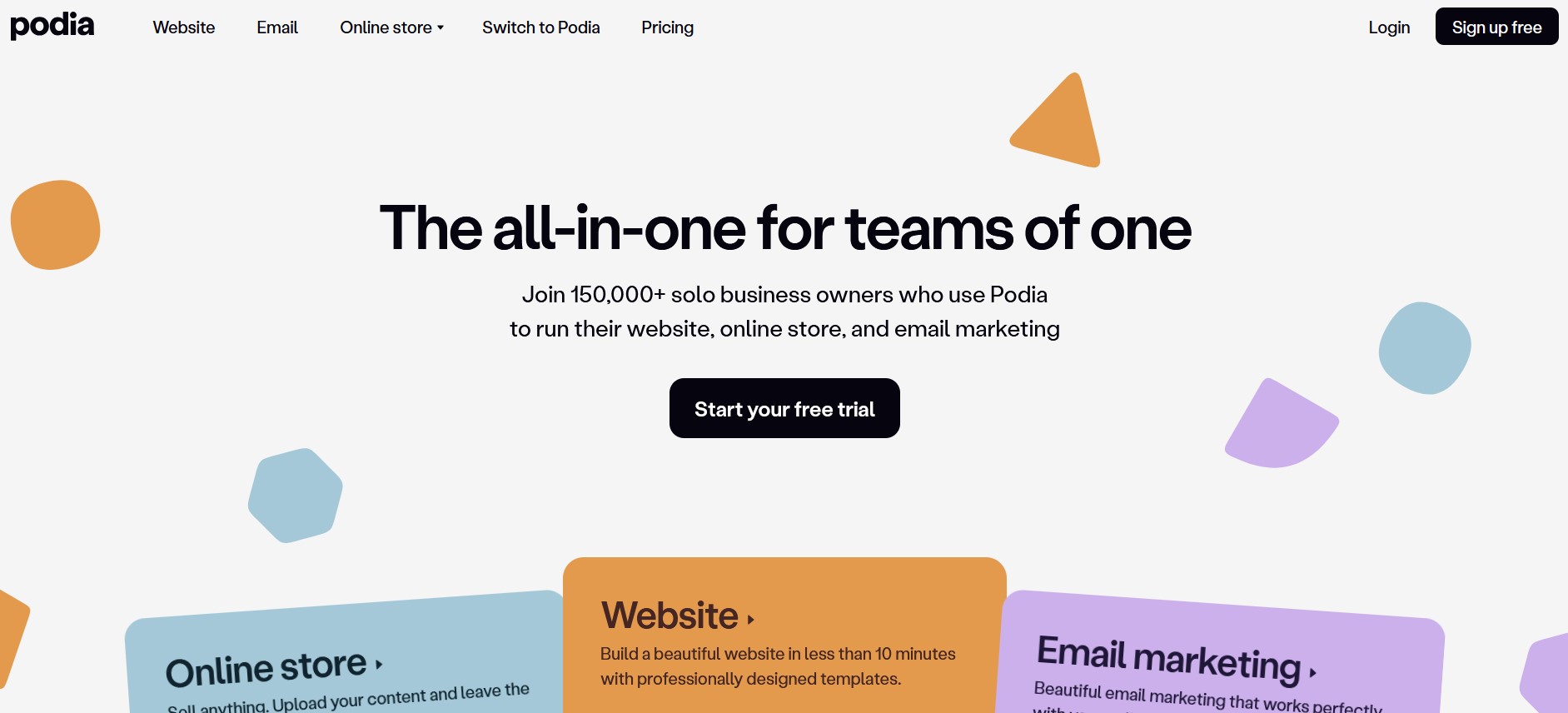
Our next platform focuses on online courses, digital downloads, and memberships. Podia's plans start around $39/month with no transaction fees, making it more expensive upfront than Payhip's free tier.
Podia also includes features like webinars, community chat, email marketing, and bundled membership management.
The main features of Podia are courses and subscriptions, but it does not handle VAT/taxes for you. Podia is one of the alternatives for Payhip that can help those who need features for selling memberships and subscriptions the most.
Conclusion
Payhip is a platform that makes it easy for creators to start selling online with minimal setup. Its strengths are simplicity and flexibility, and it can help lots of businesses start their journey.
However, this has its own price: the 5% fee on the free plan, potential payout delays, and the lack of advanced SEO tools are some of them that can hurt your experience.
A platform like brandID, which offers no membership fees, improved landing pages, and numerous other helpful services like video translation and contact form marketing, can be a good substitute for Payhip.
FAQs
Ready to try the all-in-one Payhip alternative?
Start with brandID — Free