If you have been googling how to sell real estate and still feel invisible online, it might be time to rethink your online marketing strategy. The key to success lies in mastering digital tools and leveraging social media. As a realtor, you need a strategic approach to managing listings and leads. That’s where brandID comes in. It helps you centralize your social media traffic, providing a one-stop hub to showcase listings, contact details, key links, and more, all designed to convert.
Selling real estate online successfully requires innovative strategies, and brandID offers one of the best real estate lead generation ideas to help you connect with more potential buyers. With brandID’s mobile-friendly and easy-to-set-up landing pages, you can effortlessly drive more engagement, track your marketing efforts, and ultimately close more deals faster, all while staying organized and professional.
If you are interested in learning, keep reading to find out more about effective ways to sell real estate online and leverage helpful digital tools like brandID to grow your real estate business in 2026.
1. Use The Power of Social Media
Social media is now a core sales channel, not a “nice to have,” for any agent focused on selling real estate online. According to the National Association of Realtors (NAR), 75% of Realtors use social media to generate leads, and roughly 37% of buyers find their agent online, surpassing traditional referrals. That means your Instagram, Facebook, LinkedIn, or TikTok profiles are often the very first showing of your brand.
These platforms let you showcase real estate listings in real time, build trust and authority with market insights, and stay top of mind every single day. Social media also serves as a digital referral engine, as past clients can tag you, share your posts, and introduce you to their networks. On top of that, built-in analytics show exactly which posts and promotions generate the most engagement, so you can refine your data-driven strategy instead of guessing.
Best Social Media Platforms To Sell A House Online
When it comes to choosing where to focus your time, the best social media platforms are those where most real estate pros and potential buyers are already active and engaged. Here are the top social platforms for real estate agents, ranked by how widely they are used in the industry:
1. Facebook
Around 87% of realtors use Facebook for business, making it the most widely used social platform in the industry. It is ideal for business pages, local groups, event promotion, open house invites, and targeted ads in specific neighborhoods.
2. Instagram
Approximately 62% of realtors use Instagram, and it delivers some of the highest engagement rates for real estate, with an average engagement rate of roughly 3.7% across the industry. Its visual nature makes it perfect for listing photos, Reels, Stories, and behind-the-scenes content that helps buyers connect with both your properties and your personality.
3. LinkedIn
Roughly half of realtors use LinkedIn for professional purposes, and NAR reports that %55 maintain a presence there. If you work with investors, luxury clients, or relocation buyers, LinkedIn positions you as an expert and promotes thought leadership.
4. YouTube
There is still significant potential in YouTube, but it remains underutilized. Long-form video tours, neighborhood guides, and how-to sell real estate online playlists can work for you in search results, attracting motivated buyers who are actively researching their next move.
5. TikTok
Only about 15% of realtors use TikTok for business right now, leaving early adopters plenty of room to stand. Additionally, TikTok’s algorithm helps your videos find new audiences well beyond your current followers.
How to Sell Real Estate Using Social Media (10 Key Strategies Explained)
Here are the top 10 strategies realtors can use to turn social media into a dependable lead machine:
- Define your ideal client and create content that speaks to their specific goals and fears.
- Treat your profiles like mini websites that clearly communicate who you are and what you offer. Add a helpful link, contact info, and a clear value proposition.
- Share helpful, educational, step-by-step posts that walk people through the process of selling a house, from pricing to closing. If people find your posts useful and valuable, they will trust you more. That’s why you should also focus on sharing your experience and knowledge, so online visitors can pause scrolling to see you as a trusted and reliable person in the real estate industry.
- Use carousels or short-form video to showcase listings, local hotspots, and quick tips that position you as the go-to local expert.
- Turn every post into a funnel by adding strong calls to action, such as “DM me,” “Join my email list,” or “Book a call.”
- Use link stickers to add links to Instagram stories that drive traffic directly to listings or lead magnets.
- Share testimonials and reviews to build credibility and social proof.
- Engage daily. Reply to every comment and DM, and leave thoughtful comments on local and niche accounts.
- Run retargeting ads to people who watched your videos or visited your website to stay in front of warm prospects.
- Track what works by reviewing platform analytics weekly and doubling down on the formats and topics that generate saves, shares, and inquiries.
Create an Impactful Listing on brandID
The biggest challenge for realtors is juggling different online platforms with no centralized hub to organize key links, listings, and lead magnets. Many agents end up manually updating bios, buttons, and featured posts in each app, which takes up a lot of time. It is also hard to build an email list when you only have one short bio line to explain who you are, what you do, why you are credible, and where people should click. On top of that, tracking analytics across scattered channels and maintaining consistent personal branding wastes time that could be spent serving clients.
brandID solves this by offering one of the easiest link-in-bio tools, designed specifically for realtors and real estate agents. In just a few clicks, you can launch a mobile-friendly landing page that highlights your latest listings without touching a single line of code. The brandID’s easy drag-and-drop design tool and premade templates make it simple to add photos, carousels, videos, and engaging lead magnet forms. Additionally, you can link to relevant pages in your listing to drive traffic to pages that matter to you. This way, interested visitors can request a home valuation or book a call on the spot.
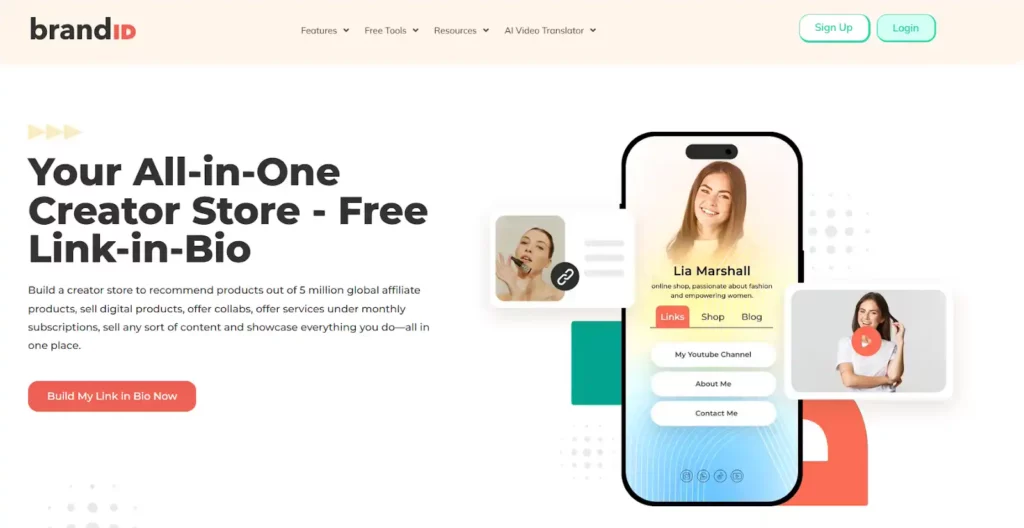
brandID acts as a social media traffic aggregator by pulling clicks from Instagram, TikTok, Facebook, and more into one smart hub, while its built-in analytics and marketing tools show which links, offers, and campaigns are converting so you can double down on what works.
How to Create Your Real Estate Listing on brandID (Step-by-Step Guide)
- Go to brandID.app and sign up for Free
- Pick a brandID domain that matches your real estate agency’s name. You can change it later if you need to.
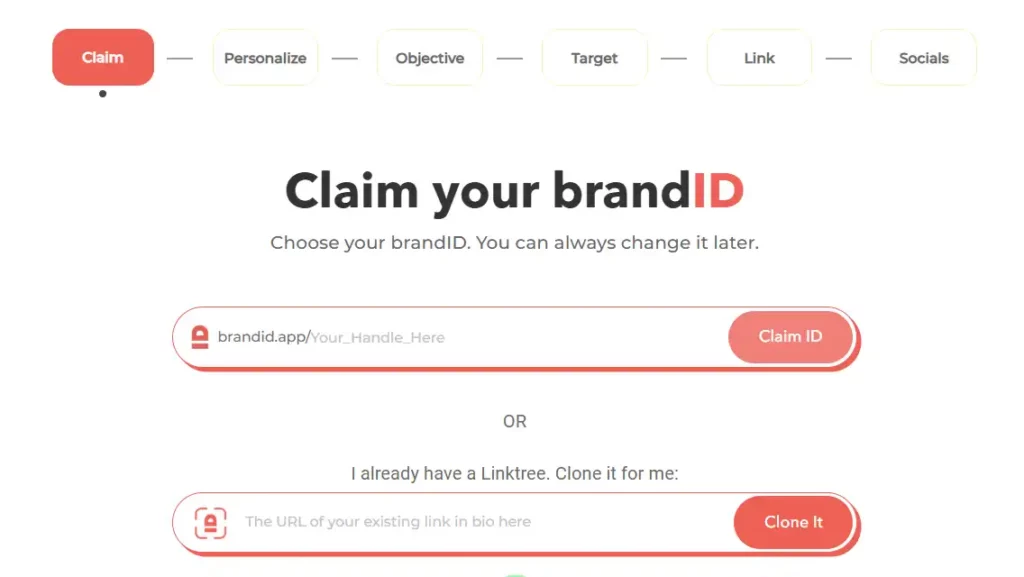
- Next, upload a clear profile photo, then add a catchy title and a short bio that quickly tells visitors who you are and what you do.
- Define the main goal of your brandID landing page. Think of it as your smart link-in-bio hub that guides your audience to all your listings, socials, and contact options in one branded and centralized hub.
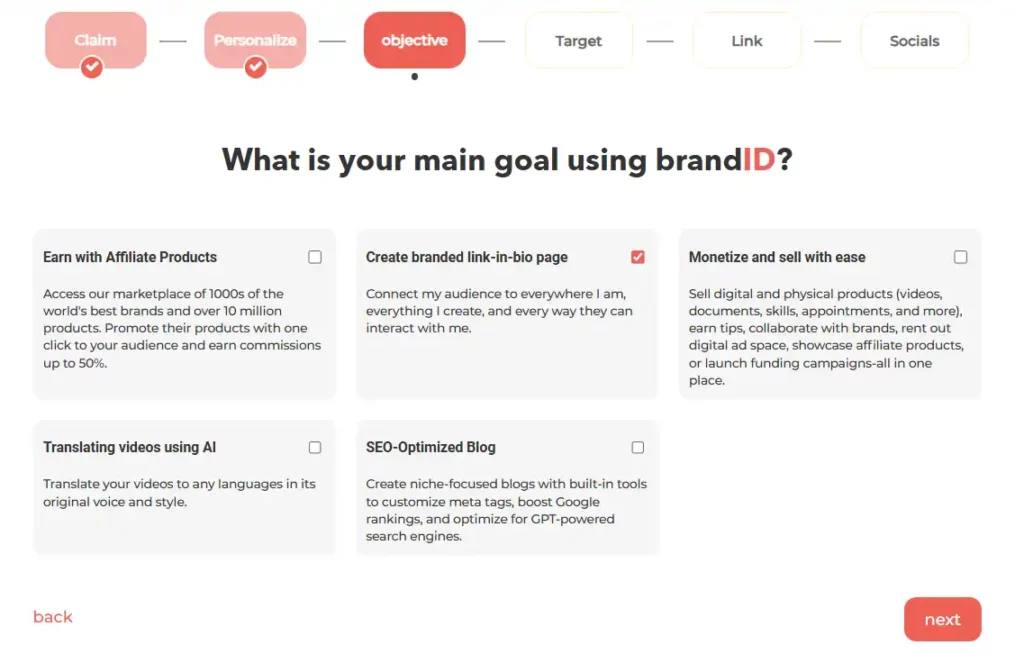
- Then choose to create a business page in the real estate industry and click Next to continue.
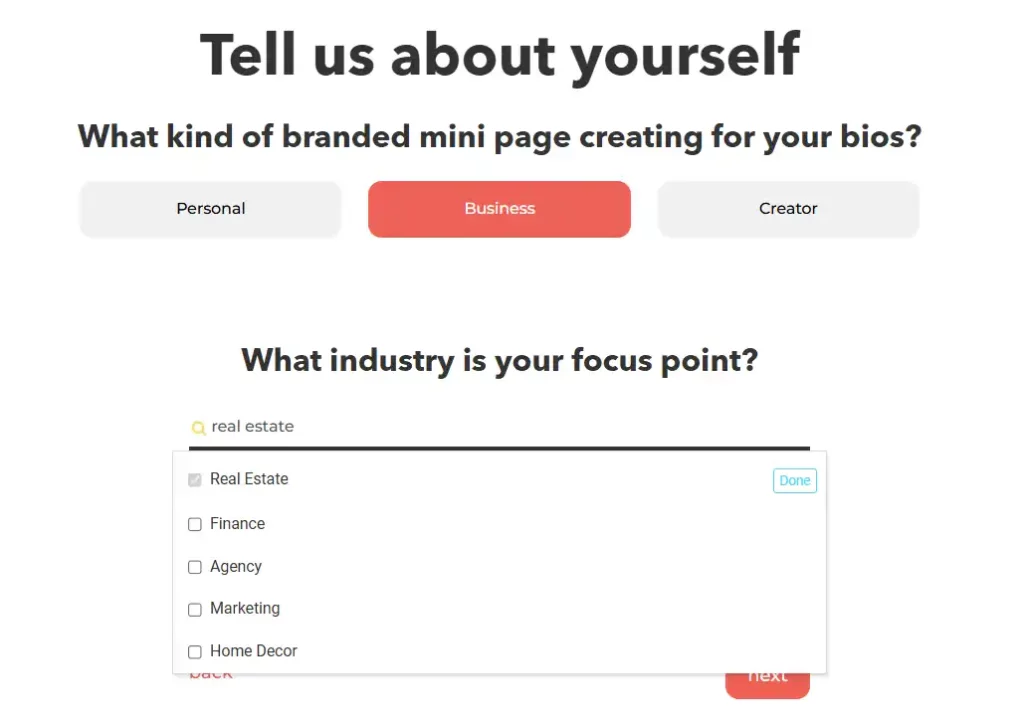
- You can choose from ready-made real estate templates or start with a blank layout to build your branded landing page from scratch. If you want a more polished, custom design, you can also request a real estate page from brandID’s professional graphic designers. With brandID, the entire process is simple, straightforward, and efficient for you.
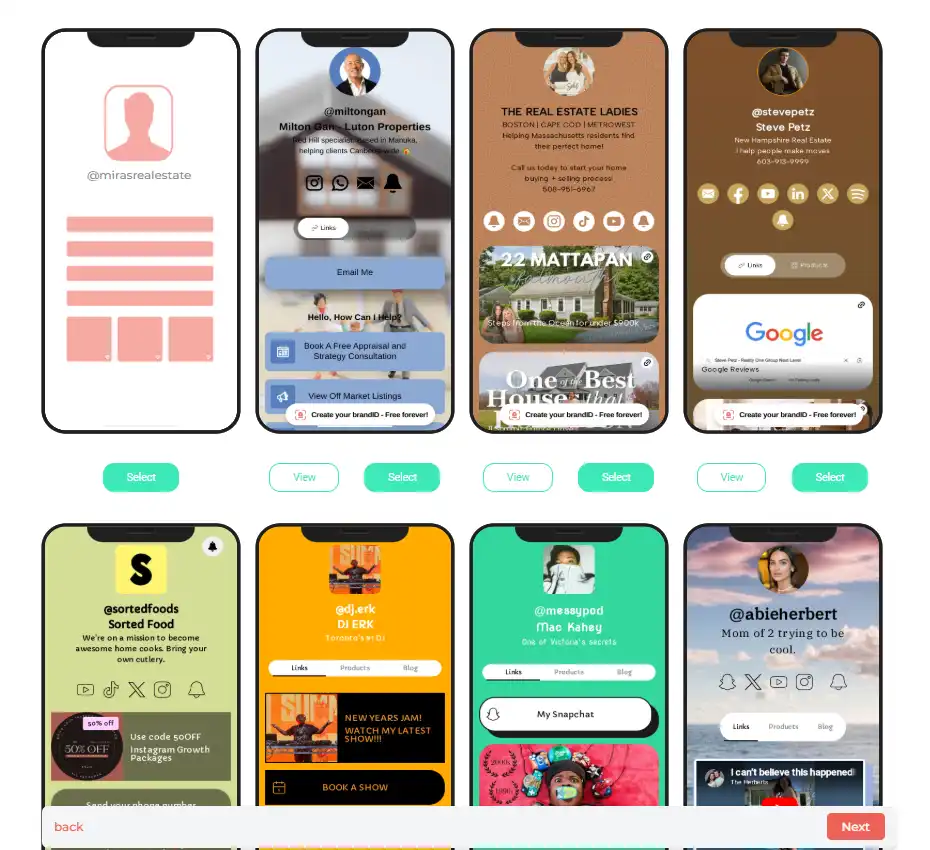
- Then, add your essential links, social profiles, emails, or website. Remember that you can change or add more links to your brandID page later.
- Your brandID real estate page is now live. From your brandID dashboard, you can easily edit your page, upload photos and videos of your listings, link them to your website, update your contact details, and showcase all your important content, links, and info in one place.
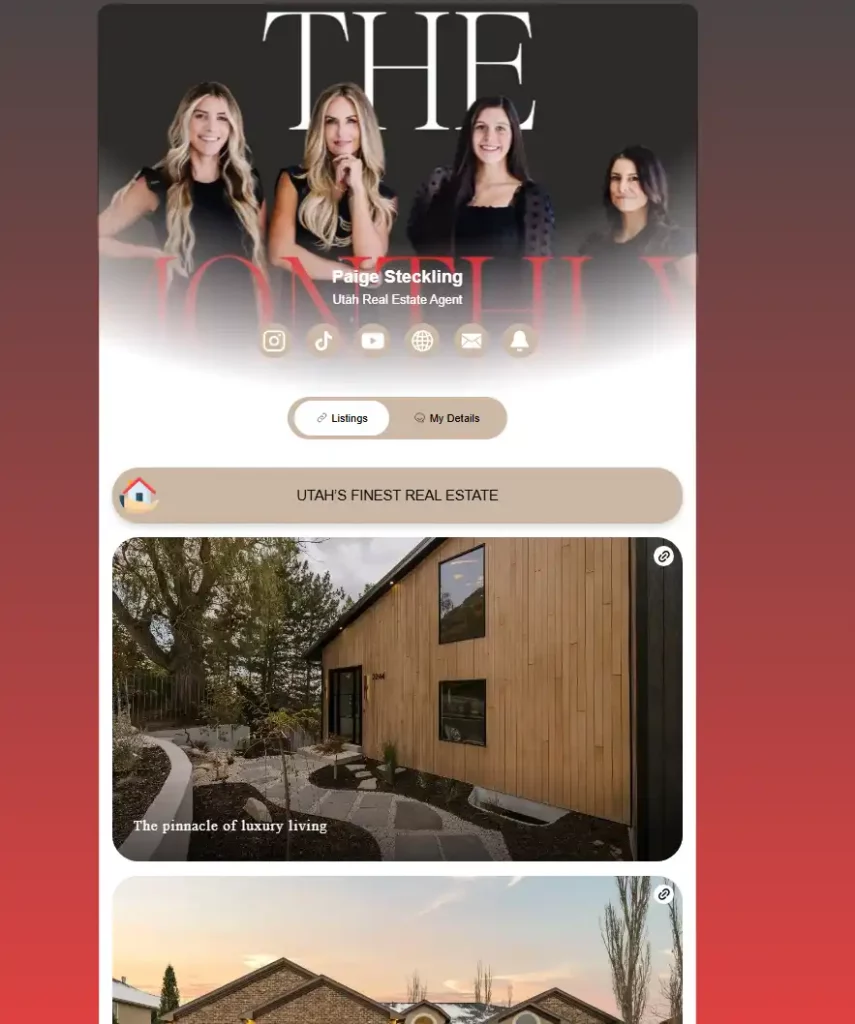
For example, take a look at this real estate brandID page. With such an organized and well-designed real estate landing page, all your listings, details, and contact info will appear in one professional, mobile-friendly hub. Prospects can tap on each photo to learn more and contact you in seconds, helping you convert social media traffic into more calls, leads, and closed deals.
Essential Elements to Include in Your Real Estate brandID Landing Page
A well‑designed link‑in‑bio page acts like a mini‑website—it’s a single, mobile‑friendly hub where potential buyers and sellers can quickly learn about you, view your current listings, and get access to your contact information. Link in bio platforms like brandID simplify this process by providing a comprehensive, centralized hub that lets you add a link to your TikTok or Instagram bio and drive online traffic to a high-converting, customized landing page. Here are essential elements of a real estate brandID landing page:
1. Give Buyers And Sellers More Ways To Get in Touch with You
Putting your contact details on your brandID page is essential. However, just dropping a phone number and email address will not do much to start real conversations or turn visitors into clients. Instead, you should provide several ways for people to reach your real estate agency. For example, many Gen Z buyers will ignore an unexpected phone call, yet they may happily message your team on WhatsApp or join a scheduled online chat.
2. Engage Your Audience with Compelling Visuals
With brandID, real estate agents can create visually appealing landing pages that truly reflect their brand identity. Customize your page with niche-specific templates, fonts, and colors to match your agency’s brand. Use hero images, thumbnails, carousels, and embedded videos to highlight listings, showcase your expertise, and engage potential clients. Plus, with mobile-friendly designs optimized for social platforms like Instagram and TikTok, your brand stays consistent and professional across all of your channels.
3. Use brandID’s Built-in Analytics to Track Performance
To achieve stronger engagement, real estate agents can employ brandID’s analytics to analyze landing page views, top-performing links, and audience activity times. Through detailed insights and integrations with advanced analytics tools like GA4 and Facebook Pixel, brandID helps agents refine their digital strategy, attract leads, and close more deals.
2. Collaborate With Influencers
Working with influencers can help real estate agents reach more people and build trust faster. When you think about how to sell real estate online, teaming up with local content creators and influencers like interior designers, DIY/Renovation experts, or popular community pages lets you borrow their audience. Their followers already listen to their advice, so a simple home tour, review, or shout-out can make home buyers and sellers feel more comfortable checking out your listings.
To run more successful influencer marketing campaigns, realtors should select influencers whose followers align with their ideal buyers, set clear goals for each collaboration, and agree on the message. Agents should also include clear CTAs, track results with special links, share the best videos and posts on their own pages, and try to build long-term partnerships rather than doing just one post and walking away.
3. Price Properties Right from the Start
First, get to know your local market. Look up recent home sales in the MLS and pick houses that are similar in product description, such as size, condition, and location. Then adjust your price if your listing is a little nicer or needs more work. This helps you understand how to sell real estate at a price that attracts buyers rather than repels them.
Consider yourself a buyer as you walk through the home. Discuss the necessary repairs and what makes the property special. Finally, monitor online requests closely for the first two weeks. If many people click, save, and book home tours, stay confident about the price. If interest is low, adjust it quickly. This simple plan keeps the process of selling a house on track while protecting your client’s bottom line.
4. Advertise Online to Reach Potential Buyers
Paid ads help realtors reach the right people quickly. Instead of hoping an Instagram or TikTok post goes viral, you can choose who sees your ad based on location, interests, or income. This strategy makes selling houses online smoother and easier to manage. When your ads look and feel like your regular posts, potential buyers are more likely to recognize your name and click on your listings.
To run effective ad campaigns, real estate agents should set a clear goal for each ad and direct viewers to a landing page that highlights bright photos or short video tours. It also helps follow each platform’s rules and track key metrics such as clicks, messages, and cost per lead. Over time, these statistics and data show which ads are working best, so you can spend more on the ones that attract serious buyers and sellers.
5. Negotiate Offers and Counteroffers
When offers come in from your online listings, your job as a negotiator really begins. A competent agent does not just look at the price. You also check the buyers’ conditions, their closing date, and if they are fully pre-approved. This is a key part of starting to sell real estate as an agent: you learn to identify which offers are strong and which may cause problems later.
To handle negotiations well, you need to stay calm and clear. Show your seller each offer side by side and explain the pros and cons in plain terms. Let them decide whether to accept, reject, or make a counteroffer that changes the price, timing, or terms. With e-signatures and online document tools, you can move quickly so serious buyers do not lose interest while your seller considers their options.
Conclusion
Learning how to sell real estate online in 2026 starts with treating social media as your primary showroom, not a side project. From Facebook, Instagram, LinkedIn, YouTube, and TikTok to smart pricing, targeted ads, and effective influencer collaborations, the goal is simple: attract the right leads, guide them through clear steps, and use data to focus on what actually generates calls, clicks, and deals.
brandID helps you execute that plan by turning scattered social media traffic into a targeted, high-intent audience. With a professionally designed centralized hub for listings, contact info, engaging lead forms, and more, you make it easy for visitors to take action on any device. Additionally, brandID’s analytics reveal which content and campaigns bring real inquiries, so you can refine your strategy, follow up faster, and keep selling real estate with a data-driven approach. Sign up on brandID for free and turn your social media traffic into real estate leads that actually convert.
FAQs
Selling real estate online can be very fast because you can show your listing to many people right away. Virtual tours and clear photos let buyers walk through the home on their phone or laptop, so only the most interested ones ask for a real visit. Online ads also help you reach the right buyers instead of waiting for them to find you on their own.
Also, e-signatures and online closings replace slow paperwork and in-person meetings. Simple pricing tools on sites like Zillow can show you recent sales in your area, so you can pick the right price from the start and get good offers more quickly.
There is no single right number of homes a realtor should sell each year, but the averages give a helpful benchmark. Most agents close between 5 and 12 homes annually, while many first-year agents close 2 to 5 homes as they learn the ropes. A small group of top real estate agents sells dozens of homes each year.
A better way to think about it is this: your target number should match your income goals, market size, and how serious you are about selling houses as a real estate agent. If you are below the 5-12 range, focus on improving your digital marketing, follow-up, and online presence. If you are already in that range, set a plan to increase your volume each year rather than chasing unrealistic 100-deal expectations right away.
 Summarize this article with: