Makeup is the single biggest sub-category of beauty by affiliate spend, and the rates reflect it. Top makeup brands pay 8 to 15 percent per sale, cookie windows run 7 to 90 days, and the audience is already primed to click. The problem? Most “best makeup affiliate program” lists mix in skincare, haircare, and fragrance to pad the count. This one does not.
What you get below is 15 cosmetics-only programs (eyeshadow, lipstick, foundation, mascara, nail polish, concealer, brushes, palettes). Skincare, perfume, and hair care sit in the wider list of best beauty affiliate programs if your audience leans broader.
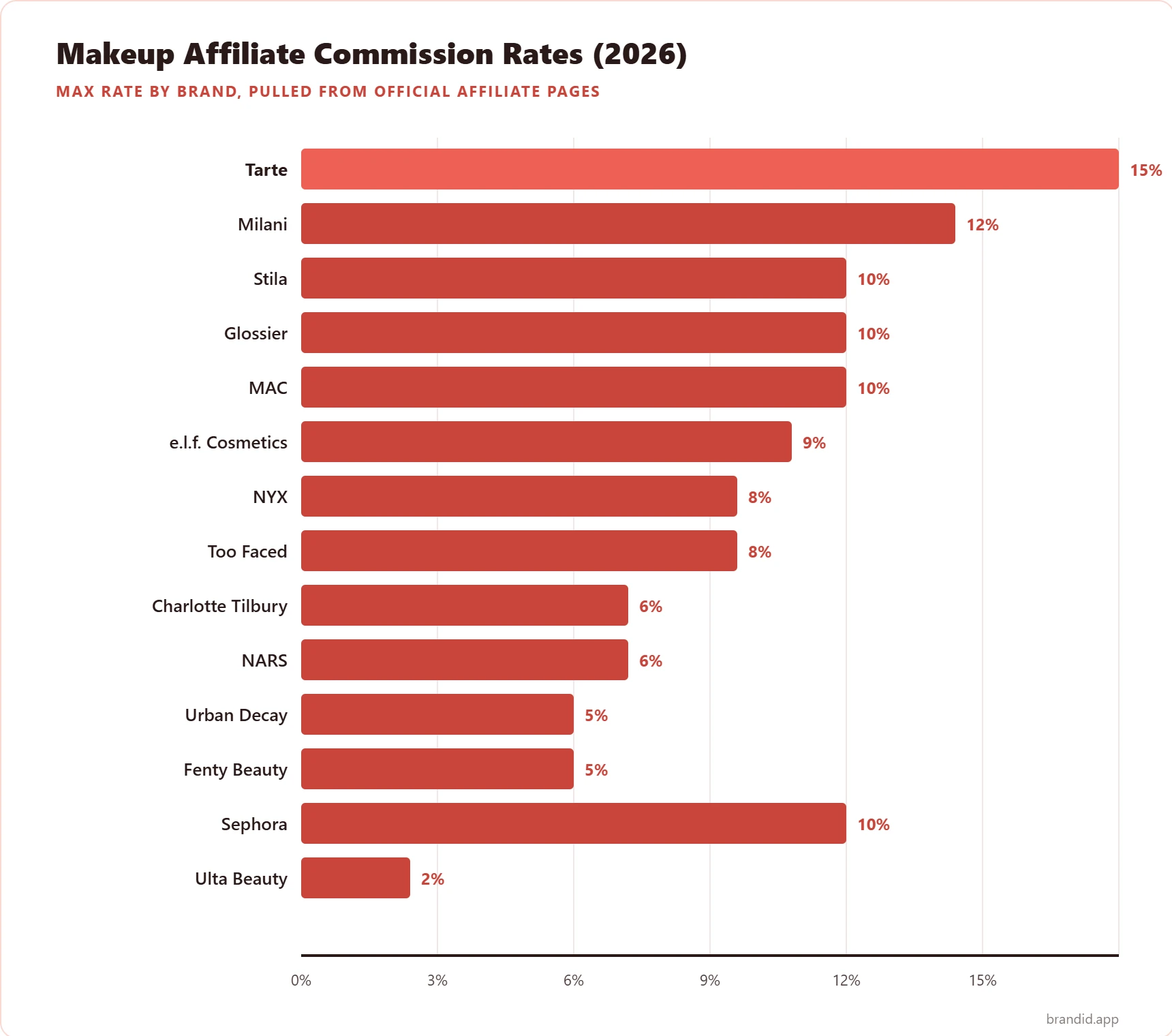
Each program below has real commission data (not the vague “up to” numbers in most roundups), cookie windows, who it best fits, a Verdict line, and a short note on where to apply. The infographic right under this intro ranks all 14 by max commission at a glance.
Key Takeaways
- Makeup affiliate programs pay 2 to 15 percent per sale: Tarte and Milani lead on commission. Ulta pays the lowest at 2 percent but makes up for it with brand variety.
- Best makeup affiliate program for your account depends on audience fit: a 15 percent rate on a brand your audience never buys from converts worse than a 5 percent rate on a brand they trust.
- Cookie windows on makeup affiliate programs range from 7 days to 90 days: longer windows (30 to 90 days) convert better for tutorials and GRWM content that gets rewatched; shorter windows suit live shopping and TikTok-driven impulse buys.
- Cosmetics affiliate programs sit under the broader beauty category: but drugstore makeup, prestige makeup, and marketplace retailers each pay and brief differently. Pick one tier and lean in.
- Highest paying makeup affiliate programs for beginners are drugstore brands: e.l.f., Milani, and NYX approve applications fast, pay 8 to 12 percent, and attract audiences that convert without needing a huge following.
What Counts as a Makeup Affiliate Program
This list is strictly color cosmetics: eye makeup, lip products, face makeup (foundation, concealer, powder, blush), brushes, palettes, and nail products. If a brand is primarily skincare, haircare, fragrance, or supplements, it is not here (even if it technically sells one lipstick as a line extension).
Why? Three reasons:
- Commissions and cookies differ. A makeup affiliate program typically pays higher commissions and uses shorter cookies than a skincare one, because makeup is more impulse-driven and buyers convert faster.
- Content formats differ. Makeup content is swatches, GRWM, and tutorials. Skincare is routines and before-afters. Fragrance is unboxings. Each format needs different brands.
- Audience trust differs. A beauty creator’s audience trusts them for a specific niche. Mixing programs across all four sub-categories dilutes conversions by splitting the recommendation signal.
15 Best Makeup Affiliate Programs for 2026
Grouped by tier: Prestige (established luxury brands), Drugstore and Mid-Tier (DTC and mass-market), and Marketplace Retailers (multi-brand platforms). Pick the tier that matches your audience’s price point.
Prestige Makeup Affiliate Programs
High-end makeup brands trusted by luxury-leaning beauty audiences. Longer cookie windows, slightly lower rates, bigger average orders.
1. Tarte
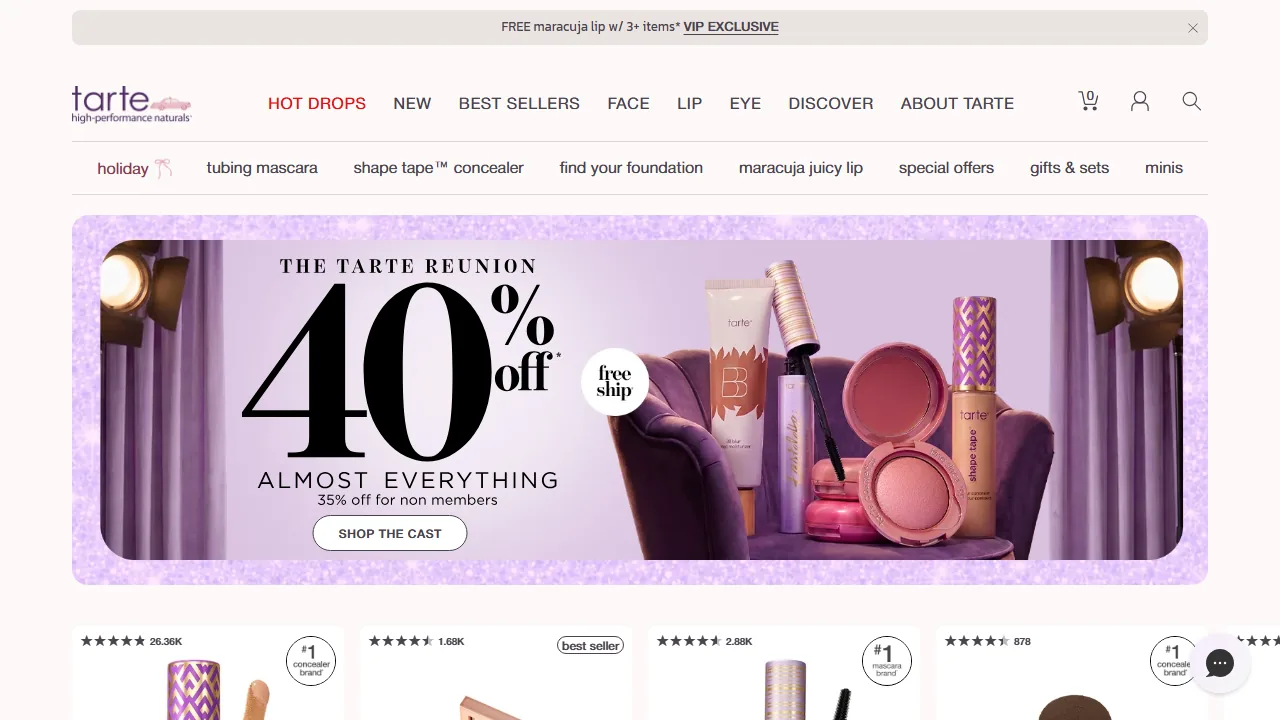
Tarte is a clean, cruelty-free prestige brand with a cult following around the Shape Tape concealer and Amazonian Clay blush line. The brand runs its affiliate program through ShareASale and historically pays one of the highest rates in makeup. The 30-day cookie is generous enough for tutorial content that gets rewatched weeks after upload.
Verdict: Tarte is the highest-paying makeup affiliate program on this list, and it is the easiest yes for creators whose audience already shops prestige makeup.
2. Charlotte Tilbury
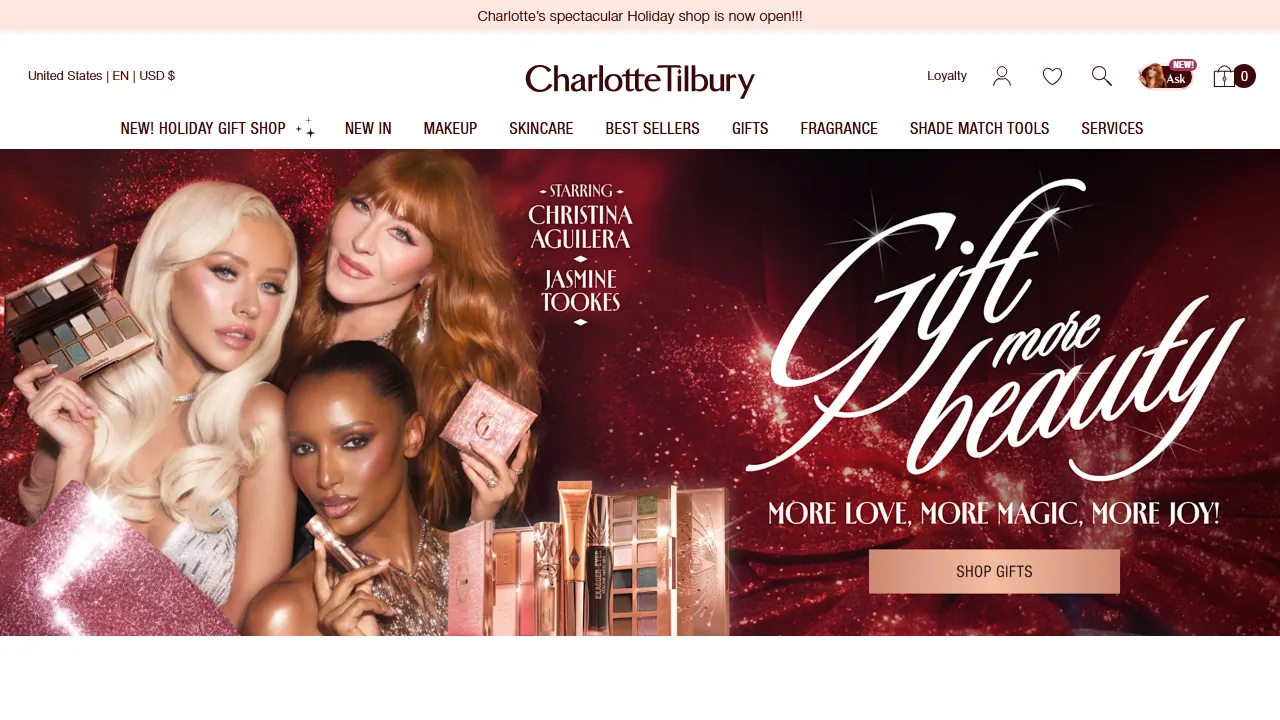
Charlotte Tilbury is a British makeup brand that practically owns the “glamorous evening look” niche. Average order value sits around $70 to $120, so even a 6 percent commission translates to $4 to $7 per sale. The affiliate program runs through Rakuten.
Verdict: Charlotte Tilbury pays a lower rate than most drugstore brands, but the premium pricing closes the gap, and it fits creators who already shoot content with Pillow Talk and Magic Cream.
3. MAC Cosmetics
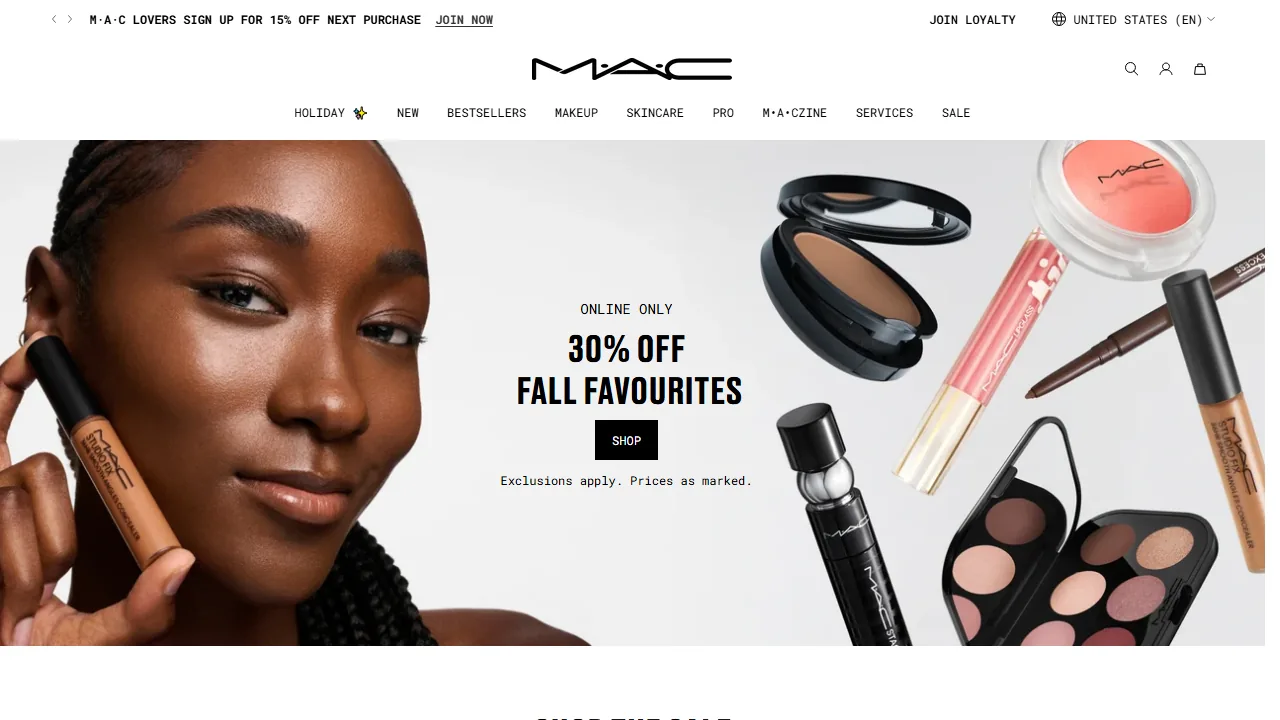
MAC is the industry-standard pro brand. The affiliate rates vary by network (some report 4 percent, others as high as 10 percent on specific collections) and the 7-day cookie is the shortest on this list. If your audience is pros or editorial creators, MAC still pays well even at the lower end of the range.
Verdict: The short cookie makes MAC a worse fit for tutorial content, but it is a strong choice for live-event or editorial coverage where buyers tend to convert within a week.
4. NARS
NARS is known for the Orgasm blush and the Radiant Creamy Concealer. The brand sits between MAC and Charlotte Tilbury on price and prestige, which makes it a steady earner for creators whose audience shops that mid-prestige band.
Verdict: NARS does not pay the highest commission on this list, but it converts well on review and swatch content because the formulas are consistently praised by beauty audiences.
5. Urban Decay
Urban Decay is the famously edgy prestige brand owned by L’Oréal. The Naked palettes, All Nighter setting spray, and the 24/7 eyeliner line sell themselves to audiences who already know the brand. The affiliate program runs through Rakuten.
Verdict: Urban Decay pays a reliable 5 percent on a brand your audience probably already uses, and it is one of the most-reached-for programs in prestige makeup even though it is not the highest payer.
Drugstore and Mid-Tier Makeup Affiliate Programs
Approve applications faster, pay higher rates, and attract audiences that convert at every price point. The quickest wins for beginners.
6. e.l.f. Cosmetics
e.l.f. is the TikTok-native drugstore brand. Low price points mean high conversion rates, which pairs well with a 9 percent commission ceiling. The short 14-day cookie is the one friction point, but TikTok-driven buyers usually convert within 48 hours anyway.
Verdict: e.l.f. is the single best drugstore makeup affiliate program for creators under 50K followers, and approval is near-instant for most applicants.
7. Milani
Milani owns some of the best-reviewed drugstore foundations and lipsticks. The 12 percent commission is one of the highest rates in all of makeup affiliate marketing, and the brand resonates particularly well with Latina beauty audiences.
Verdict: Milani is unusual because it pays a high commission at a drugstore price point, and if your content covers drugstore dupes it belongs in your top three programs.
8. Stila
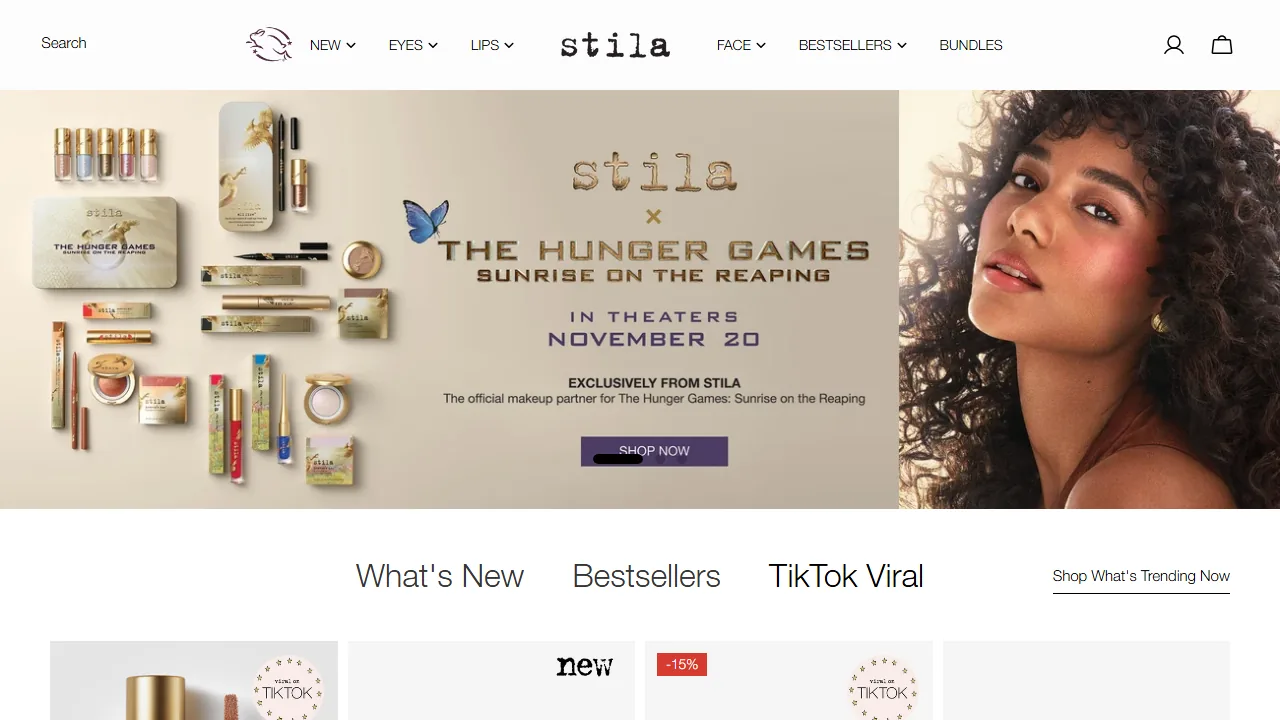
Stila is known worldwide for the Shimmer and Glow liquid eyeshadow. The brand carries the longest cookie window on this list at 60 days, which makes it a strong fit for tutorial content and GRWM videos that get discovered weeks after upload.
Verdict: The 60-day cookie is Stila’s biggest differentiator, and pairing it with a tutorial-heavy content plan is how creators maximize compounded earnings from the program.
9. Glossier
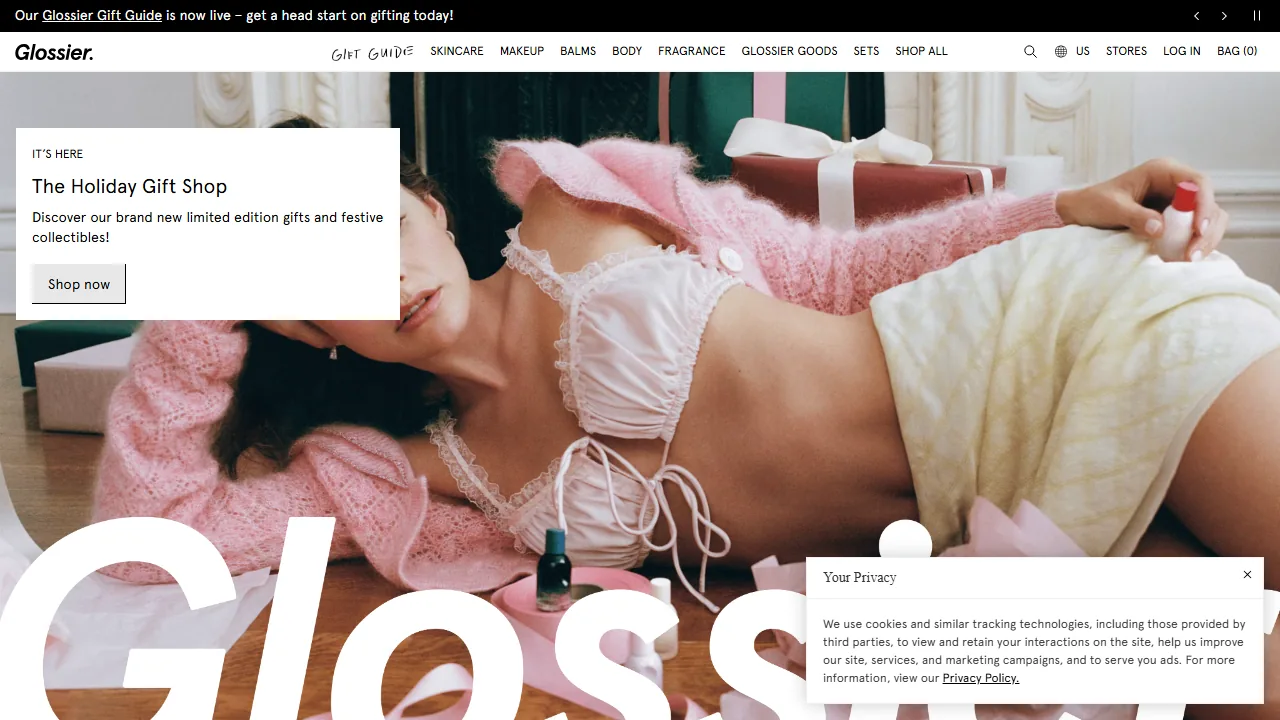
Glossier has pivoted away from the pure DTC model but still owns the “no-makeup makeup” audience. The program pays a 10 percent commission and includes event invites and product preview sneak peeks for active affiliates. It runs through Impact.
Verdict: A flat 10 percent rate on a brand with this much brand loyalty is a quiet win, and Glossier fits best with creators whose aesthetic already skews minimal and glowy.
10. NYX Professional Makeup
NYX is an L’Oréal-owned drugstore brand with a surprisingly deep professional range. The Butter Gloss, Lift and Snatch brow pen, and Jumbo Eye Pencil are long-time creator favorites. The rate varies by product category, so high-performing SKUs can earn closer to the 8 percent ceiling.
Verdict: NYX pays a mid-range commission, but it has strong product-market fit for creators whose content leans into bold-color looks and editorial-style photography.
11. Fenty Beauty
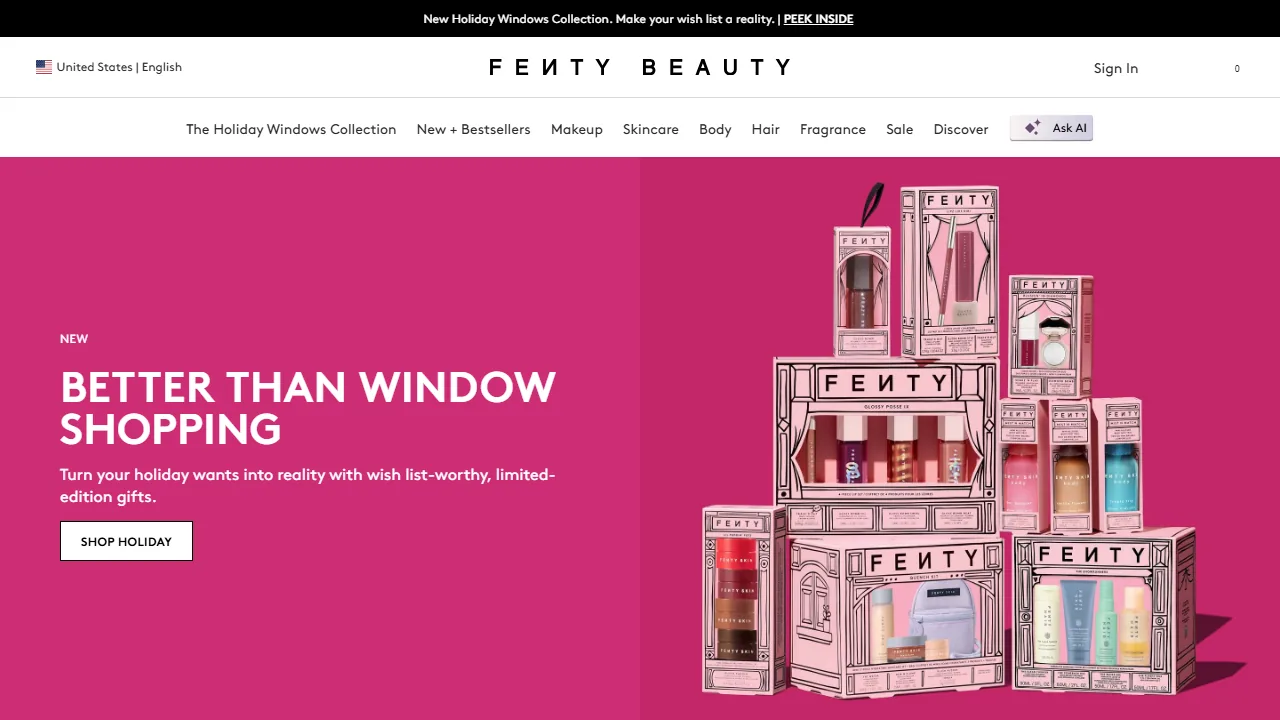
Fenty is Rihanna’s brand, and it effectively invented the 50-shade foundation industry. The commission is modest, but Fenty’s cultural pull means affiliate links drive sales even with less-than-optimal content around them.
Verdict: Fenty pays a lower rate than most peers at 5 percent, but the brand recognition carries conversions better than almost any other program on this list.
Marketplace Makeup Affiliate Programs
Multi-brand retailers that let you link to any makeup product on their site. Perfect for creators who review across brands or run “haul” style content.
12. Sephora
Sephora is the default link destination for most beauty creators. The rate ranges from 5 to 10 percent depending on category, but the 24-hour cookie is brutally short, so only buyers who click and purchase within the day are tracked back to you.
Verdict: The low cookie limits the compounding effect of your content, but the brand variety and conversion rate on the Sephora site make up for it on high-traffic articles and videos.
13. Ulta Beauty
Ulta pays the lowest commission on this list, but the retailer carries almost every makeup brand a US audience shops, which drives order volume up. The program runs through Impact.
Verdict: Ulta is only worth promoting if you drive consistent high-volume traffic, and smaller creators are better off skipping it until their monthly reach grows.
14. Beautylish
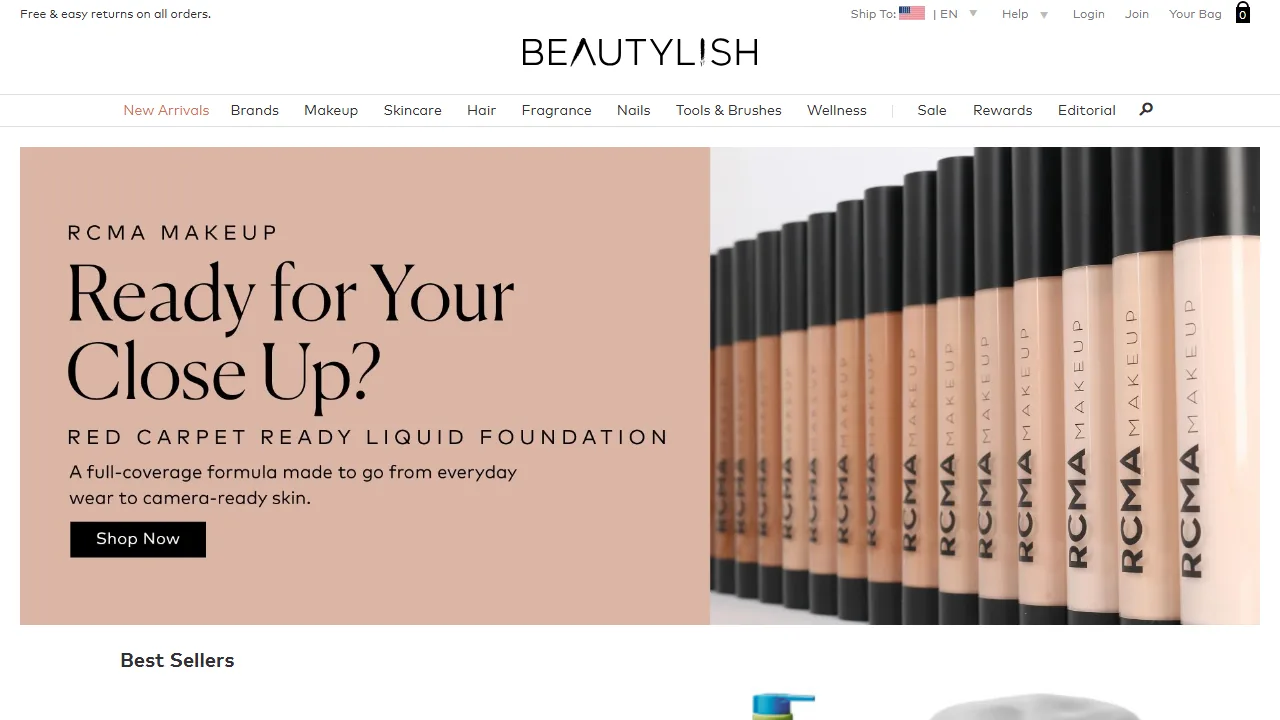
Beautylish is a curated indie and prestige retailer that stocks hard-to-find brands like Pat McGrath Labs, Natasha Denona, and Danessa Myricks. The 6 percent rate is solid for the price point, and audiences who shop Beautylish are committed, high-intent buyers.
Verdict: Beautylish has a small cookie window but a high average order value, which makes it a perfect fit for creators whose audience is deep into pigment-heavy, pro-tier makeup.
15. Beauty Bay (UK/EU)
Beauty Bay is the British Sephora equivalent. The retailer stocks drugstore and prestige brands side by side with a strong focus on indie and viral labels. It is a great option if your audience sits in the UK or Europe, though US creators should default to Sephora or Ulta instead.
Verdict: Beauty Bay is underrated outside the UK, and if your traffic is 30 percent or more European it converts better than most US-anchored programs on this list.
How to Pick a Makeup Affiliate Program
Commission rate is one factor out of five. The other four decide whether that commission ever lands in your account.
- Audience fit. A 15 percent rate on Tarte converts zero if your audience is drugstore-only. Match the brand price point to what your content actually sells.
- Cookie window. 7-day cookies suit live and TikTok content. 30 to 60-day cookies suit tutorials, GRWM, and YouTube reviews that get rewatched.
- Average order value. A 5 percent commission on a $120 Charlotte Tilbury order is $6. A 12 percent commission on a $9 Milani lipstick is $1. Both matter; neither is better in isolation.
- Approval friction. Prestige programs often require a working beauty blog or 10K+ followers. Drugstore brands and marketplaces approve almost everyone.
- Payout threshold. Most makeup programs require $50 to $100 earned before they pay out. Low-traffic creators who stack 5 programs waste months hitting multiple small thresholds.
How to Actually Earn From Makeup Affiliate Programs
Having the links is step one. Converting the traffic is where most creators stall. These are the four content formats that convert makeup affiliate traffic in 2026.
GRWM and Tutorial Videos
The highest-converting format in makeup content. Every product you use goes in the description with an affiliate link. YouTube long-form, Reels, and TikTok all work. Audiences who finish a tutorial are primed to buy.
Side-by-Side Swatch and Comparison Posts
Swatch posts (lipsticks, blushes, eyeshadows) convert well on Instagram carousels and Pinterest. Pinterest in particular drives the longest-tail makeup traffic. If Pinterest is new to you, pin styles and board setups that work for Pinterest affiliate marketing are documented in detail.
Dupe Content
“$8 Milani dupe for $38 Charlotte Tilbury” is one of the most saved formats across TikTok and Instagram. Pair the drugstore and prestige affiliate links in the same post and earn from both.
Bio-Link Beauty Storefront
A single link in bio that routes to a curated storefront of your favorite makeup products. Browsers tap through, find products you already recommended, and convert without hunting through old posts. 120 copy-paste templates for Instagram affiliate marketing bios cover the one-line pitch that drives the clicks.
Build Your Makeup Storefront on brandID in 30 Seconds
Every makeup affiliate program on this list drops you one link at a time. Someone has to click, land somewhere, and buy. That somewhere is almost always a link-in-bio page that curates your top picks across all 15 programs.
Open brandID, hit Build with AI, type something like “a makeup storefront with my Tarte, Milani, and Charlotte Tilbury affiliate picks, grouped by lip, eye, and face categories”, and the whole page builds itself. Hero section, product grid, category filters, custom URL at brandid.app/yourname. All free.
If you use Claude, brandID has an official MCP connector. Tell Claude “add my top 10 Tarte affiliate links to my brandID beauty storefront, grouped by lip and eye” and Claude edits the page directly through the MCP. No clicking around.
One brandID page can host your Tarte links, your Charlotte Tilbury dupes, your e.l.f. drugstore picks, and your Sephora storefront simultaneously. Instead of juggling four separate affiliate URLs across TikTok, Instagram, and Pinterest, your bio points to one page that does the sorting.
Bottom Line
The best makeup affiliate programs in 2026 pay 8 to 15 percent on prestige brands, 2 to 12 percent on drugstore and marketplace retailers, and the right pick for YOU depends on which price tier your audience actually shops. Tarte and Milani lead on commission. Stila wins on cookie length. Sephora wins on brand variety but kills you on the 24-hour window.
Pick two programs (one prestige, one drugstore), build a short storefront around them, and run them for 90 days. Scale what converts, cut what does not. If your audience is also into skincare, haircare, or fragrance, the wider beauty list is a natural second read.
FAQs
What is the highest paying makeup affiliate program in 2026?
Can beginners join makeup affiliate programs with no followers?
What is a makeup affiliate program?
Which makeup affiliate program has the longest cookie window?
Do I need a beauty blog to join makeup affiliate programs?
How much can a beginner make from makeup affiliate programs?
What is the difference between makeup and beauty affiliate programs?
Which network hosts most makeup affiliate programs?
How do I promote makeup affiliate products on Instagram?
Is cosmetics affiliate marketing worth it in 2026?
 Summarize this article with: